

Igniting Discovery: APLU Hosts Hill Event to Showcase Member Contributions to NASA Science
When NASA astronauts successfully completed the Artemis II mission and set the record for the greatest distance humans have traveled in space, they captured the globe’s attention and reignited national excitement about space exploration.
Major scientific milestones like this are built on years of fundamental research, much of which is conducted at public and land-grant universities in partnership with NASA’s Science Mission Directorate. Last week, APLU co-hosted an event on Capitol Hill showcasing the extraordinary work of NASA Science-supported researchers from across the country. Igniting Discovery: How NASA Funding Advances American Science provided exhibitors with the opportunity to demonstrate the breadth and ambition of NASA-funded science for policymakers and advocates who were in attendance. Twelve APLU member institutions participated as exhibitors in the showcase. A comprehensive summary of their projects is available in the event booklet.
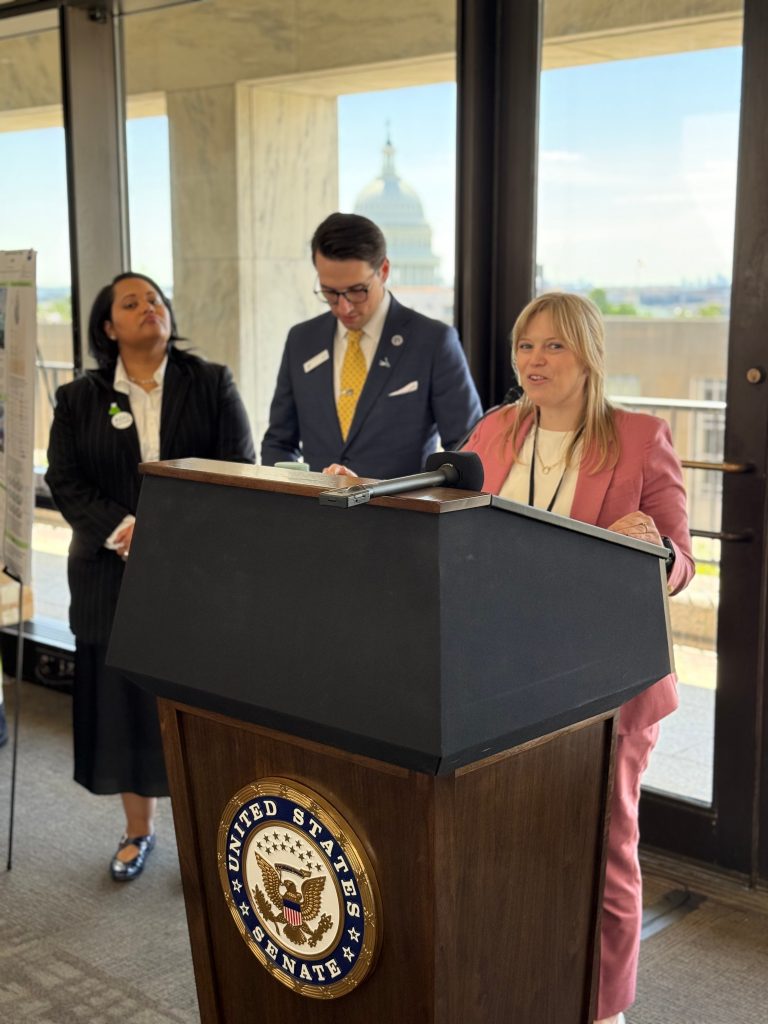
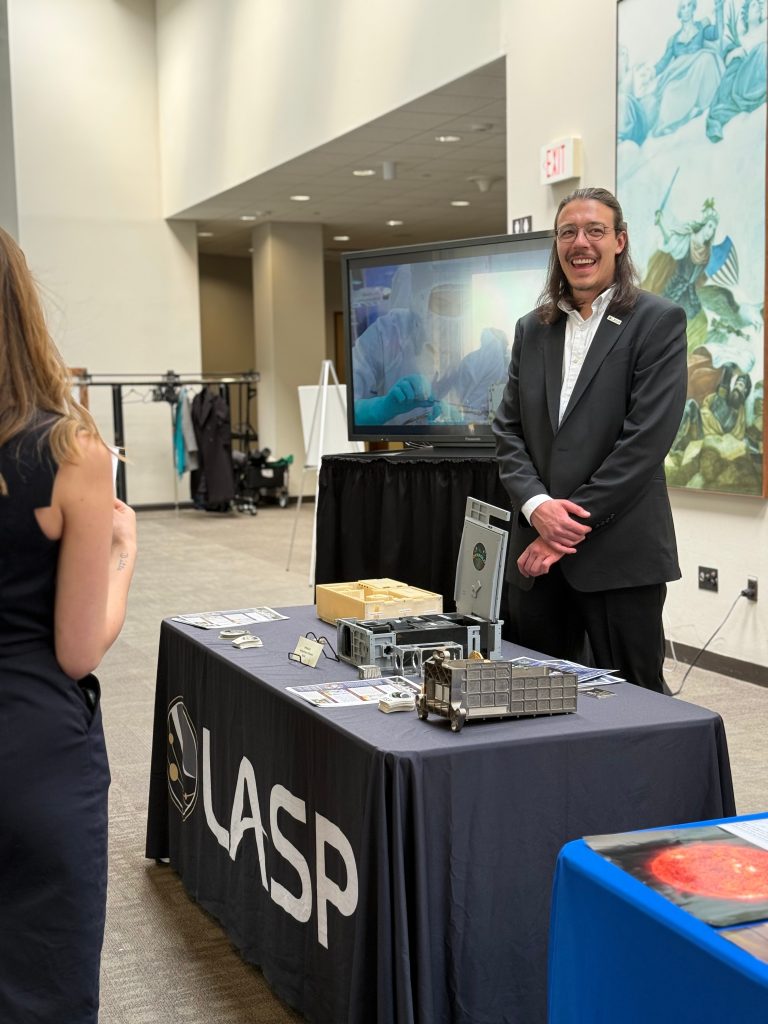
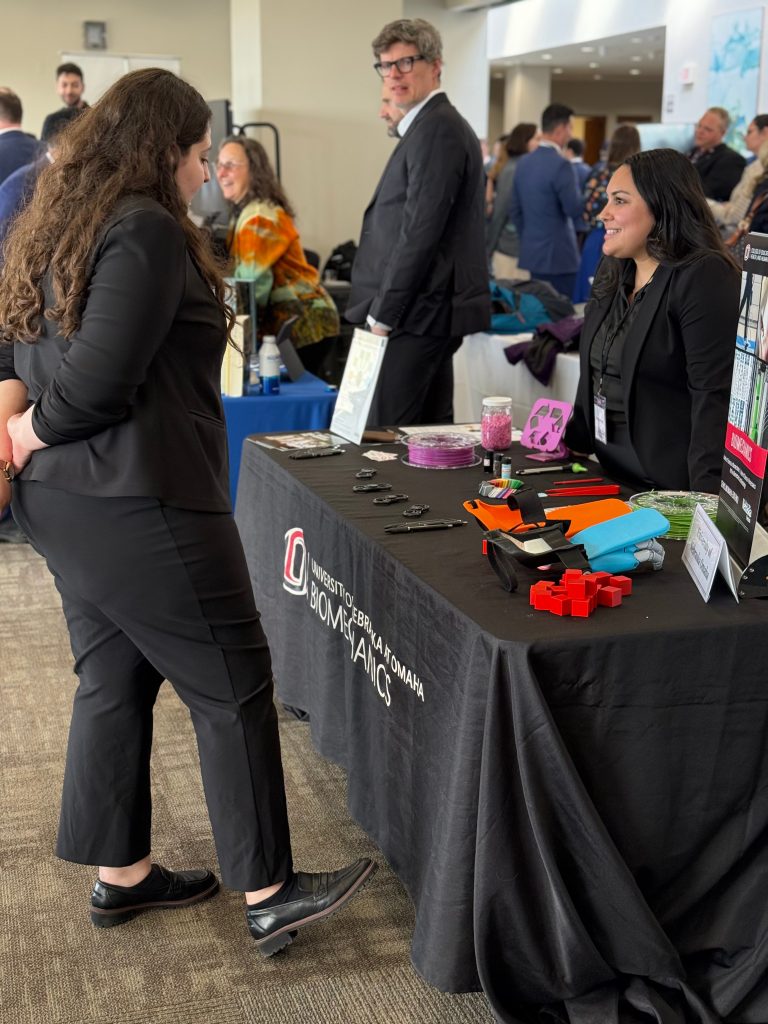
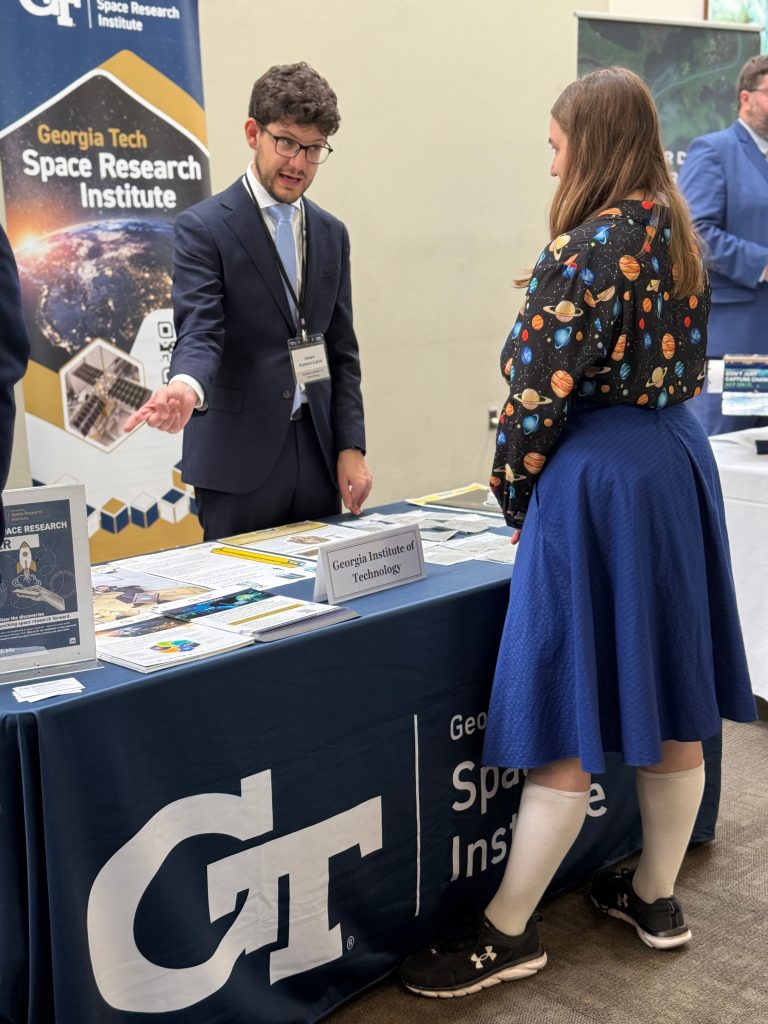
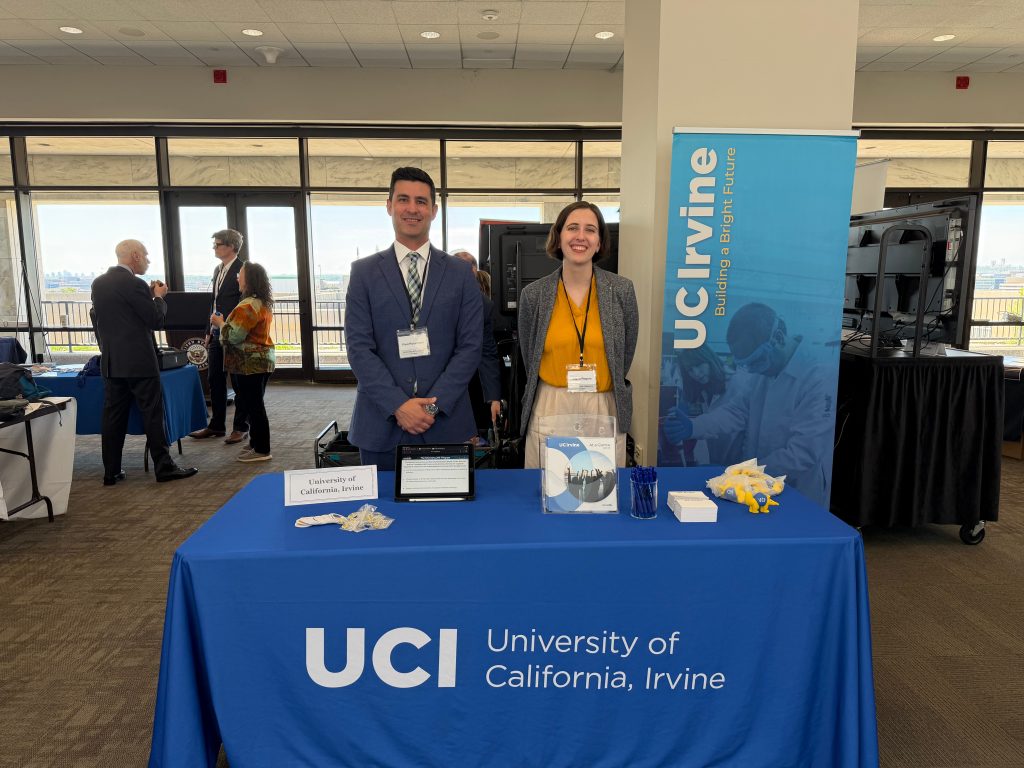
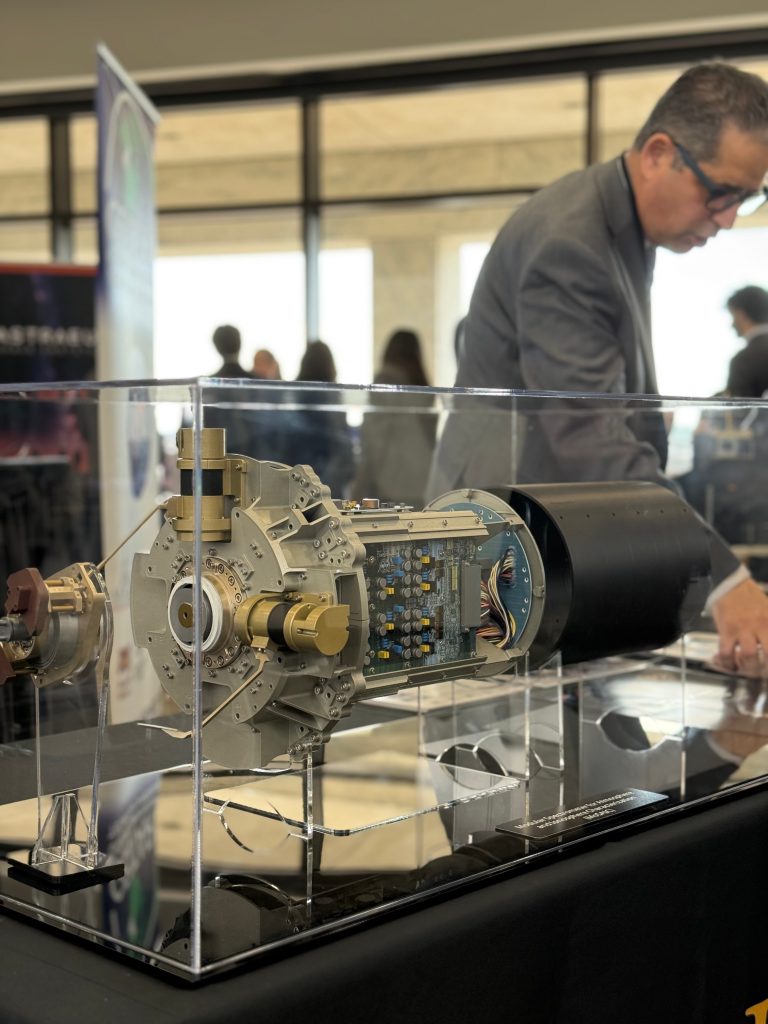
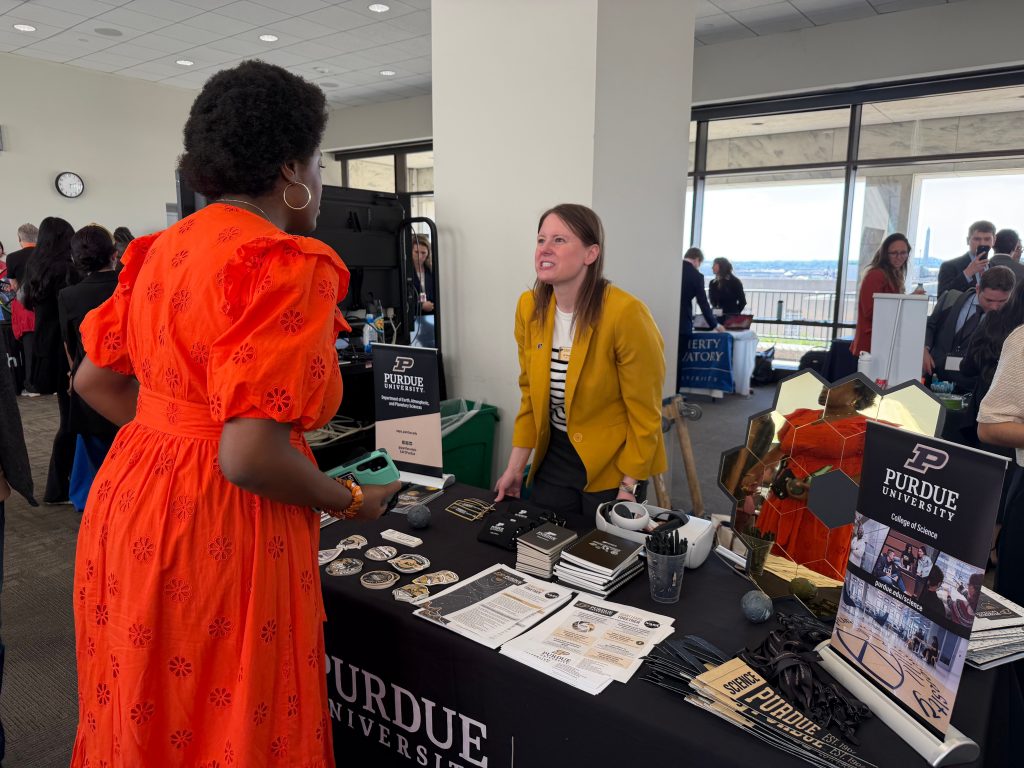
The showcase was hosted in partnership with the Association of American Universities, the Planetary Society, the American Astronomical Society, and the American Geophysical Union, with support from U.S. Senator John Hickenlooper (D-CO).
Scientists from Purdue University shared the pivotal role their research and workforce development efforts play in American space exploration. Known as the “Cradle of Astronauts,” one-third of all crewed U.S. space flights have had a Purdue graduate aboard.
What might happen if those astronauts were to get sick or injured on a long mission? The University of Nebraska at Omaha showcased a 3D printer they developed to produce critical medical devices in space on demand. This innovative process uses special plastics that would allow astronauts to reuse surgical tools if needed while preventing the growth of harmful bacteria. This work is critical to keeping U.S. astronauts healthy and safe and missions on track.
As some institutions demonstrated efforts to prepare astronauts for launch into space, others showcased attempts to observe parts of the universe we can’t quite reach yet. Researchers from the University of California, Irvine shared their groundbreaking instrumental and data analysis techniques to detect minuscule signals from small, Earth-like exoplanets orbiting the nearest stars in the galaxy. As the team identifies planets, NASA will use next-generation telescopes to search for signs of life.
Closer to home, researchers at the University of Colorado, Boulder are studying atmospheric gravity waves to help us better understand how space weather can affect us here on earth. Their research has potential to predict and possibly prevent the implications of disruptive events, which can range from impacting navigation communication to destroying GPS and other satellites.
For decades, NASA research has advanced our understanding of the universe, driven innovation that fuels economic growth, and bolstered U.S. national security. Yet the FY27 President’s Budget Request proposed cutting funding for the NASA Science Directorate by 46%.
APLU is urging Congress to instead appropriate $9 billion for the Science Mission Directorate in FY27 to ensure NASA is first in science and first in space. As the U.S. faces increasing global competition, maintaining American leadership in this arena requires sustained investment in the research that has always set us apart. It’s what led to the innovations showcased on Capitol Hill last week and it’s what will enable the next generation of space explorations and endeavors.
Thank you to the APLU member institutions that participated:
Arizona State University
Boise State University
Colorado University, Boulder
Georgia Institute of Technology
Purdue University
University of California, Irvine
University of California, Los Angeles
University of Central Florida
University of Florida
University of Maryland, Baltimore County
University of Nebraska at Omaha
West Virginia University
- Uncategorized
Stay Connected
X (formerly Twitter)
Facebook
YouTube
LinkedIn
RSS