
2026 IEP Designee – University of North Dakota
From partnerships to possibility: How UND creates a tipping point for North Dakota’s economic future
Authors:
- Cortnee Jensen, Executive Director, Economic Development, Division of Research and Economic Development, University of North Dakota
- Scott Snyder, VP Research and Economic Development, University of North Dakota
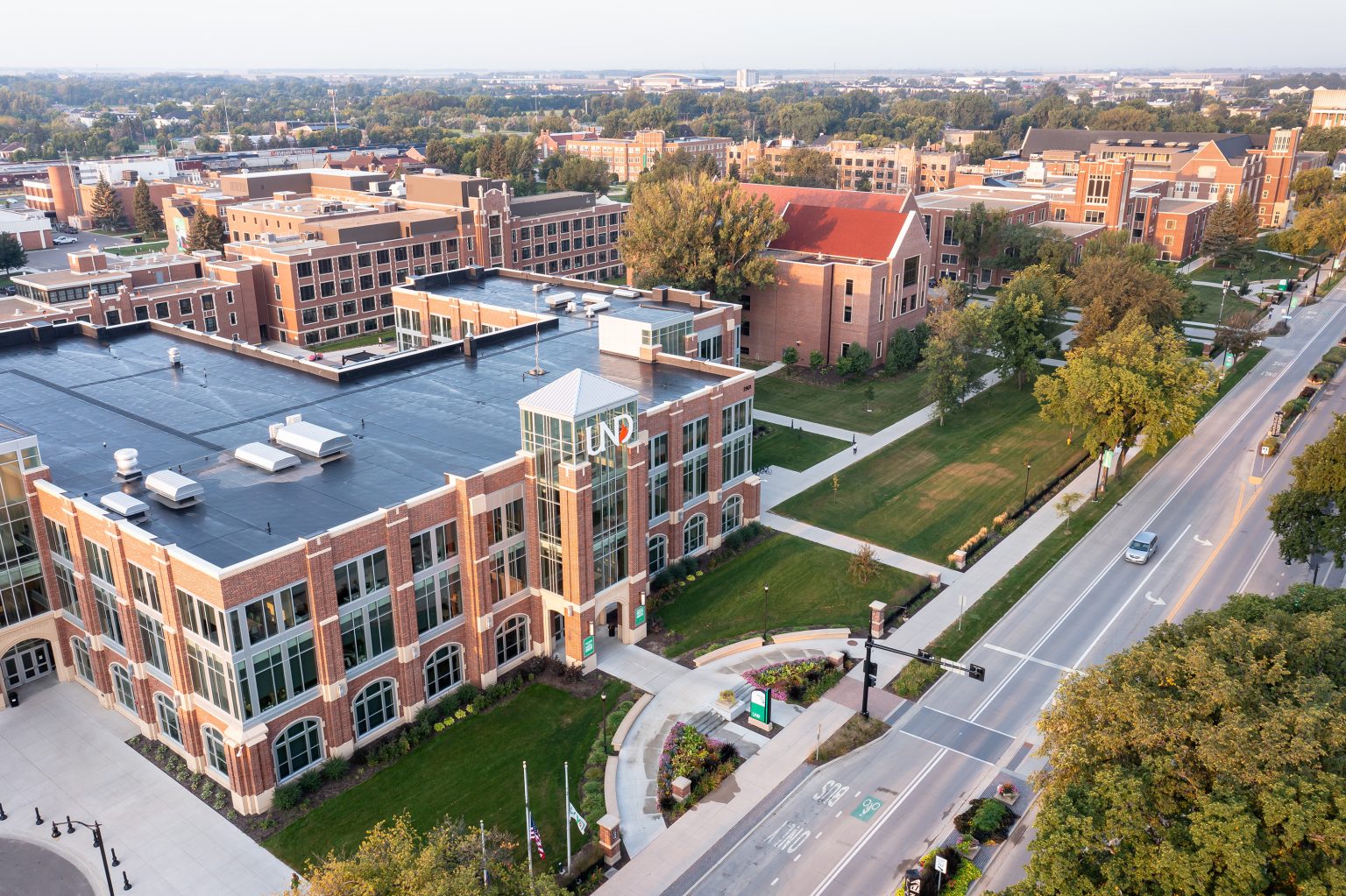 Courtesy of the University of North Dakota
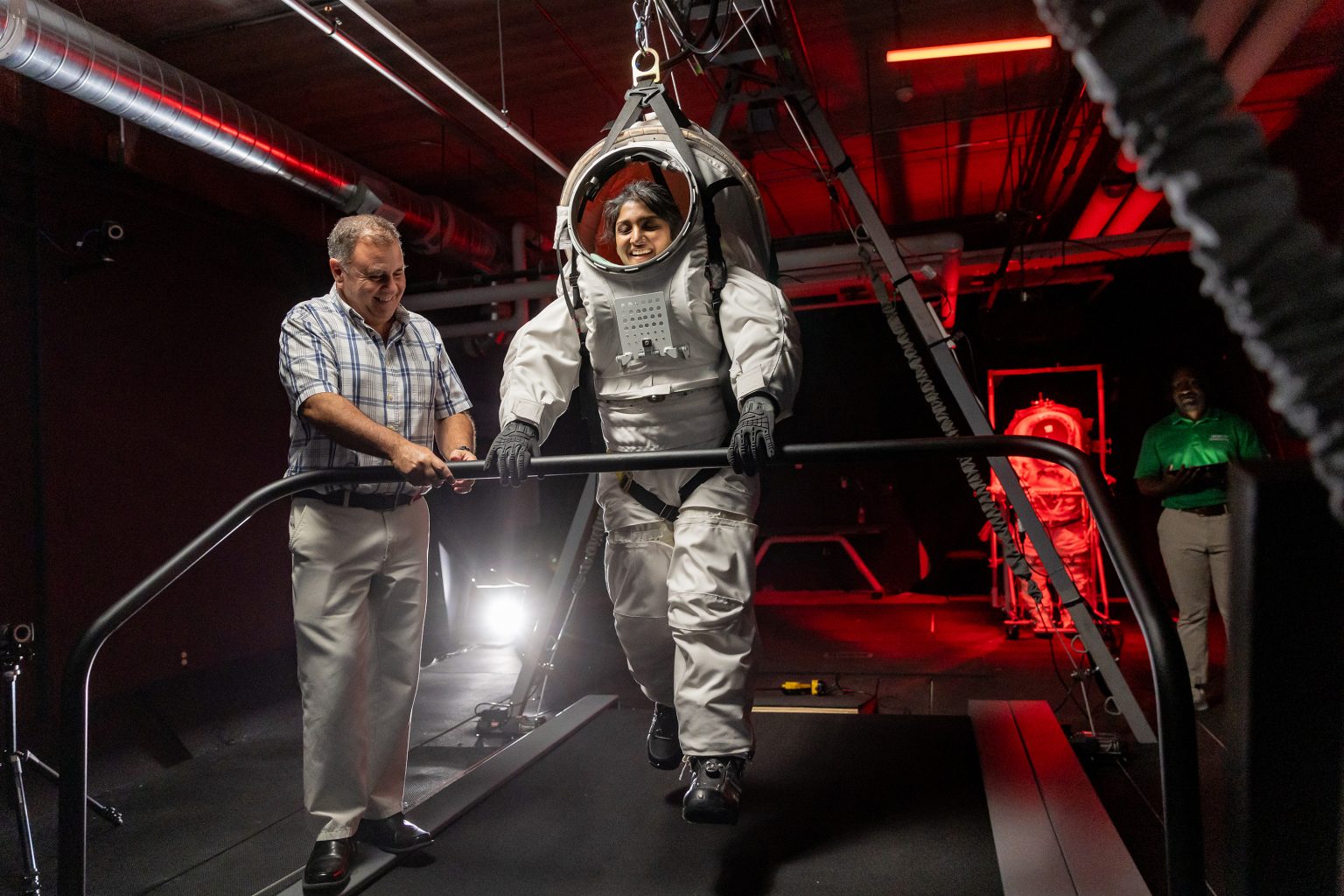 Courtesy of the University of North Dakota
The tipping point doesn’t announce itself. It builds quietly, then all at once.
At the University of North Dakota, that moment has taken shape through a deliberate focus on talent, innovation, and place, “TIP” if you will, aligning the university’s strengths with the evolving needs of North Dakota’s communities and economy.
For institutions pursuing the APLU’s Innovation & Economic Prosperity designation, especially in a rural state, the question isn’t whether universities create value; it’s whether communities can clearly see, feel, and benefit from it. At UND, the answer has been to make value visible and shared.
Start with what matters most to your community
Under President Andrew Armacost, UND has centered its strategy on a simple but demanding idea: align university strengths with real-world needs. The “Service” core value in the UND LEADS strategic plan pledges that UND will “engage in collaborations that serve the evolving needs of our people, tribal nations, the state of North Dakota, and our global community.”
That commitment shows up in solutions across the state. Some examples:
- Expanding rural healthcare access: The Gero-STARR program is growing North Dakota’s nursing workforce, where shortages are most acute: among older adults in rural communities.
- Strengthening mental health systems: UND is training school counselors and mental health professionals specifically to serve Indigenous and rural populations, addressing gaps that directly affect student success and community wellbeing.
- Keeping educators in their communities: The Aspiring Principals Pipeline lets working teachers earn leadership credentials without leaving their schools. The results: nearly every member of the inaugural cohort graduated into K-12 leadership roles in North Dakota.
Importantly, these initiatives were co-designed with the communities they serve. This helps ensure that the communities realize the benefits, with UND’s role being to help and to guide.
Build structures using talent to make collaboration routine
Unlike one-off partnerships, sustainable collaborations require infrastructure. At UND, that infrastructure has taken shape in multiple forms:
- Using a modest seed funding model, UND CONNECT sends faculty and students into North Dakota communities to co-develop, with civic partners, solutions tied to quality of life.
- Coordination of applied business and community development through our Center for Business Engagement & Development and the North Dakota Small Business Development Center’s network has contributed billions in economic impact within the state.
- Extensive work-integrated learning and internship efforts through our Experiential Learning Center embed students directly into local government, industry, and nonprofits, strengthening both workforce pipelines and community capacity, leading to a 48 percent increase in the number of young people choosing to live and work in the region after graduating from UND.
Use innovation to achieve success through shared outcomes
Economic engagement becomes transformational when innovation is applied to solve problems and fill critical needs.
- Over two decades of leading-edge research and education on Uncrewed Aerial Systems (UAS, or drones) at UND has formed the nucleus of a thriving regional UAS industry that includes companies large and small, a federally recognized UAS test site, and a unique public private partnership with Grand Forks Air Force Base and the North Dakota Air National Guard that supports the development and testing of UAS and counter-UAS technologies.
- The university is rapidly emerging as a leader in research, development, and testing of cutting-edge technologies in support of national security and space, with two satellites currently orbiting the Earth and preparing to conduct a first-ever docking experiment.
- Collaborations with organizations such as the FAA, NASA, the Department of Defense, and private-sector companies have created scalable innovation ecosystems.
- Our Center for Innovation is gaining recognition for accelerated start-ups, empowering entrepreneurs through UND signature programs like Runway and Launch, and for bridging research to market.
Let recognition reinforce, not define, the work
The university’s selection as an IEP-designated institution by APLU builds on a series of recognitions, including the International Town & Gown Association’s Larry Abernathy Award for outstanding town-gown relations and national honors for supporting military-affiliated students and families.
But at UND, these awards amplify our work, not substitute for it. “Economic engagement is not a single initiative at UND, but a web of connected actions that bring us together with industry partners and communities,” said Armacost. “This validates the progress we’ve made while also pushing us to go further.”
Service in action: A model for impact focused on TIP
For universities considering or pursuing the IEP designation, the lessons from UND are clear:
- Start with real community needs, even if they seem small.
- Build innovative systems that make collaboration the norm, not the exception.
- Define success in terms that matter to your partners.
- And most important, ensure your value is not only created but also seen, understood, and shared.
Because economic transformation doesn’t hinge on a single project or moment. It happens when talent is developed and retained, when innovation is applied to real-world challenges, and when institutions commit to the places they serve.
At UND, our work is anchored in a commitment to service. The IEP designation strengthens that foundation, helping turn momentum into lasting impact for North Dakota’s economic future.
Authors:
Cortnee Jensen, Executive Director, Economic Development, Division of Research and Economic Development, University of North Dakota
Scott Snyder, VP Research and Economic Development, University of North Dakota
 Cortnee Jensen, Executive Director, Economic Development, Division of Research and Economic Development, University of North Dakota
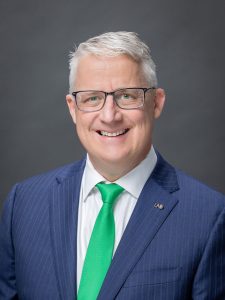 Scott Snyder, VP Research and Economic Development, University of North Dakota
- Commission on Economic & Community Engagement
- IEP
Stay Connected
X (formerly Twitter)
Facebook
YouTube
LinkedIn
RSS