
APLU 2026 Council and Commission Meeting Highlights
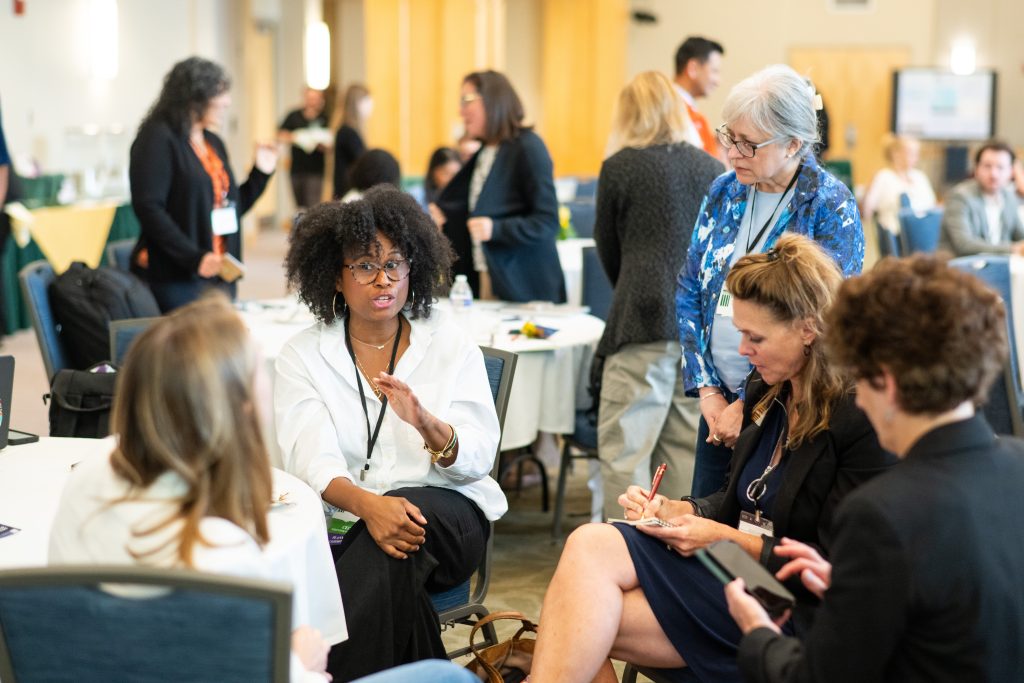
APLU council and commissions recently completed their summer meetings. APLU councils convene university leaders with comparable titles, working in similar positions, to address critical issues and expand their knowledge base within their professional area of expertise. APLU commissions convene individuals, regardless of position and from multiple disciplines across the universities, to address critical issues and expand their knowledge base in areas of common interest. The councils and commissions’ summer meetings provide a forum for discussing issues they’re dealing with on campus. Learn more about highlights from the summer meetings below. View a collage of photos from the meetings at the end of the post.
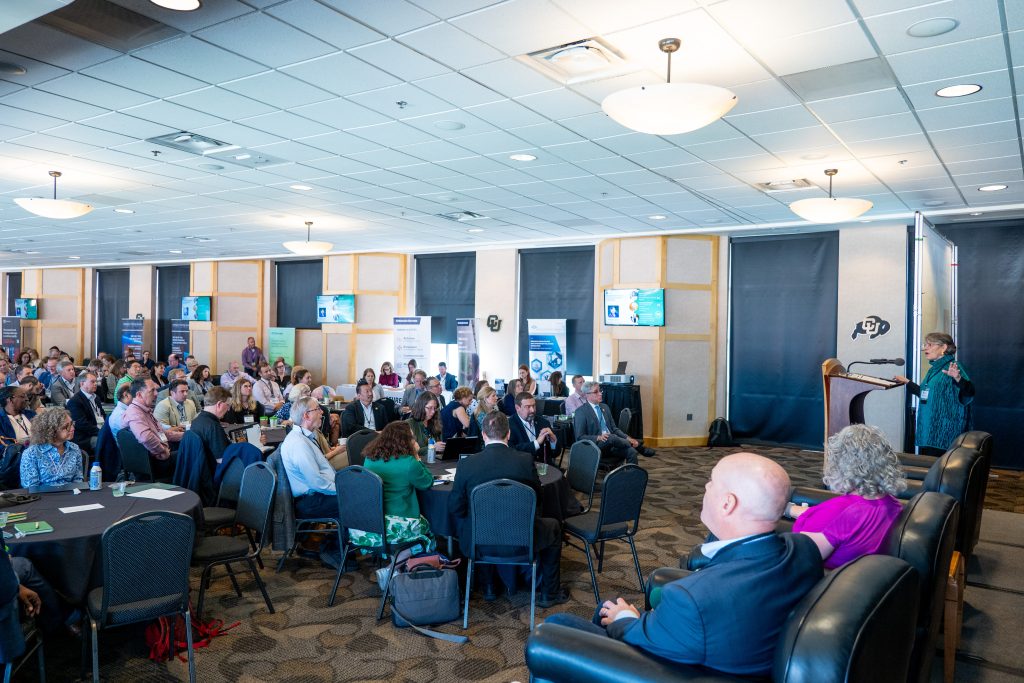
The Committee on Faculty Affairs (CFA) hosted faculty affairs leaders from June 3-5 at the University of Colorado Denver for its Annual Faculty Affairs Retreat (AFAR). This year’s pre-conference program brought together CFA’s most senior leaders for a focused workshop centered on leadership development and professional skill-building. Formal programming featured presenters and sessions covering topics ranging from promotion and tenure to faculty support, community building, and strategies for effective communication. AFAR also provided several opportunities for networking, peer learning, and community building.
The Council on Research (COR), June 21-24, was co-hosted by the University of Colorado Boulder and Colorado State University. The meeting included COR’s annual New and Aspiring Senior Research Officers pre-meeting workshop and a post-meeting workshop on research security sponsored by the NSF-SECURE Center. The opening session featured host campus and APLU leadership marking the nation’s 250th anniversary and the mission of public research universities. Additional sessions covered federal agency partnerships, humanities and social science research, cybersecurity, AI, and interactive discussions on the Office of Management and Budget’s proposal to revise uniform guidance and hot topic roundtables to promote networking. The meeting also included an excursion to the Department of Energy’s National Laboratory of the Rockies, touring its state-of-the-art facilities where researchers work with industry and academic partners to address energy challenges.
The Coalition of Urban Serving Universities (USU) hosted its summer meeting on June 16, 2026, at the in Washington, DC in association with the APLU Council of Presidents summer convening. The convening brought together USU member presidents and chancellors, members of the USU Advisory Council, key strategic partners, city leaders, and sponsors to discuss issues of importance to public research universities in major metropolitan areas. Session topics included shaping the future of urban life through workforce, housing, and health partnerships; serving as leaders and anchor institutions in urban ecosystems; and collaborations between city and campus leaders to address shared goals such as student success, workforce preparation and pipelines, civic engagement, economic development, and public health. The event concluded with the “State of the Coalition” address from the current Chair of the USU Directorate Board highlighting the accomplishments of USU members and the agenda for urban-serving universities in higher education today.
The Council on Student Affairs (CSA) hosted its annual Summer Forum June 22-24 in Newport Beach and Irvine, CA. The Forum brought together senior student affairs officers to discuss critical issues shaping the student experience. Pre-meeting programming included an HBCU roundtable with focused conversations on the needs of HBCUs, as well as a half-day program for the second class of CSA Fellows. The meeting opened with a State of Student Affairs session featuring a sneak peek at the 2026 Portfolio Dashboard and remarks from APLU President Waded Cruzado on the role of student affairs on campuses. Other sessions during the Forum addressed students’ basic needs, the implications of AI for student affairs, and presentations from the University of California National Center for Free Speech and Civic Engagement.
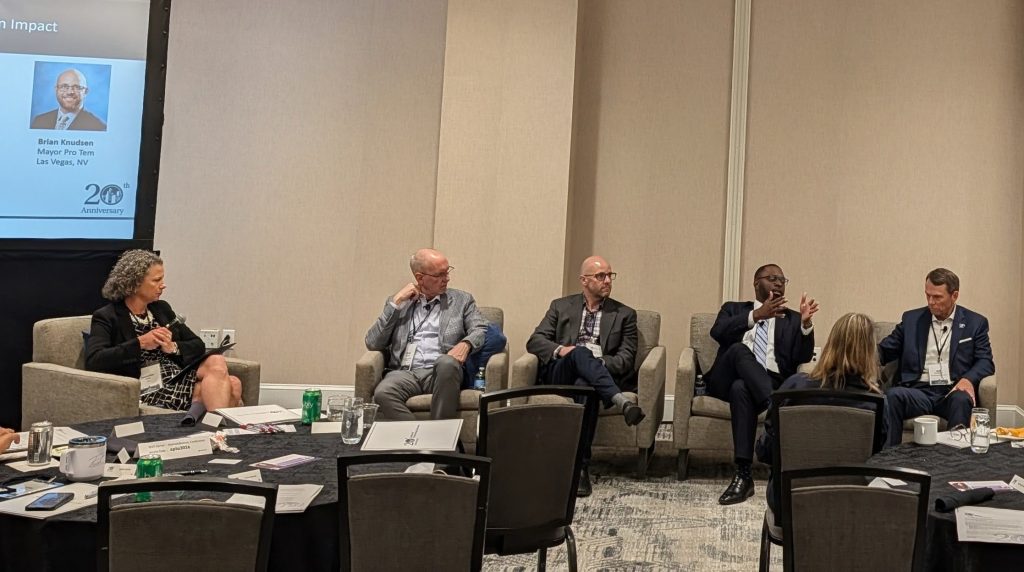
Commission on Economic and Community Engagement (CECE), June 28-30, at the University of Vermont in Burlington, VT. The meeting brought together participants including university presidents, provosts, senior research officers, and community and economic engagement officers. The Summer Meeting was focused on how universities strengthen communities, support innovation, and expand economic opportunities in their states and regions. Highlights included a presidential perspectives panel on the role of university leadership in strengthening communities and driving economic impact, a plenary session on the Public Purpose, Renewed report examining institution-wide strategies for community and economic engagement, and experiential tours highlighting innovation, bioscience, and sustainable food, farm, and water initiatives. Several outside organizations participated in sessions bringing unique perspectives on community and economic engagement. These included: The Association of University Research Parks, Jobs for the Future, Venturewell, Fierce Outcomes, and PTIE: Promotion and Tenure – Innovation & Entrepreneurship.
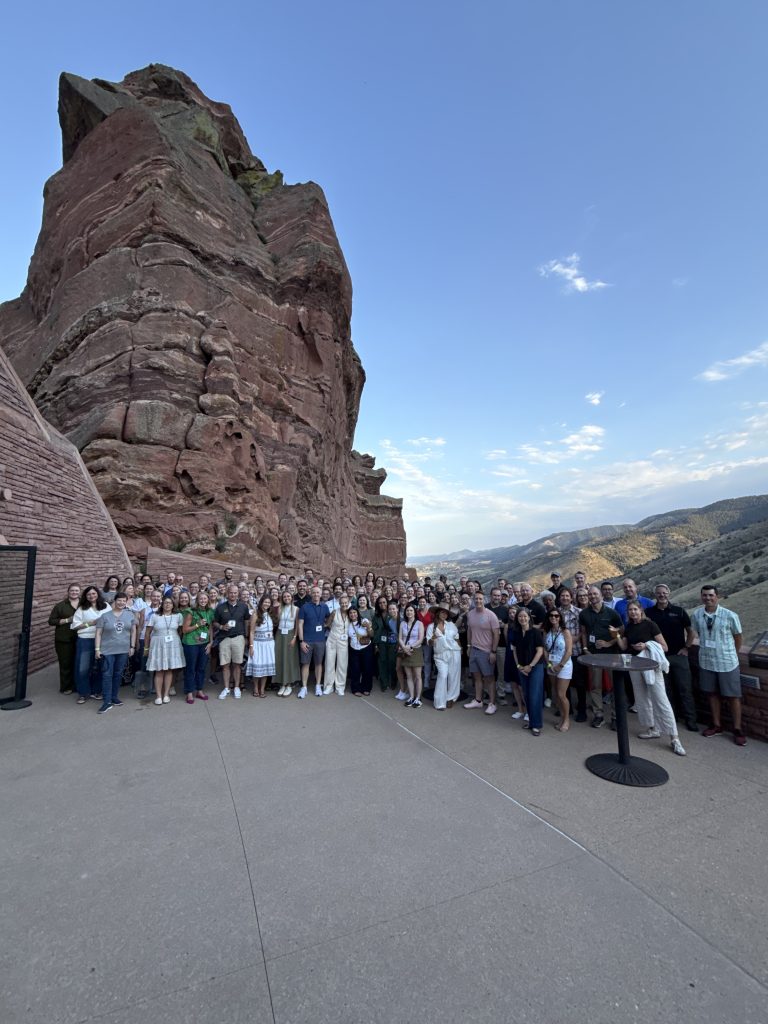
Council on Strategic Communications (CSC), July 12-14, in Denver, CO. The CSC held sessions on maximizing AI in university marketing and communications, search optimization in the AI era, campus email strategy that cuts through the noise, a workshop on brand listening, and communicating the value of higher education beyond degrees and debt. The meeting also featured a panel of Colorado university presidents and chancellors in candid conversation offering leadership insights on marketing and communications. The meeting was held at the CSU Spur in Denver, Colorado and a session at University of Colorado Boulder.
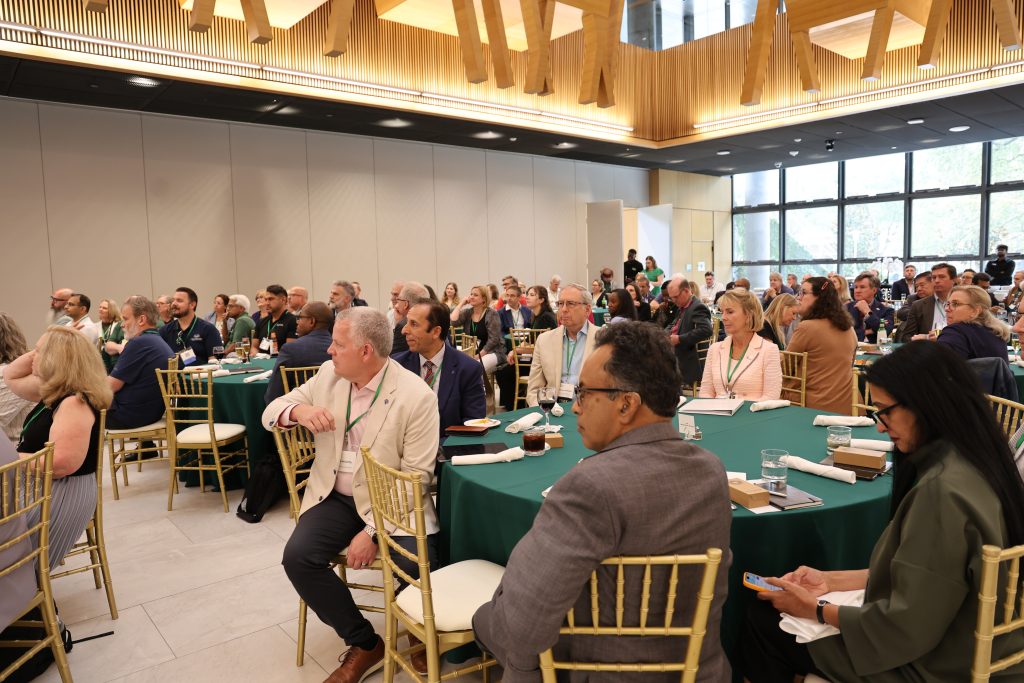
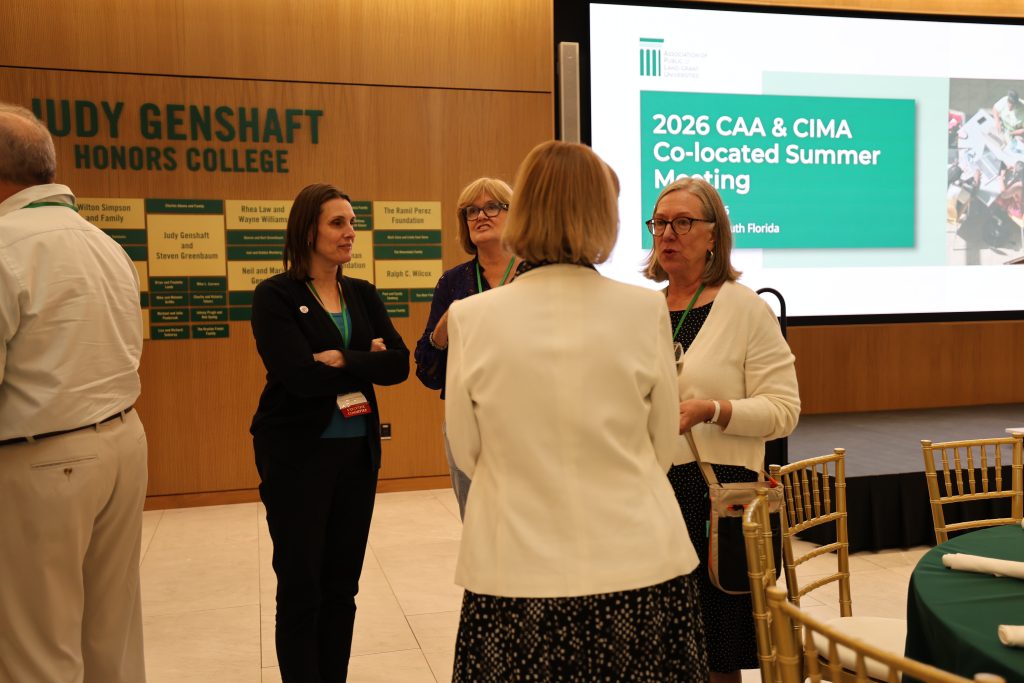
The Council on Academic Affairs (CAA) hosted its annual Summer Meeting from July 12–14, co-locating with the Commission on Information, Measurement, and Analysis (CIMA) at the University of South Florida in Tampa. This year’s meeting brought together provosts from across the country and was CAA’s largest summer convening since 2020. The meeting opened with the New Provosts Workshop focused on navigating the transition to the provost role. Joint programming with CIMA included a welcome dinner from USF, CAA, and CIMA leadership, followed by sessions on student success, accreditation, and APLU’s AI Use-Case Repository. CAA-only programming focused on academic leadership development pathways and professional development. The meeting concluded with a business meeting featuring two rounds of hot-topic conversations, providing members an opportunity to discuss emerging challenges and priorities facing academic affairs leaders.
Commission on Information, Measurement, and Analysis (CIMA), co-located with the Council on Academic Affairs (CAA) and was hosted by the University of South Florida, July 12-14, in Tampa, Florida. Sessions this year explored how institutions are approaching artificial intelligence, including how large language models can be embedded in institutional dashboards to improve data literacy. Presenters from Florida Atlantic, University of Rhode Island, and University of Washington Tacoma shared cross-unit collaboration models for turning Key Performance Indicators into coordinated action, while the University of Iowa and Florida State University offered practical strategies for closing the gap between data governance and data literacy. Other sessions focused on changing accreditation and collaborative program prioritization.
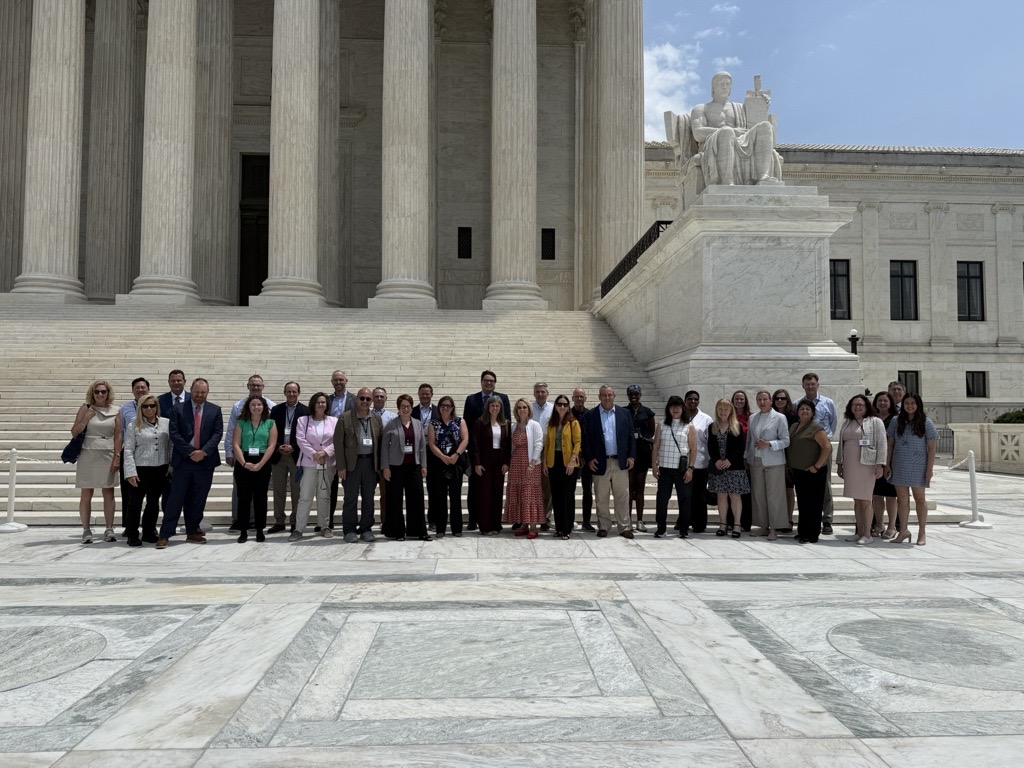
Council on Legal Affairs (CLA), July 20-21, in Washington DC. The inaugural CLA Summer Meeting featured speakers from Capitol Hill, the National Science Foundation, the National Association of Attorneys General, and a Supreme Court journalist. The meeting gave time for institutions’ senior-most legal affairs officers to engage in internal discussions on pressing issues, including research, managing evolving federal expectations, campus policies on AI, and athletics. The meeting concluded with a private tour of the U.S. Supreme Court.
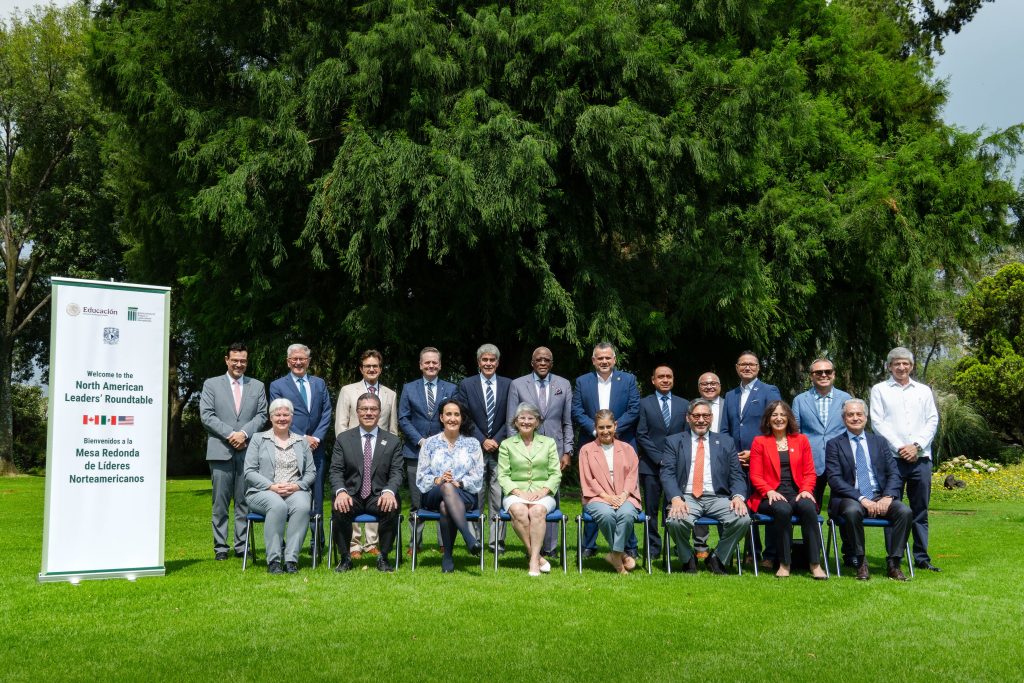
Commission on International Initiatives (CII), August 2-4, hosted by Universidad Nacional Autónoma de México (UNAM) in Mexico City, Mexico. The CII had its largest Summer Meeting with participants representing member institutions across North America. The two-day meeting took advantage of its location with sessions on understanding the Mexican higher education landscape and research collaboration. Other sessions focused on transnational education (TNE), artificial intelligence in the North American workforce, and two presidential panels involving nine university presidents to gain their perspective on the importance of global engagement. A second event was also organized, bringing together 14 university and association presidents from across Mexico, Canada, and the United States to discuss strengthening higher education cooperation across North America.
- Uncategorized
Stay Connected
X (formerly Twitter)
Facebook
YouTube
LinkedIn
RSS