Learn More
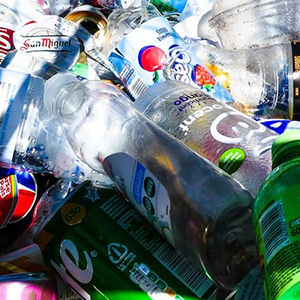

In a mouse study conducted by a team led by a biomedical scientist at the University of California, Riverside, the researchers found a phthalate — a chemical used to make plastics more durable — led to increased plasma cholesterol levels.
Learn More
Learn More
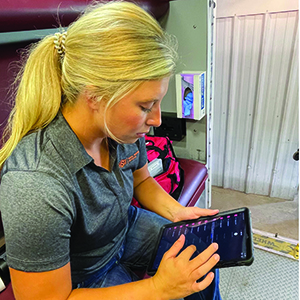

OSU initiative helps rural medics better communicate with emergency rooms in the face of rising challenges due to hospital closures.
Learn More
Learn More
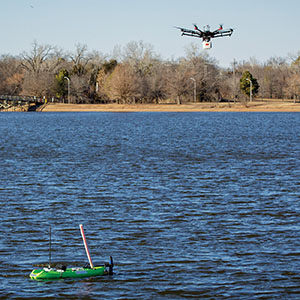

Researchers at Oklahoma State University have begun developing and testing drone technology to monitor and control invasive species in lakes and ponds to ensure that Oklahoma’s water supply is safe and accessible.
Learn More
Learn More
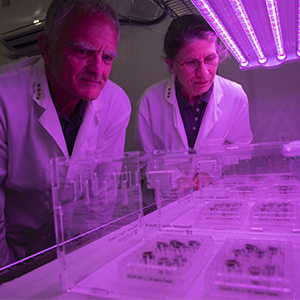

Can plants grow in soil from the moon? Scientists at the University of Florida were the first to show that plants can grow in lunar soil, something previously unknown. This landmark research provides valuable insights into growing plants for food, oxygen and other resources during lunar and space exploration.
Learn More
Learn More
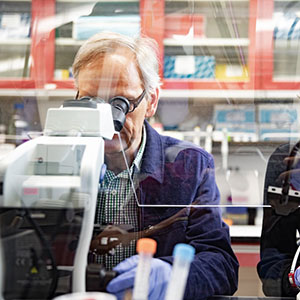

Virginia Tech researchers Igor Sharakhov and Varvara Lukyanchikova are the first to study three-dimensional genome organization in mosquitos. Photo by Max Esterhuizen for Virginia Tech.
Learn More
Learn More
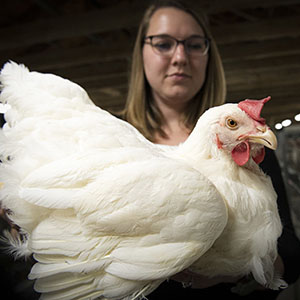

The research — breeding chickens based on water efficiency — is unique, possibly the first of its kind as far as our researchers know. The aim is to develop chickens that thrive on limited water, which could help provide protein in areas of water scarcity. This research was supported by USDA-NIFA.
Learn More
Learn More


NSF funding supports development of a remote patient monitoring project to enable holistic, accurate and faster monitoring of patients to improve quality of life and reduce health care costs.
Learn More
Learn More


The research, among the first to prioritize the needs, talents, aspirations and intersectional experiences of GBGs, has potential to transform elementary education nationwide.
Learn More
Learn More
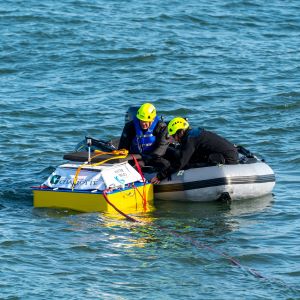

With an impressive finish in the U.S. Department of Energy's Waves to Water competition, UNC Charlotte mechanical engineers elevate the desalination process.
Learn More
Learn More


Due to their flexibility, Katherine Seley-Radtke's fleximers can be more effective against multiple similar viruses or a virus that has accumulated some mutations.
Learn More
Learn More
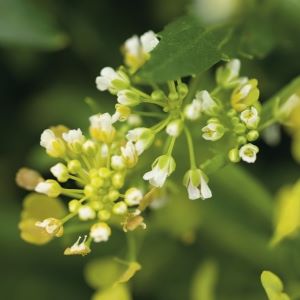

A collaborative team is looking to improve cover crops, particularly pennycress, to be economically viable while protecting the environment thereby incentivizing adoption of sustainable agriculture and climate-smart solutions.
Learn More
Learn More


A combination of higher-resolution graphics and sleeker headsets has propelled virtual reality into arenas beyond gaming and military training, but one barrier to VR becoming mainstream is cybersickness. Initial results from an Iowa State study indicate cybersickness symptoms improve with brief virtual reality sessions.
Learn More
Learn More
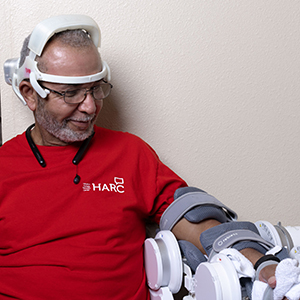

Most neuro technologies are limited to the lab or clinic and are very expensive and hard to operate. A brain-controlled robotic arm developed at the University of Houston and currently in clinical trials requires no surgery and is accessible to robotically guide stroke rehabilitation both in clinic and at home.
Learn More
Learn More


A University of Houston mechanical engineer has developed a sprayable ice-shedding material that is 100 times stronger than any others. The new durable coating material has been tested by Boeing under erosive rain conditions at 385 miles per hour and has outperformed current state-of-the-art aerospace coating technologies.
Learn More
Learn More
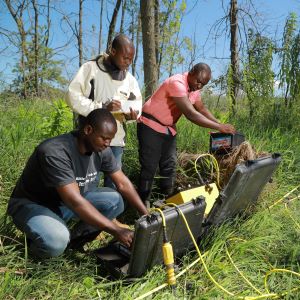

Scientists and students create wireless wetlands, uplands and coastal forests as UToledo leads the Great Lakes portion of the U.S. Department of Energy’s $20-million COMPASS Project.
Learn More
Learn More


Food safety researchers at the University of Houston have discovered a significant disparity in the quality and safety of romaine lettuce available in low- versus high-income communities.
Learn More
Learn More
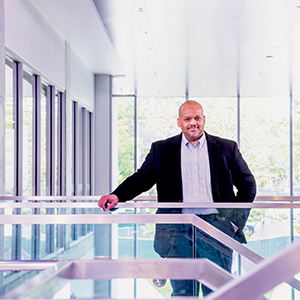

University of Florida researcher Damon Woodard is using artificial intelligence methods to develop algorithms that can detect deepfakes — images, text, video and audio that purports to be real but isn’t.
Learn More
Learn More
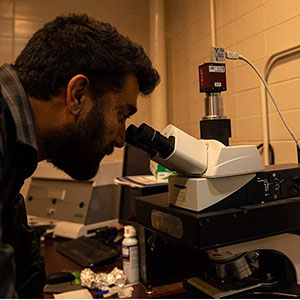

South Dakota Mines researchers are leading a fight to understand and disrupt illegal criminal networks that are responsible for everything from ransomware attacks to the manufacture and distribution of counterfeit goods, to illegal narcotics, to poaching.
Learn More
Learn More
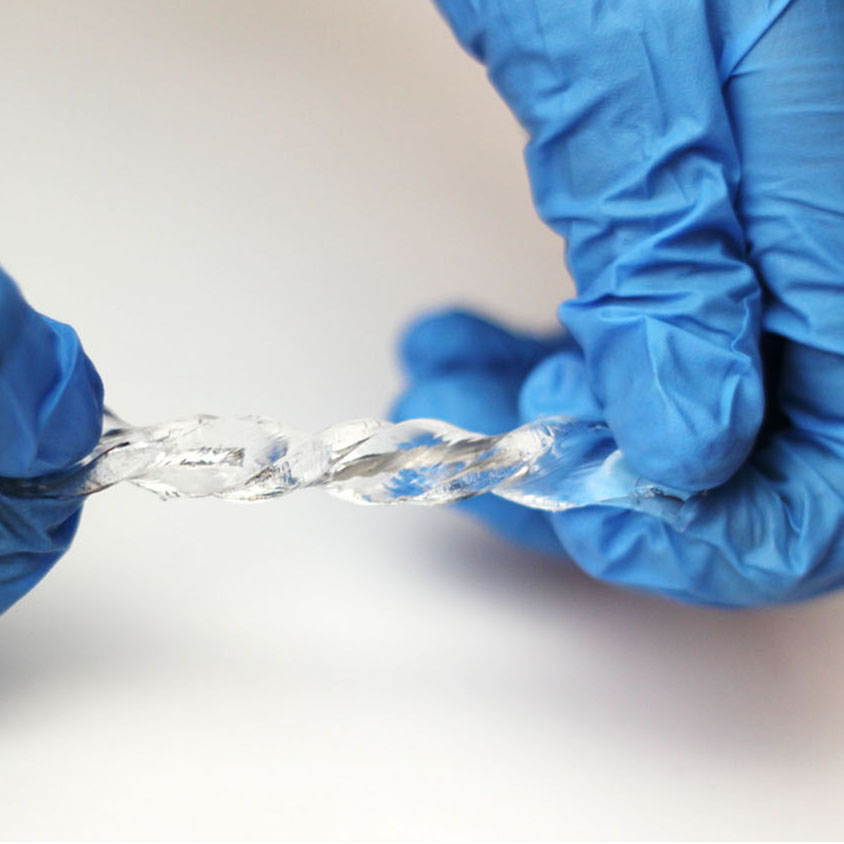

Researchers at North Carolina State University have created a soft and stretchable device that converts movement into electricity and can work in wet environments.
Learn More
Learn More
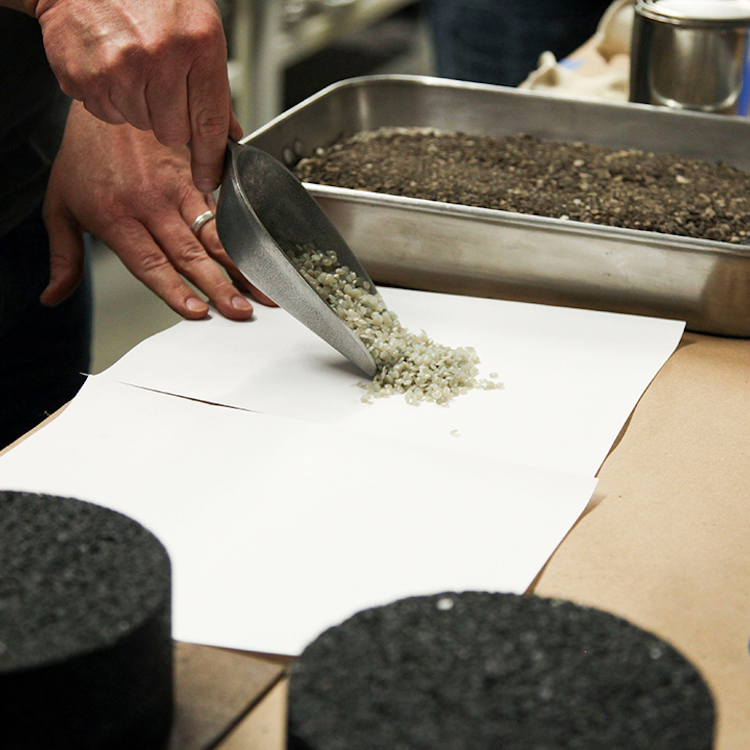

Engineers at the University of Missouri are partnering with Dow and the Missouri Department of Transportation to test mixing plastic waste into the asphalt pavement mixtures for possible use on American roadways and bridges.
Learn More
Learn More
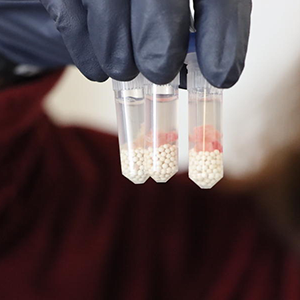

Researchers at the Minnesota Center for Prion Research (MNPRO) developed a novel approach to field testing chronic wasting disease (CWD).
Learn More
Learn More
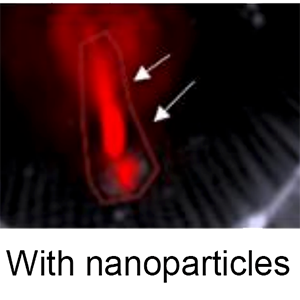

If heart attacks blared a warning signal, patients would have a better chance of avoiding them. A new imaging technique developed by a Spartan-led team uses light, sound and nanoparticles to detect plaques that cause strokes and heart attacks.
Learn More
Learn More


The backbone of solid local action is solid data. Iowa State University is helping Iowa towns translate their community-level data into action to enhance local living through the Data Science for the Public Good program.
Learn More
Learn More
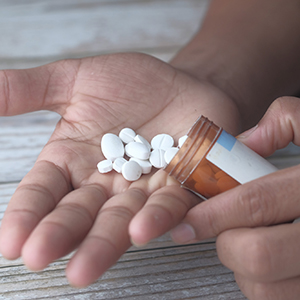

For numerous individuals with substance use issues, particularly teens, the first time these issues are addressed is when they become involved in the criminal justice system.
Learn More
Learn More


New research shows that dietary compounds called prebiotics, which serve as food for good bacteria in the gut, make the body more resilient to circadian rhythm disruptions from things like jet lag or shift work.
Learn More
Learn More
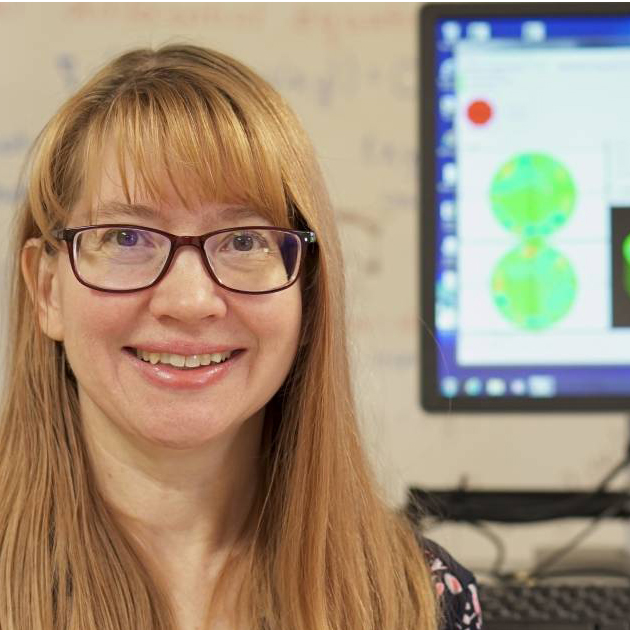

COVID-19 is a respiratory illness that can lead to lung failure, requiring some patients to be sedated and placed on mechanical ventilation. Helping extremely ill patients like this is the motivation behind a new study led by Jennifer Mueller, a professor at Colorado State University.
Learn More
Learn More
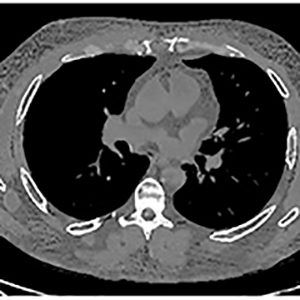

A new artificial intelligence (AI) innovation can test individuals for COVID-19 with greater accuracy and safety, and a University of Hawaiʻi at Mānoa team is working with medical professionals to put it into action.
Learn More
Learn More
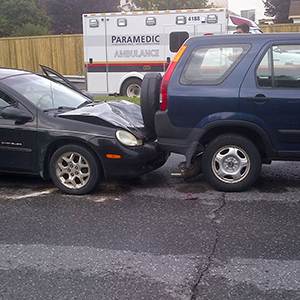

Virginia Tech Transportation Institute researchers are using advanced machine learning and statistical methods to examine key characteristics of high G-force events and their connection with crashes and develop machine learning models that can help predict crashes from high G-force events in real-time.
Learn More
Learn More


Nicki Frey, a wildlife biologist from Utah State University, evaluates animal road crossings that allow wildlife to traverse busy roads where urban and natural environments merge. Frey's research not only has the potential to save lives — it also provides evidence of a cost-effective solution for state governments.
Learn More
Learn More
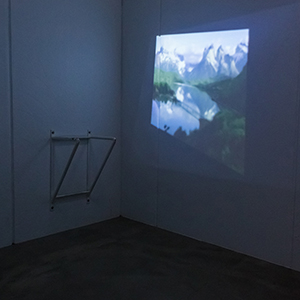

A new study from University of Utah researchers finds that exposure to nature imagery or nature sounds decreased physiological signs of stress in the incarcerated and spurred their interest in learning more about the habitats they experienced.
Learn More
Stay Connected
X (formerly Twitter)
Facebook
YouTube
LinkedIn
RSS