As the United States celebrates its 250th anniversary this year, this timeline highlights defining achievements from APLU member universities that have shaped and advanced the nation. From groundbreaking research and technological innovation to expanding educational access and strengthening communities, these contributions reflect the enduring impact of public and land-grant institutions across generations. The timeline also highlights major milestones such as federal laws and policies that have helped make these achievements possible. Together, these moments tell a collective story of how public and land-grant universities have advanced opportunity, fueled discovery, and promoted the country’s growth and resilience.
In 1965,
Florida Atlantic University launched the nation’s first undergraduate degree in ocean engineering — an audacious step that helped chart America’s course as a global maritime leader. Today, FAU continues to propel that legacy forward through millions of dollars in sponsored research annually, much of it in partnership with the U.S. Navy. From advancing coastal defense technologies and harnessing marine renewable energy to make our nation more energy independent, to deploying autonomous underwater vehicles and cutting-edge sensor systems for exploration, FAU is strengthening national security and expanding humanity’s understanding of the oceans. As America marks 250 years of innovation and independence, FAU stands at the forefront — where discovery meets defense, and science serves the nation.
Learn more
In 1965, researchers at
Michigan State University made an unexpected breakthrough that transformed cancer care. While investigating how electric fields affect bacterial growth, MSU Professor Barnett Rosenberg and his team discovered that a platinum compound, later named cisplatin, halted cell division. Further research revealed its powerful anti-tumor effects, leading to clinical development and U.S. Food and Drug Administration approval in 1978. Cisplatin became the first widely used metal-based chemotherapy drug, dramatically improving survival rates for cancers such as testicular and ovarian tumors and laying the foundation for future platinum-based therapies that have saved
millions of lives worldwide.
Learn more
Higher Education Act of 1965 is signed into law by President Lyndon B. Johnson, creating a federal financial aid system for college students.
Learn more
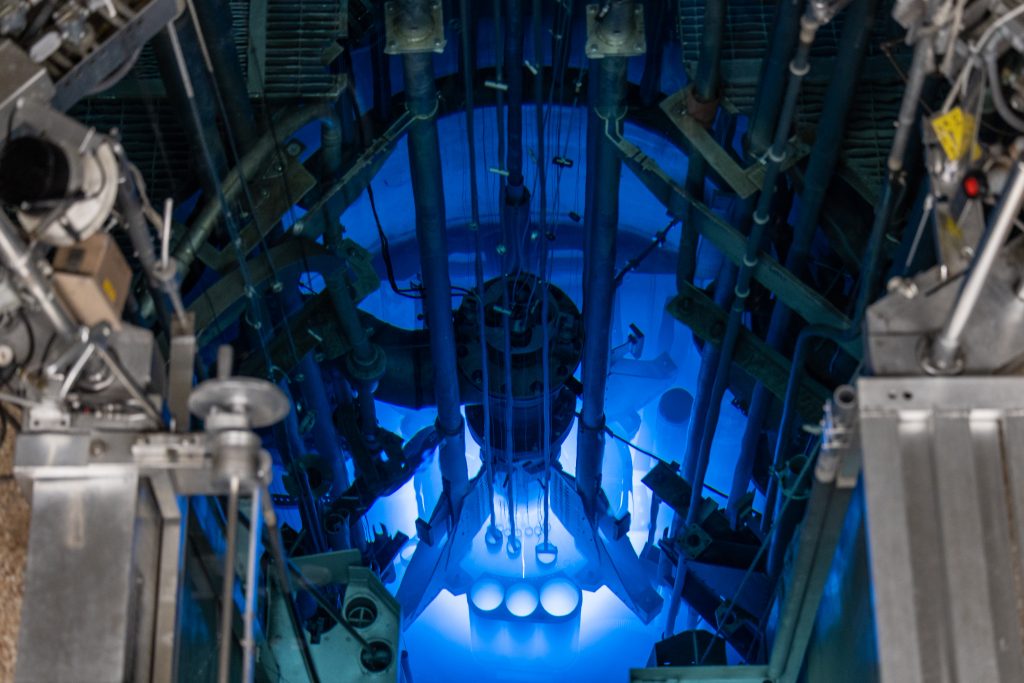
The University of Missouri Research Reactor (MURR) opened with the goal of advancing nuclear energy research for power generation, industry and medical applications. MURR’s flux-trap reactor quickly became a premier research resource. Today, MURR is the largest and most distinctive university reactor facility of its kind in the United States and the nation’s only producer of four critical medical radioisotopes used in cancer-fighting radiopharmaceuticals. In partnership with the State of Missouri and the U.S. Department of Energy, Mizzou is now constructing the Radioisotope Science Center and a new reactor, NextGen MURR, to expand domestic production of life-saving isotopes.
Learn more
The National Sea Grant College Program Act is signed into law to advance research, teaching, and education in marine and coastal sciences. Many of the sea-grant colleges are established at land-grant universities.
Learn more
In the late 1960’s, a group of researchers at the University of Utah changed the way we relate to the digital world. As room-filling computers began proliferating, they transformed their displays from simple lines and text into some of the first 3D images. Before co-founding Adobe, John Warnock’s 1969 “hidden surface algorithm” was instrumental in rendering these early models; it forms the basis for modern CGI.
Learn more
Neil Armstrong’s first steps on the moon on July 20, 1969, marked a defining moment in U.S. history, representing the nation’s technological leadership and the achievement of one of humanity’s greatest ambitions. Armstrong’s path to this historic giant leap began at Purdue University, where he studied engineering before serving as a Navy aviator and returning to complete his degree. Purdue shaped him as a pilot, engineer and leader, ties he honored throughout his career. Today, the university commemorates his legacy through the Neil Armstrong Space Prize and Neil Armstrong Hall of Engineering.
Learn more
In the early 1970s when environmental responsibility emerged as a defining civic issue in the United States and the Environmental Protection Agency was created, CU
Boulder students established one of the nation’s earliest student‑run recycling centers. The Environmental Center, now the largest student‑led environmental center in the country by funding, has catalyzed lasting institutional commitments, including zero‑waste dining halls by 2008 and carbon‑neutral Student Government and Athletics by 2015. From its student‑powered origins emerged transformative programs—student bus passes, bike initiatives, campuswide composting, solar and Sustainable Buffs—creating a national model for student-led campus action.
Learn more
Following a devastating tornado in Lubbock, Texas in May of 1970, Ted Fujita used debris analysis to develop the Fujita Tornado Scale. 30 years later, Texas Tech’s wind engineering program proposed improvements that led to the National Weather Service implementing the Enhanced Fujita Scale, program soon became the National Wind Institute.
Learn more
University of
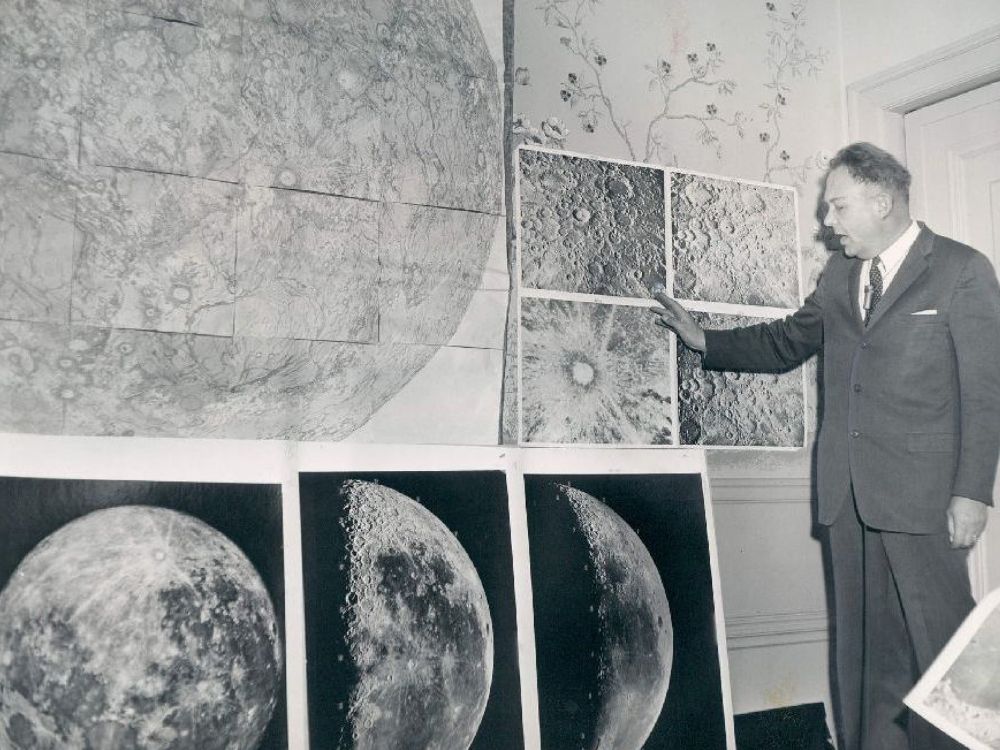
Arizona scientists played a pivotal role in mapping the Moon to support the nation’s Apollo missions during a defining moment in U.S. history. Researchers at the Lunar and Planetary Laboratory produced detailed lunar atlases using ground-based telescopic photography and analysis, helping NASA understand the Moon’s surface and identify landing sites for astronauts. Their work informed mission planning across the Apollo program and contributed directly to the United States’ success in landing humans on the Moon. This groundbreaking research helped guide humanity’s first steps beyond Earth and positioned the University of
Arizona as a leader in planetary mapping and space exploration.
Learn more
The Emmanuel Art Gallery has been the heart of one of Denver’s most diverse neighborhoods for the past 150 years. Built in 1876, the structure was first an Episcopalian Chapel. As the community changed and grew, it was converted into the Shearith Israel Synagogue which served a large Jewish community for decades. As the neighborhood changed again, the building first became a private art studio and, in 1973, it became part of University of Colorado Denver. Since then, it has served as a vital part of the city’s art community, drawing thousands from around the world for unique exhibits. The gallery also gives our students hands-on opportunities to show their work and learn how to run a museum. It has become an integral part of the university’s College of Arts & Media, producing graduates who work at some of the best galleries around the country. To celebrate the 150th anniversary, the gallery is hosting an event to share the building’s history and impact that continues today.
Learn more
In 1973, Northern Illinois University established the nation’s first collegiate steel pan band, transforming a Caribbean folk tradition into a vibrant academic discipline. Founded by music professor Al O’Connor, the ensemble introduced the steelpan, Trinidad and Tobago’s national instrument, to U.S. higher education. Its success sparked the creation of steel bands at universities nationwide. With contributions from master builder Cliff Alexis and virtuoso Liam Teague, NIU remains a global leader, offering the nation’s only bachelor’s and master’s degrees in steelpan.
Learn more
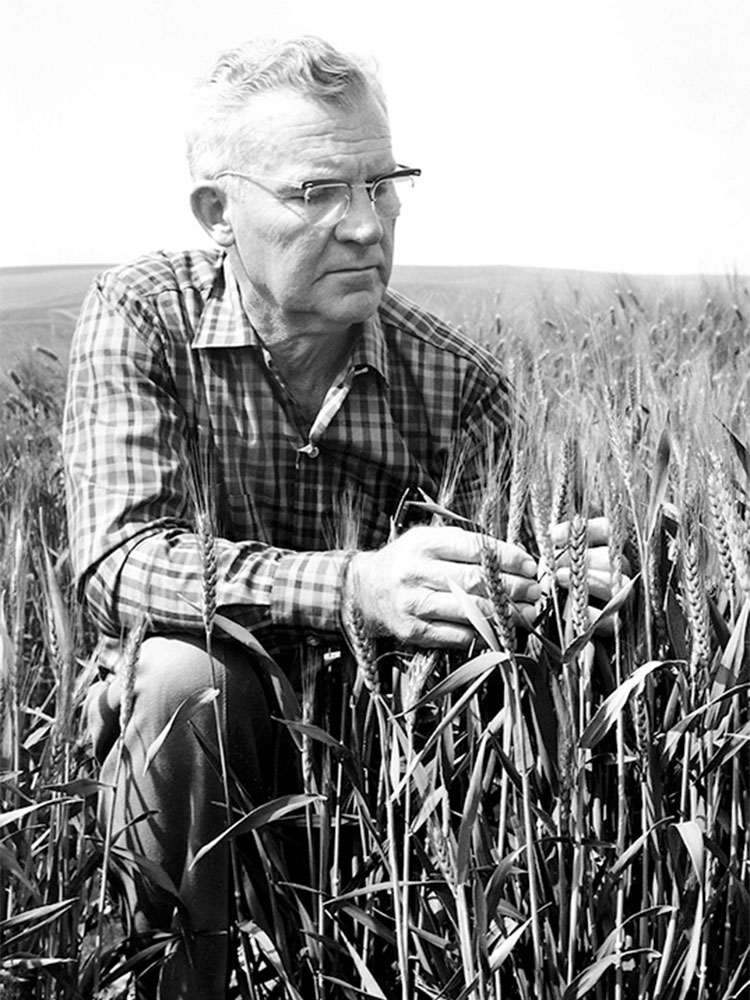
Orville Vogel helped feed the world. Vogel, a U.S. Department of Agriculture wheat breeder at Washington State University, introduced dwarf wheat plants that infused more energy into their heads of grain, boosting yields by as much as 25%. His work in the 1950s and ’60s transformed the wheat industry. It also set the stage for waging the battle against world hunger, the U.S. Science Foundation said in 1975 when awarding Vogel the National Medal of Science.
Learn more
Known as the “father of sports medicine,” Temple University alumnus and orthopedic surgeon Joseph Torg transformed athlete safety nationwide. In 1976, his research led high school and college football organizations to ban “spearing,” or initiating tackles with the top of the helmet, contributing to a dramatic decline in catastrophic cervical spine injuries and paralysis. During that same decade, Torg testified that it was safe for girls to play baseball in a case that paved the way for co-ed Little League. He also promoted a test for evaluating ACL injuries—now considered best practice—and conducted research linking cleat design to severe knee injuries, which led to safer standards.
Learn more
The Department of Energy Organization Act is signed into law, creating the Department of Energy.
Learn more
The Food and Agriculture Act – containing the National Agricultural Research, Extension, and Teaching Policy Act of 1977 – is signed into law, providing federal capacity grants to the 1890 land-grant institutions for research (commonly called Evans-Allen) and Extension programs.
Learn more
In the 1970s, Agronomist Billy Tucker and Professor Bob Westerman spearheaded the campaign to list the Magruder Plots on the National Register of Historic Places. The plots were officially added to the registry on Aug. 29, 1979, and are the oldest continuous soil fertility wheat experiment west of the Mississippi River.
Learn more
The system that tracks nearly every flash of lighting in the U.S in real time — a critical tool for weather safety — would not exist without foundational contributions from the University at
Albany. Now operated by Vaisala, the National Lightning Detection Network was developed in part by UAlbany researchers during the 1980s with support from the National Science Foundation and NASA. The complex web of directional sensors now covers the continental U.S. up to 300 kilometers off the coast, detecting the electromagnetic waves caused by lightning and helping protect air traffic, athletic events and the electric grid and respond to wildfires.
Learn more
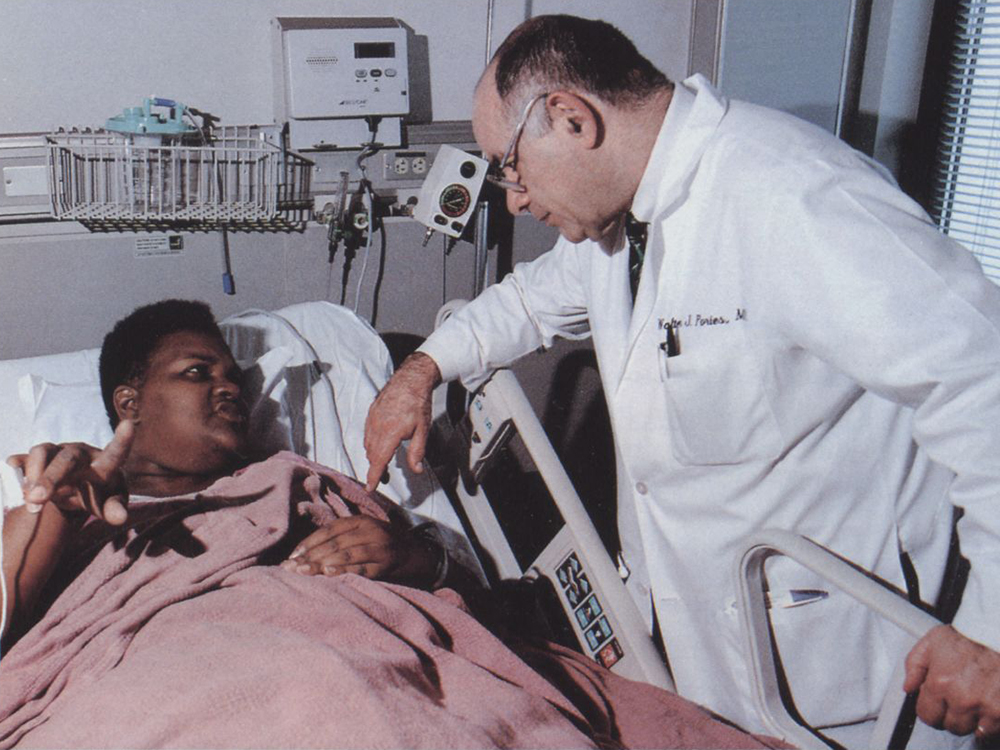
The gastric bypass surgical procedure now used throughout the world was designed and tested at East Carolina University’s Brody School of Medicine. Dr. Walter Pories and his team were also the first to document that the operation could reverse type 2 diabetes, prevent the complications of that disease, and reduce mortality by 83%. A recognized leader in the field of bariatric surgery, ECU was also a pioneer of robot-assisted cardiothoracic surgery — just two of many examples of the institution’s direct impact on health outcomes in eastern North Carolina and nationwide.
Learn more
UM-Dearborn’s Voice/Vision Holocaust Survivor Oral History Archive documents the World War II genocide through survivors’ experiences, including concentration camp imprisonment and emigrating to the United States after the war. History Professor Sidney Bolkosky began the archive in 1981 to record the aftermath of the Holocaust and help people recognize signs of genocide. There are now more than 300 oral histories in the collection. After Bolkosky’s death in 2012, the archive’s impact continued. Many interviews — which are shared in museum exhibits, U-M courses and community educational programming — are online. Digitalization and transcription work continues.
Learn more
In 1981, UO geneticist George Streisinger published a paper describing how he’d cloned a zebrafish — the first documented cloning of a vertebrate. He’d brought the pet store fish into his lab years earlier as a promising candidate for genetics research. The advance launched a new scientific field and helped make the UO a worldwide leader in zebrafish research. More similar to humans than fruit flies but easier to care for than rodents, today the zebrafish is helping scientists around the world understand the genetic underpinnings of human diseases and answer questions about developmental biology.
Learn more
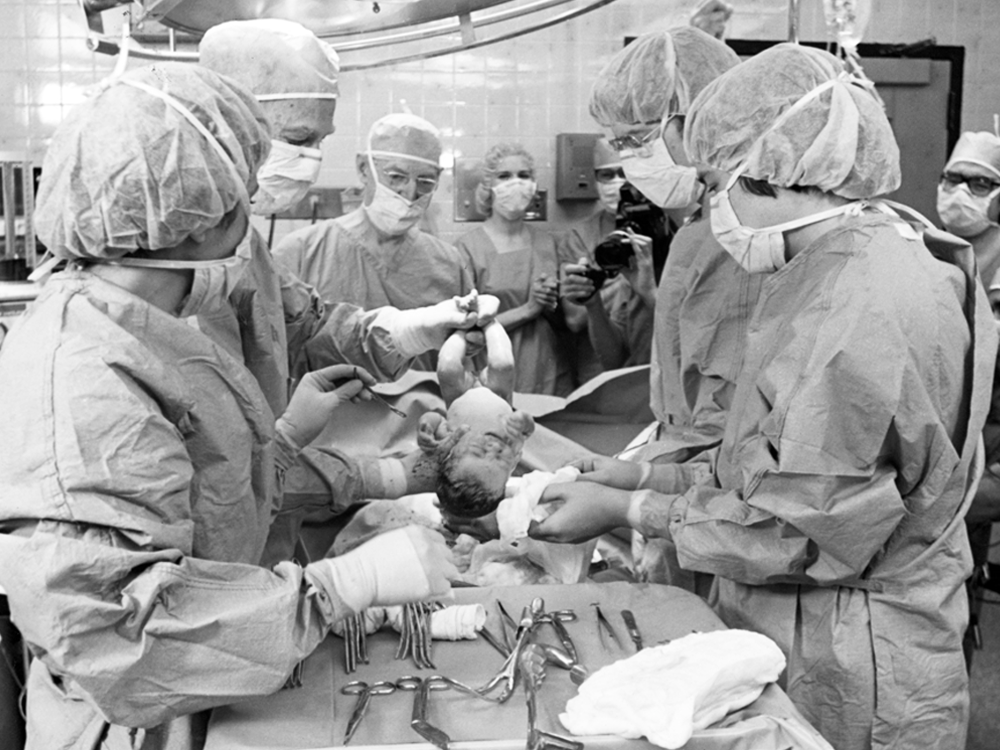
Macon & Joan Brock Virginia Health Sciences Eastern Virginia Medical School at Old Dominion University is a pioneer in assisted reproductive technology. In December 1981, the first in vitro fertilization (IVF) baby in the U.S. was born through the efforts of Doctors Georgeanna and Howard Jones at the prestigious Jones Institute for Reproductive Medicine, located on Old Dominion University’s medical campus. Elizabeth Carr was born at Sentara Norfolk General Hospital in Norfolk, Virginia, delivered by Dr. Mason Andrews, a key founder of the medical school.
Learn more
In 1987, as the U.S. pushed to maintain global technological supremacy, University of Houston physicist Paul Chu secured a defining American scientific victory by discovering high-temperature superconductivity. Sparking the legendary “Woodstock of Physics,” Chu’s breakthrough moved zero-resistance electricity into practical reality, laying the foundation for modern MRI machines and next-generation U.S. energy grids. The University of Houston continues driving American innovation today, setting a new ambient-pressure superconductivity record in March 2026. This legacy ensures the United States remains at the forefront of hyper-efficient infrastructure as the nation looks toward its next 250 years. Photo credits to the University of Houston.
Learn more
The National Space Grant College and Fellowship program is established by Congress and signed into law, supporting and expanding a national network of cooperative programs in aeronautics and space–related fields.
Learn more
In 1988, UMBC founded the Meyerhoff Scholars Program, a nationally recognized model for advancing diversity and excellence in STEM by combining a rigorous academic foundation with a strong sense of community, supporting over 1,800 undergraduates. Alumni have earned more than 500 Ph.D.s—including 80 M.D./Ph.D.s—making UMBC the nation’s top baccalaureate origin for African American M.D./Ph.D. recipients. Meyerhoff participants are 5.3 times more likely to pursue STEM Ph.D.s than students offered admission who decline. This success has sparked over a dozen replications nationwide. Collectively, these efforts have empowered thousands of students, turning UMBC’s vision into a movement.
Learn more
In the 1990s, researchers at UNC
Charlotte invented breakthrough miniature lens technology that made high-quality cameras small enough to fit inside mobile phones. The University filed the original patents for what became foundational optics used in virtually every smartphone camera worldwide. This innovation helped transform communication, journalism and daily life, enabling billions of people to document history in real time. From family milestones to world-changing events, the ability to carry a powerful camera in your pocket traces back to research conducted at UNC
Charlotte, a defining technological contribution to the digital age.
Learn more
Since 1993, Texas A&M has led the nation’s most successful pest eradication effort: the Boll Weevil Eradication Program. Recorded as one of the most effective public-private partnerships in U.S. agricultural history, it eliminated a devastating threat to American cotton. The program has increased Texas producer returns by $5.5 billion since 1996 and boosted yields by 30–40%. It also advanced integrated pest management as a national model, transforming agricultural practices and securing the long-term viability of U.S. cotton production.
Learn more
The synthesis of Taxol by Florida State University Professor Robert A. Holton represents a landmark achievement in cancer treatment. Originally derived from the rare Pacific Yew tree, the drug’s production was limited until Holton’s team developed a semi-synthetic process in 1989. This breakthrough allowed for large-scale manufacturing via Bristol Myers Squibb, ultimately treating more than 1 million patients with breast and ovarian cancer. The partnership generated over $350 million in royalties for FSU, funding academic excellence and research. Holton, who achieved the first total synthesis in 1994, left a lasting impression in organic chemistry before his passing in 2025.
Learn more
The Equity in Educational Land-Grant Status Act of 1994 is signed into law, recognizing certain tribal colleges and universities as land-grant institutions.
Learn more
On October 11, 1995, UC Irvine became the first public university to have two faculty members win
Nobel Prizes on the same day. F. Sherwood “Sherry” Rowland (Chemistry) and postdoctoral scholar Mario Molina discovered that CFCs were destroying the ozone layer. Their research led to the Montreal Protocol, the most successful environmental treaty in history. Frederick Reines (Physics) co-discovered the neutrino, opening up new pathways for discovery in physics.
Learn more
In 1997, National Institute of Standards and Technology physicist and University of Maryland faculty member William Phillips received the
Nobel Prize for breakthroughs in laser cooling, enabling scientists to trap atoms with light. That inspired UMD physicist Chris Monroe’s 21st-century work demonstrating trapped atoms could reliably function as processing elements, or qubits, in quantum computers. Monroe then cofounded IonQ, headquartered on UMD’s campus, as America’s first publicly traded pure-play quantum computing company. This line of progression from fundamental discovery to revolutionary technology exemplifies UMD’s leadership in quantum science and American universities’ role in driving innovation and building the nation’s economy.
Learn more
In 2000, the Virginia Tech Transportation Institute and NHTSA launched the first large-scale naturalistic driving study (NDS). By instrumenting vehicles with synchronized cameras and sensors, VTTI pioneered a digital system to capture real-world driving at scale, providing unprecedented data on driver’s actions and context, and enabling links between driver behavior and crash risk. Building on this foundation, NDS became a national research standard. VTTI now maintains the world’s largest NDS database, supporting research to reduce crashes and guide new technologies — from touchscreens to automated vehicles. Findings shaped hands-free phone laws, Federal Motor Carrier Safety Administration hours of service rules, and vehicle safety requirements nationwide.
Learn more
The University of California,
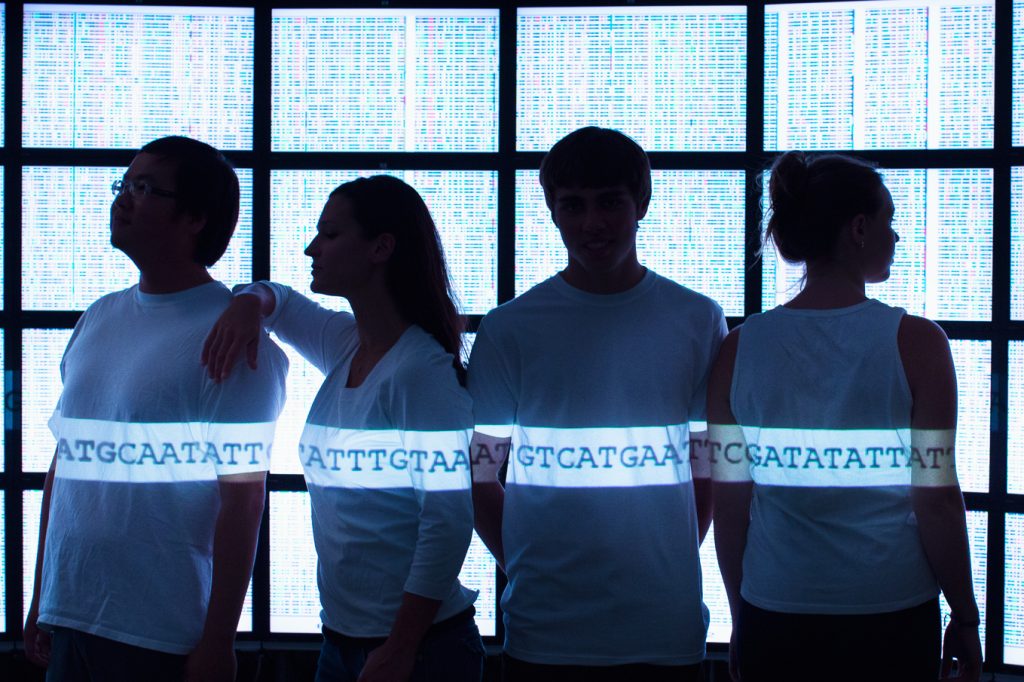
Santa Cruz publicly shared the first draft of a human genome sequence on behalf of the international Human Genome Project, providing the first holistic look at the DNA that codes for human life. This ensured free public access to the human genetic code and served as the foundation for many major advances in disease research, personalized medicine, and more. The UCSC Genome Browser, developed to analyze the sequence, continues to be one of the most widely used tools in genomics today.
Learn more
Drs. Shyam and Subhra Mohapatra are pioneering nanomedicine research shaping diagnostics and therapeutics nationwide. Their innovations include nanofiber-based tumor modeling systems (tumor-on-a-disc and perfused tumor-on-a-chip) that enable patient-specific cancer treatment testing. Extending into traumatic brain injury and neurotherapeutics, they develop targeted nanotechnology drug delivery systems. Their patented technologies have spawned startups, industry partnerships and ultra-rapid diagnostic platforms capable of detecting viral infections, including COVID-19, in under a minute. This demonstrates the transformative and translational potential of nanomedicine in improving health across the nation.
Learn more
The University of Alabama created the nation’s first collegiate adapted athletics facilities, shaping the landscape of competition for student-athletes with disabilities (2003–Present): The University of Alabama’s Adapted Athletics program was founded in 2003 with women’s wheelchair basketball. Men’s wheelchair basketball was added in 2005, wheelchair tennis in 2011 and para track and field in 2023. The program opened the nation’s first dedicated collegiate arena for adapted sports in 2018, creating a national model. The Parker-Haun Tennis Facility was opened in 2021, another national first. UA’s Adapted Athletics program has 24 national championship titles across all sports. UA alumni have competed at the Paralympics since 2004, with 18 athletes or staff competing at the 2024 Paris Paralympic Games.
Learn more
The Post-9/11 GI Bill is signed into law, dramatically increasing higher education benefits for veterans.
Learn more
Mas Subramanian, Milton-Harris Chair of Materials Science, and his students at OSU were experimenting to find new materials for electronics manufacturing when they mixed manganese oxide with other chemicals, heating them to nearly 2,000 degrees Fahrenheit. They were surprised to find a brand new pigment emerge with a deep, vivid blue hue. YInMn blue, the first blue pigment discovered in 200 years, is non-toxic, stable in water and oil, and does not fade – perfect for use in coatings, plastics and art paints. It also reflects invisible, infrared sunlight before it can transform into heat, which can lower air conditioning bills.
Learn more
Announced in 2015,
Wichita State University’s Innovation Campus transformed a former 125-acre golf course into one of the nation’s fastest‑growing university‑based research and innovation parks, doubling the physical footprint of its main campus. Designed as a collaborative environment for academia and industry, the Innovation Campus integrates corporate partners, applied research labs, student housing, and experiential learning spaces. The model has reshaped how public universities contribute to economic development by embedding students directly into real‑world research and industry challenges, reinforcing higher education’s role in driving American innovation in the 21st century.
Learn more
University of Kentucky researcher Brent Seales is helping unlock the Herculaneum scrolls, ancient manuscripts carbonized by Mt. Vesuvius in 79 CE and unreadable for 2,000 years. Through AI, micro-CT imaging and “virtual unwrapping” software developed by Seales’ team, researchers and Vesuvius Challenge contestants have revealed Greek text from inside still-closed scrolls without damaging them. The breakthrough has already uncovered columns of Epicurean philosophical writing and proven that the lost library can be read. Now supported by a $13.5 million ERC Synergy Grant, the international UnLost project aims to recover more hidden knowledge from the only surviving ancient library.
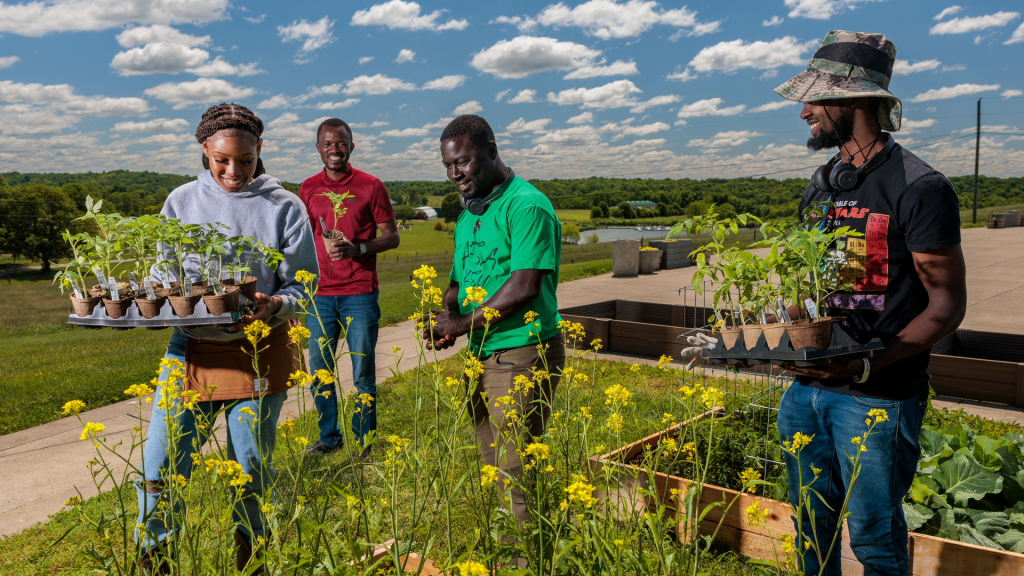
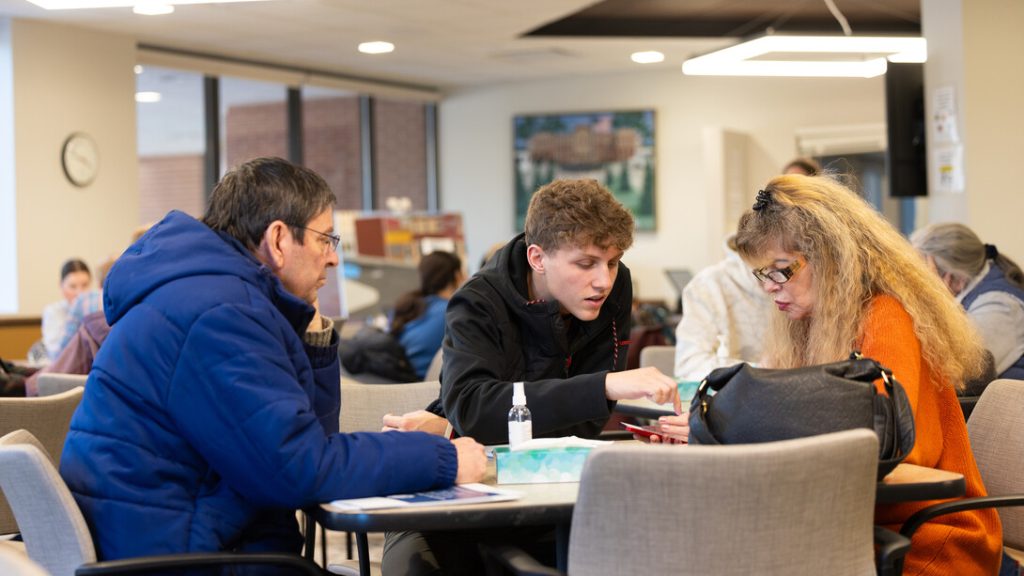
Lincoln has seen over 200 students volunteer with Aging Partners of Lincoln since 2024, holding monthly digital literacy workshops to help over 350 area seniors navigate their phones, laptops or other digital devices and the evolving digital landscape. The workshop reflects a broader trend.
Nearly 70% of
Nebraskans age 65 and older
have internet access at home but face many challenges with broadband reliability and confidence using technology. Seniors are able to bring in whatever device they would like help with and sit down with a student one-on-one to look for a solution. Often this can be issues like how to connect to a Wi-Fi
network, how to access an email account or digital tickets, or how to utilize an application like FaceTime for video calls. The one-on-one conversations also incorporate information about avoiding digital frauds and scams. They provide information about how to recognize signs of a scam and how to prevent someone from stealing personal information. Aging Partners started the digital literacy workshops around two years ago with a grant from AARP, and partnered with the Student Leadership, Involvement, and Community Engagement Office at UNL to recruit students.
Learn more
A new brain-computer interface developed at UC Davis Health translates brain signals into speech with up to 97% accuracy — the most accurate system of its kind. The researchers implanted sensors in the brain of a man with severely impaired speech due to amyotrophic lateral sclerosis (ALS). The man was able to communicate within minutes of activating the system. The new technology restores communication for people who can’t speak due to paralysis or neurological conditions like ALS. It can interpret brain signals when the user tries to speak and turns them into text that is ‘spoken’ aloud by the computer.
Learn more
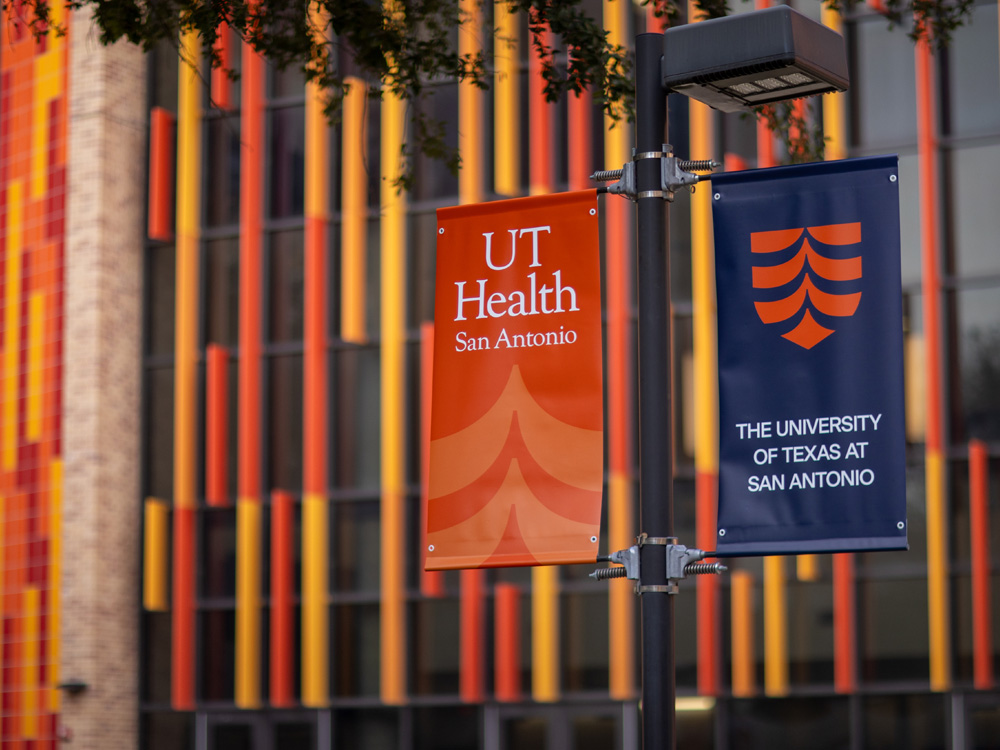
On September 1, 2025, The University of Texas at San Antonio and The University of Texas Health Science Center at San Antonio merged to form UT San Antonio, creating the third-largest public research university in Texas and one of the most significant university mergers in U.S. history. The merger established a new model for integrating academic, research and health enterprises to advance student success, public health and economic opportunity. Today, UT San Antonio is one of only 13 institutions nationwide to hold three Carnegie distinctions simultaneously: R1, Opportunity College & University and Community Engagement.
Learn more

















Stay Connected
X (formerly Twitter)
Facebook
YouTube
LinkedIn
RSS