As the United States celebrates its 250th anniversary this year, this timeline highlights defining achievements from APLU member universities that have shaped and advanced the nation. From groundbreaking research and technological innovation to expanding educational access and strengthening communities, these contributions reflect the enduring impact of public and land-grant institutions across generations. The timeline also highlights major milestones such as federal laws and policies that have helped make these achievements possible. Together, these moments tell a collective story of how public and land-grant universities have advanced opportunity, fueled discovery, and promoted the country’s growth and resilience.
1785
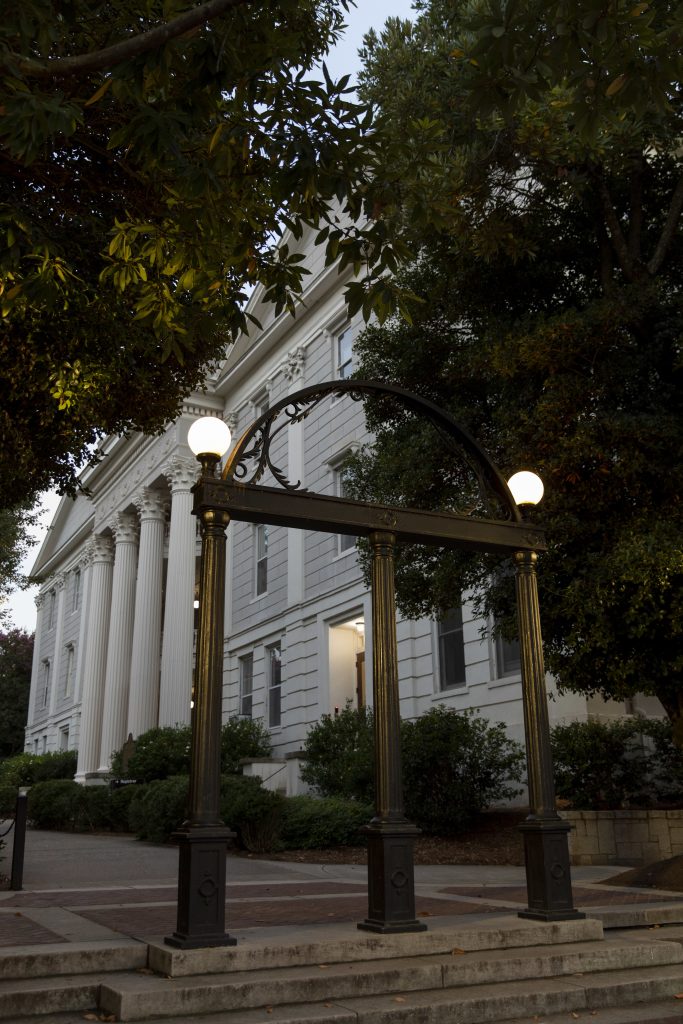
When the Georgia General Assembly chartered the University of Georgia, it ignited a bold experiment—the first state-chartered university and the Birthplace of Public Higher Education in America. Abraham Baldwin, the charter’s architect and the university’s inaugural president, was a Yale-educated clergyman. But Baldwin, who would later sign the U.S. Constitution, envisioned an accessible university—one driven by public purpose, unrestricted by religious affiliation, and capable of uplifting individuals and advancing society. That vision launched America’s great tradition of public higher education that continues to flourish today, nearly 250 years later.
Learn more
1791
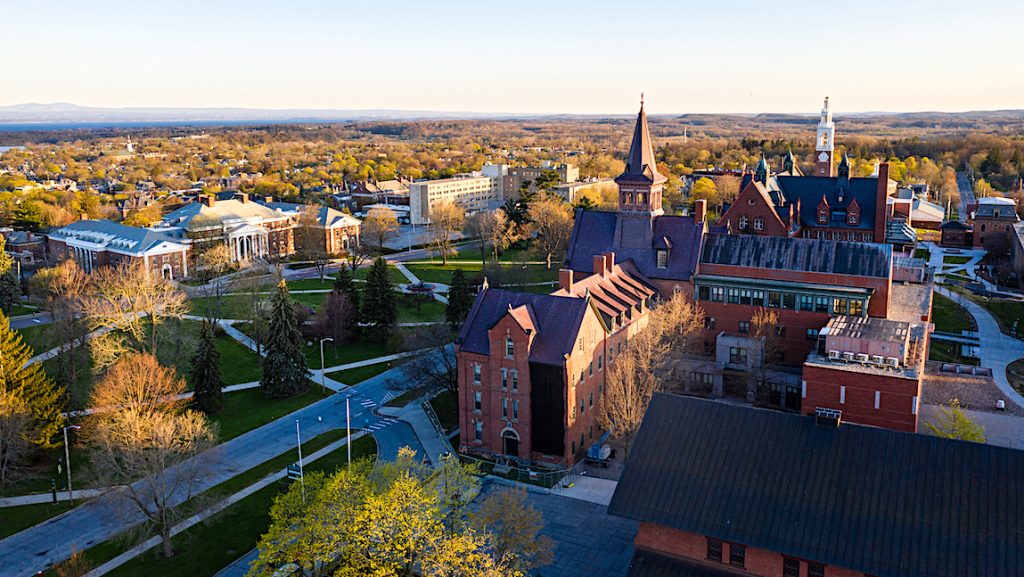
The General Assembly of the newly admitted 14th state charters the University of Vermont (UVM), the institution that the state’s native son, Justin Morrill, father of the U.S. land grant movement, will serve as a trustee for over 30 years. Led by President James Marsh, the UVM curriculum reforms of 1826-1829 pioneered a shift away from rigid classical curriculum toward a more flexible, student-centered approach, influencing the eventual adoption of the elective system and broader, modern academic offerings throughout U.S. higher education–a curricular legacy that heavily shaped the thinking of UVM alumnus and educational reformer John Dewey.
Learn more
1793
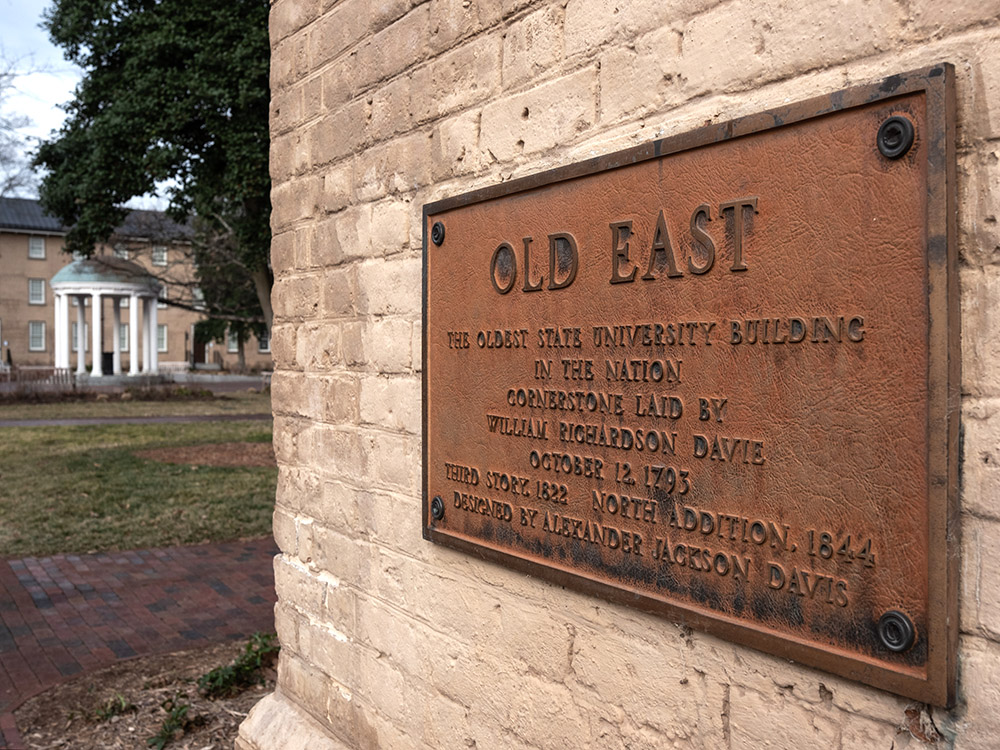
Public higher education began in Chapel Hill in 1793, and for more than 230 years, Carolina has symbolized the importance of education in a democratic nation. The date, Oct. 12, marks the laying of the cornerstone of Old East, the institution’s first building and the oldest state university building in the nation.
Learn more
1809
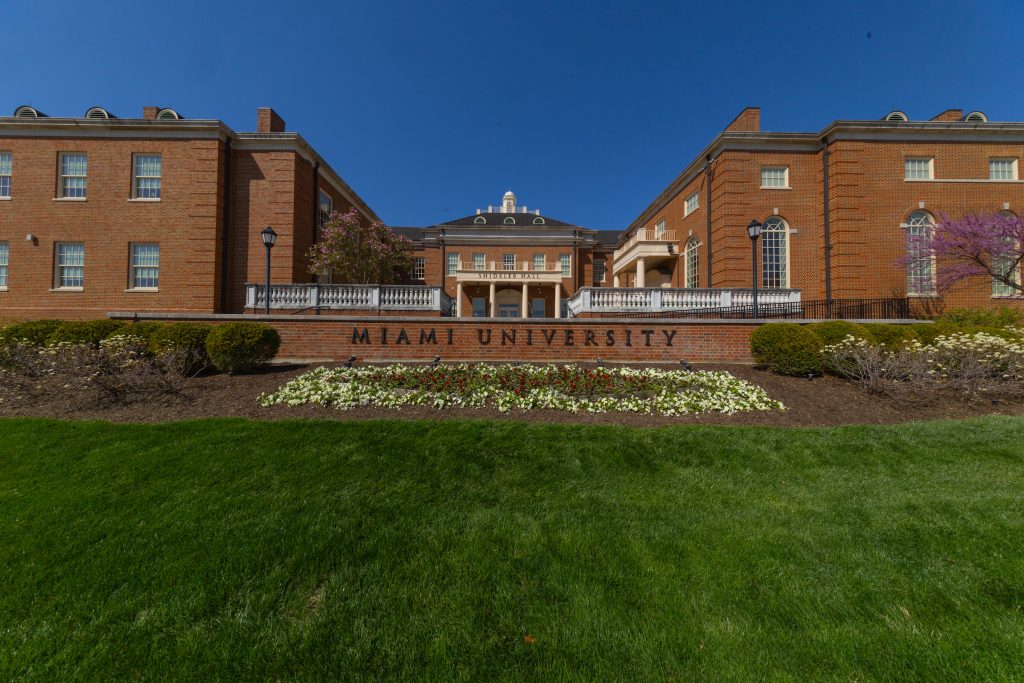
Chartered in 1809 and made possible by a law signed by President George Washington in 1795, Miami University first welcomed students in 1824. Miami counts Benjamin Harrison, 23rd President of the United States, among its graduates. William Holmes McGuffey taught at Miami from 1826-1836. It was during his time at the university that McGuffey first researched his Eclectic Reader series, and his textbooks would go on to serve as a cornerstone of education for generations of Americans for nearly 100 years.
Learn more
1838
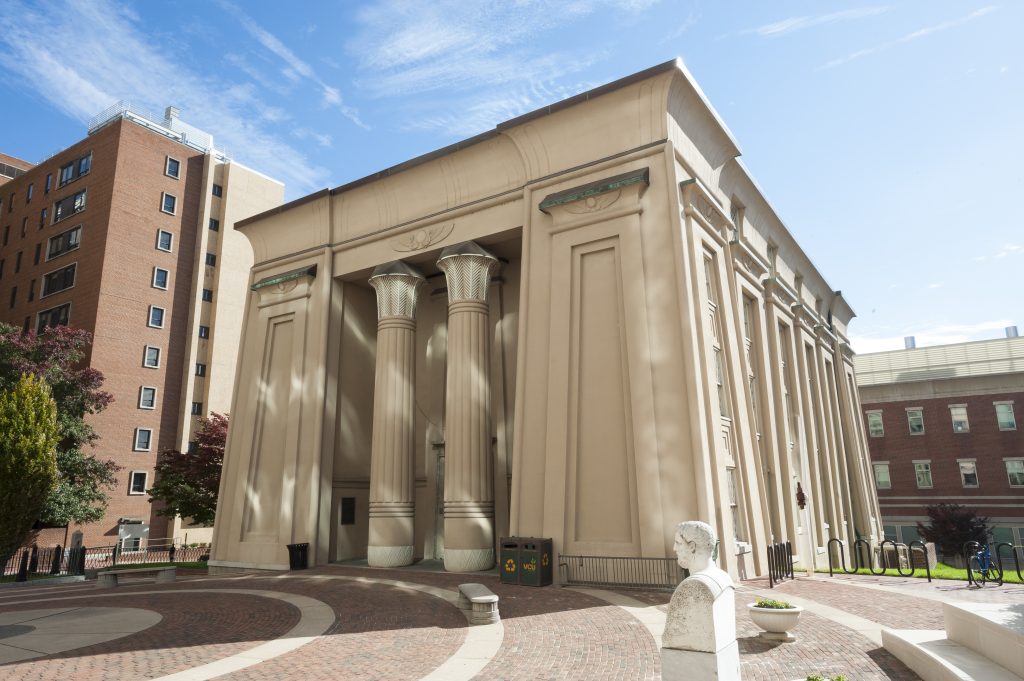
In 1838, the Richmond Department of Medicine opened as part of Hampden-Sydney College, combining medical education with patient care. It became the independent Medical College of Virginia in 1854. Classes and clinical activity took place in the Egyptian building, one of the oldest examples of Egyptian architecture in the U.S., which is still in use for classes today. The Richmond School of Social Economy, later known as the Richmond School of Social Work and Public Health, opened in 1917. It was the first school of its kind in the South. In 1968, the Medical College of Virginia merged with the Richmond Professional Institute to create Virginia Commonwealth University.
Learn more
1861
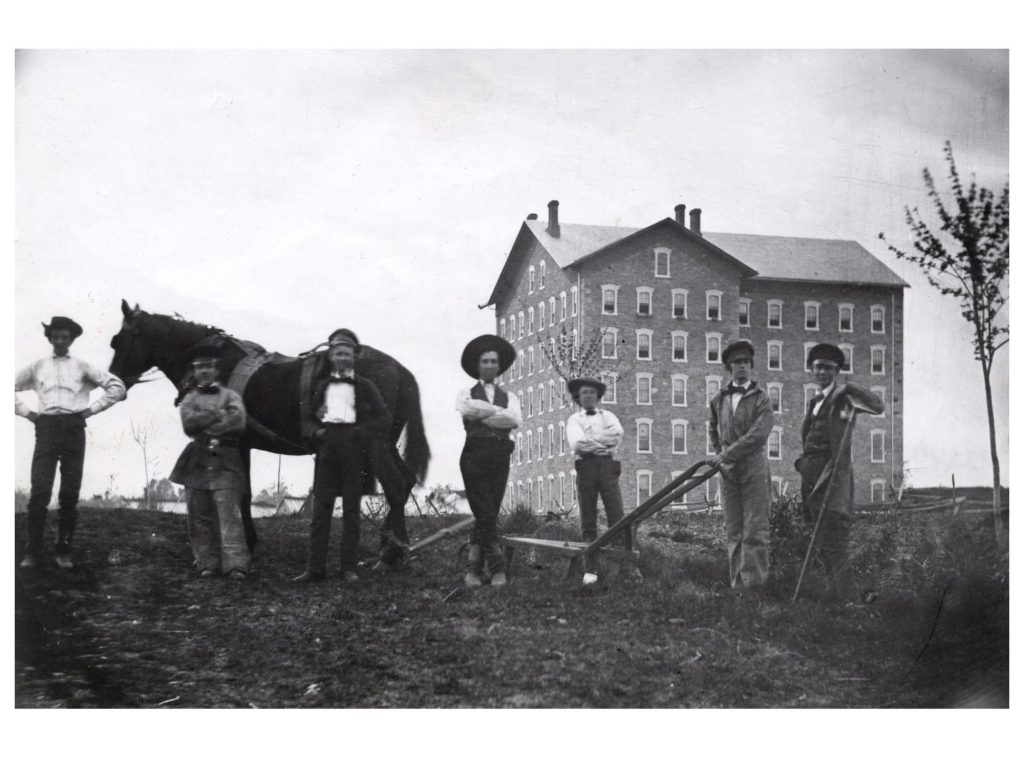
At a time when higher education focused primarily on classical studies, Penn State was the first U.S. university to award baccalaureate (in 1861) and graduate (in 1863) degrees in agriculture. This pioneering effort to formalize higher education in the field helped the agricultural sciences to become an accepted and vital part of higher education and America to become the world’s premier agricultural nation.
Learn more
1862
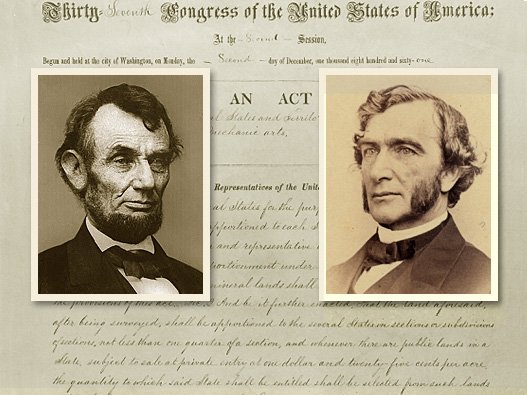
President Abraham Lincoln signs the Morrill Act into law, establishing land-grant colleges by providing federal lands to the states to be sold to support colleges of agriculture and mechanical arts.
Learn more
1870
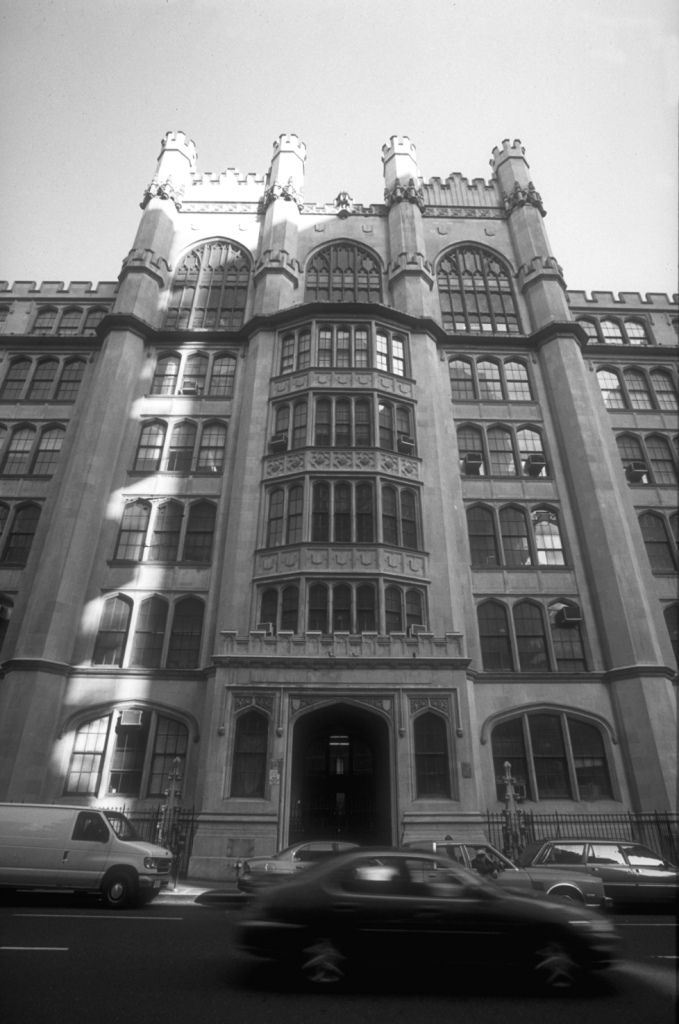
On February 14, 1870, Hunter College became the first free municipal college for women in the U.S. Named the Normal College of the City of New York by the state legislature, it subsequently was renamed for its founder, Thomas Hunter, a renowned education reformer and Irish immigrant. The student body of 1,105 drew from every stratum of the city: the laboring, mechanical, mercantile, manufacturing, and professional classes. The curriculum including Latin, modern languages, science, and mathematics reflected President Hunter’s belief that “Normal study and normal practice, to be effective, must be based on the broad foundation of a liberal education.”
Learn more
1876
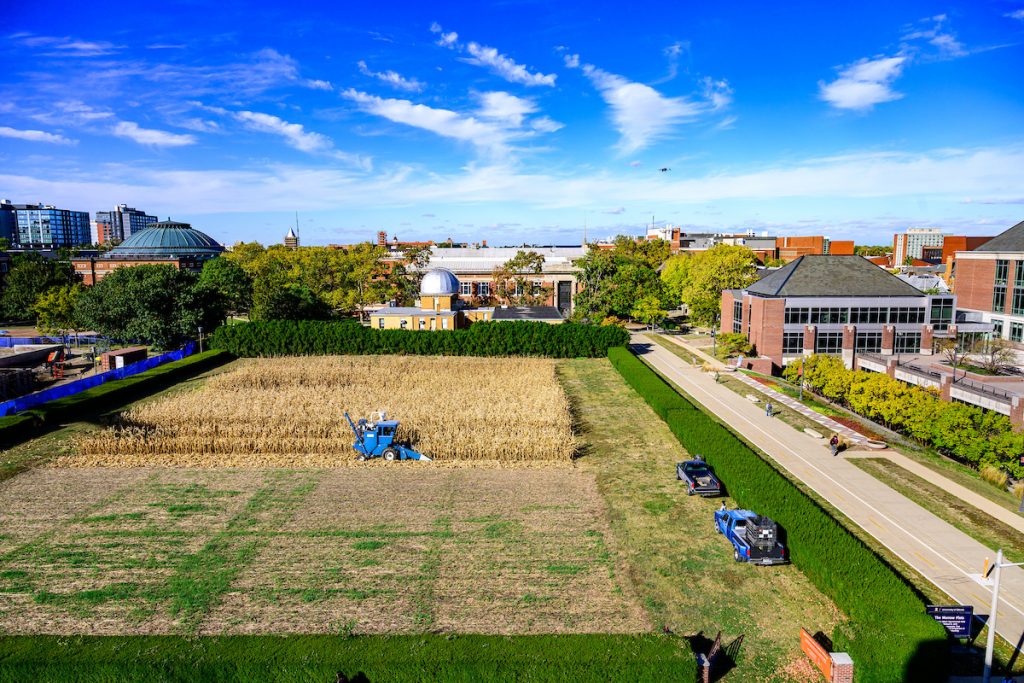
Established in 1876 at the University of Illinois Urbana-Champaign, the Morrow Plots are the oldest experimental crop field in America and the second oldest in the world. Research on the plots was instrumental in gaining knowledge on crop rotation, soil nutrient depletion, and the effects of synthetic and natural fertilizers. With more than 100 years of research, records of the Morrow Plots continue to provide valuable information for a variety of topics, including soil carbon sequestration and long-term effects of fertilizers on soil bacteria. Corn, wheat, soybeans and other crops are still grown on the plots to this day.
Learn more
1880
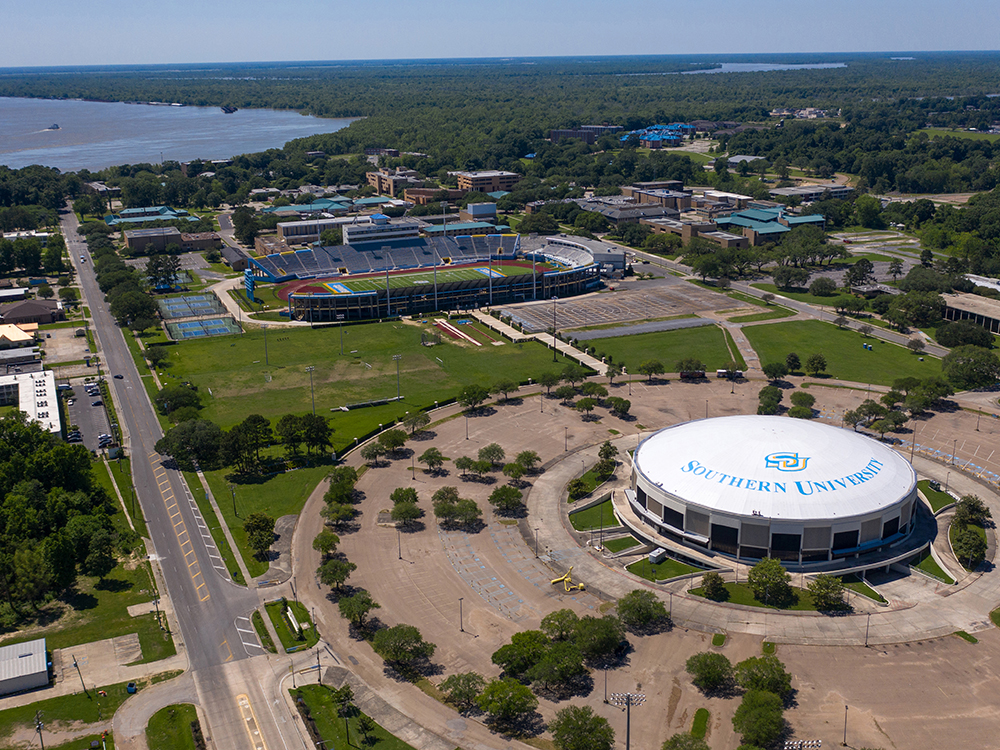
Founded in 1880 in New Orleans, Southern University was established to provide educational opportunities for African Americans in Louisiana during the post-Reconstruction era. Relocated to Baton Rouge in 1914, Southern has grown into the nation’s only Historically Black university system, serving more than 14,000 students through five campuses: Southern University and A&M College (1880), Southern University Law Center (1947), Southern University at New Orleans (1956), Southern University at Shreveport (1964), and Southern University Agricultural Research and Extension Center (1994). An 1890 land-grant institution, Southern University and A&M College earned Carnegie R2 designation, reflecting its growing research enterprise and doctoral production. Together, the campuses advance excellence in education, research, workforce development, public service, agriculture, and legal education while transforming lives across Louisiana and beyond.
Learn more
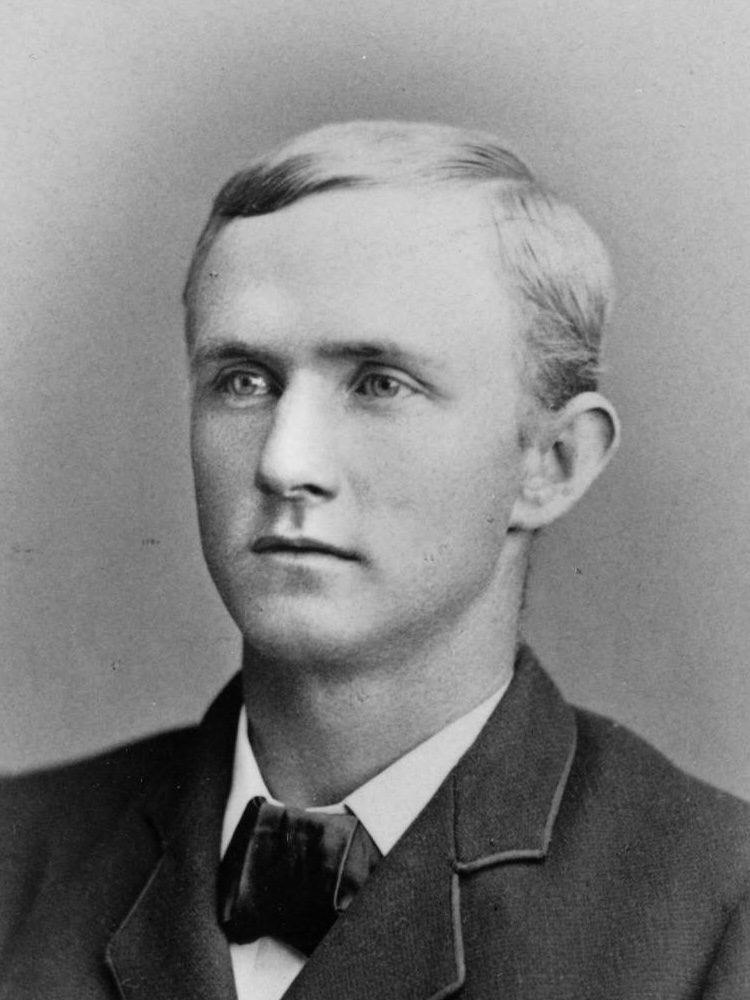
1884
In 1884, Elwood Mead, a professor of civil engineering at what was then Colorado Agricultural College, taught the first course in irrigation engineering in the United States. The field of study was critical to development of irrigated agriculture in the arid West. Mead had such an outsized influence on water management and irrigation that Lake Mead – the largest reservoir in the United States – is named for him based on his contributions to the construction of Hoover Dam on the Colorado River.
Learn more
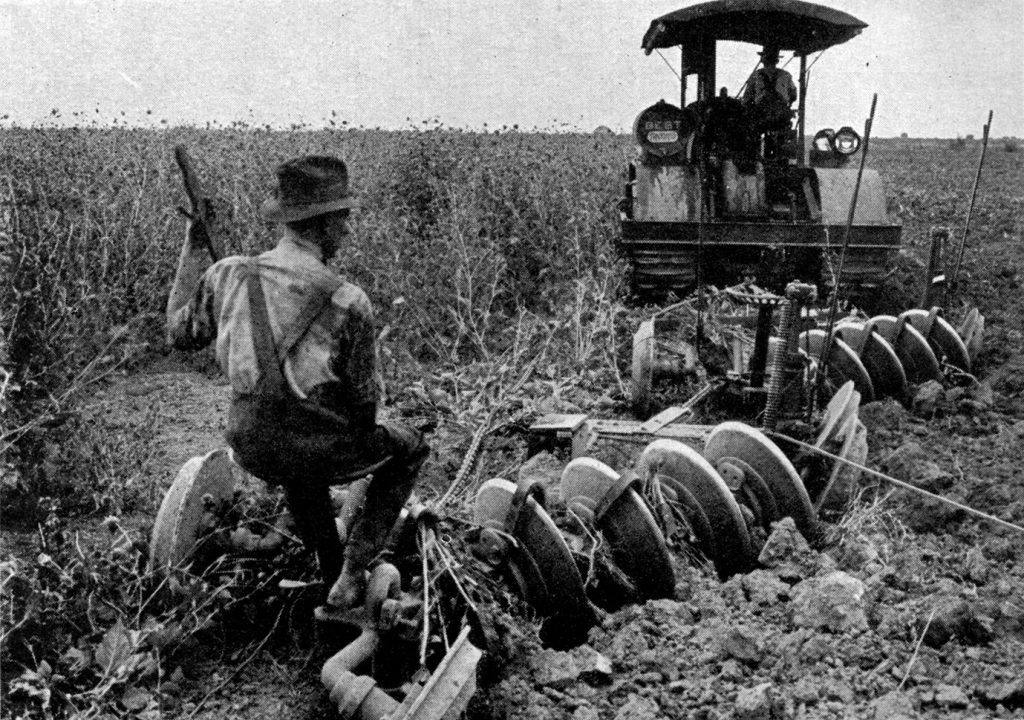
1887
The Agricultural Experiment Stations Act of 1887, commonly known as the Hatch Act, is signed into law.
Learn more
First Annual Convention of the Association of American Agricultural Colleges and Experiment Stations
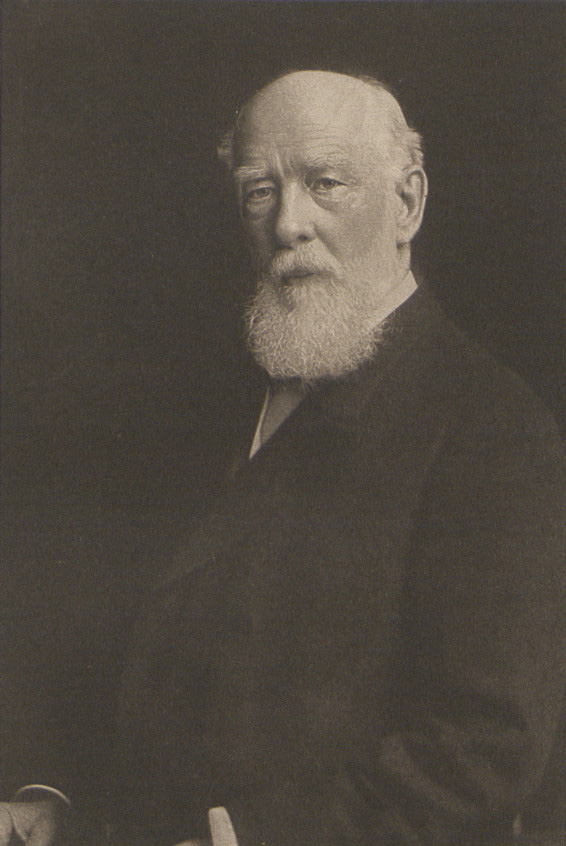
1887
The first annual convention of the Association of American Agricultural Colleges and Experiment Stations is held in Washington, D.C. George W. Atherton, president of Pennsylvania State University, is elected president, and membership is limited to institutions receiving benefits under the 1862 Morrill Act and the 1887 Hatch Act. The association begins coordinated efforts to strengthen federal support for agricultural education and research, including advocacy for what would become the second Morrill Act. This organization would evolve and merge with, eventually becoming the Association of Public and Land-grant Universities (APLU).
Learn more
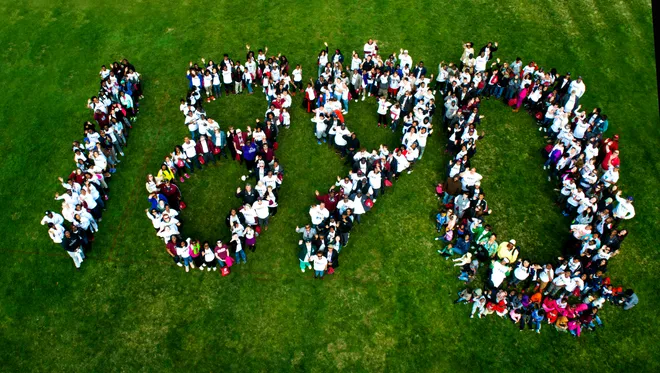
1890
The Morrill Act of 1890 is signed into law, leading to the creation of 17 (19 currently) Historically Black Land-Grant Colleges.
Learn more
1890
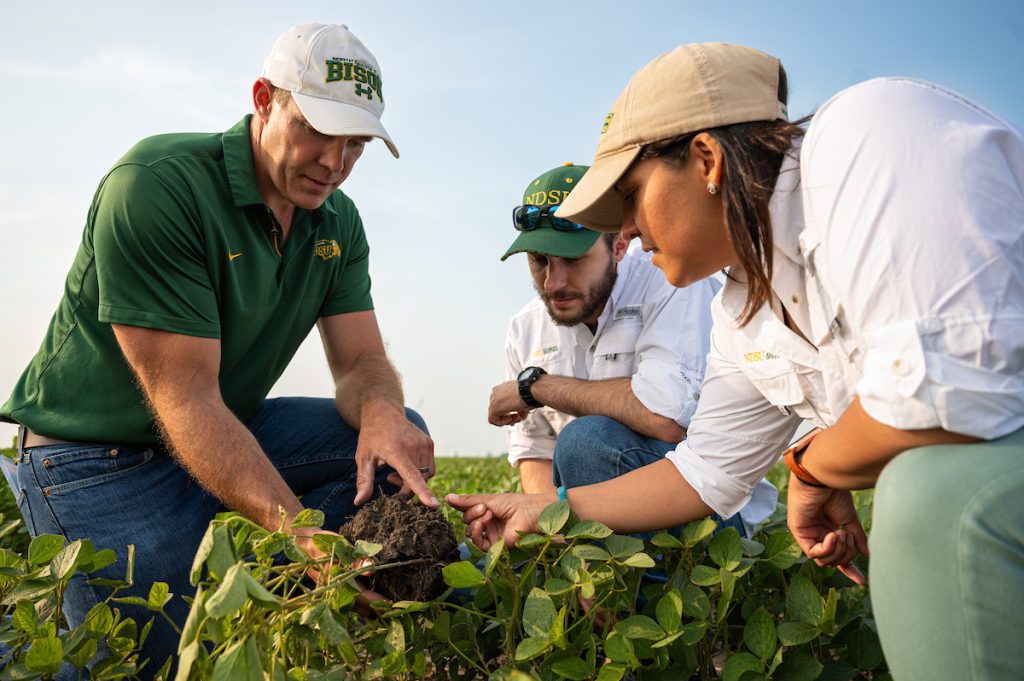
North Dakota State University, founded as North Dakota’s land‑grant institution, established the North Dakota Agricultural Experiment Station in 1890 to advance scientific agriculture. From its earliest years, NDSU researchers led breakthroughs in crop breeding, livestock improvement, soil and water conservation, and plant and animal disease management. With branch stations across the state, their innovations strengthened farming practices throughout the Northern Plains and influenced agricultural research nationwide. This network helped shape modern U.S. agriculture and continues to support national food security.
Learn more
1895
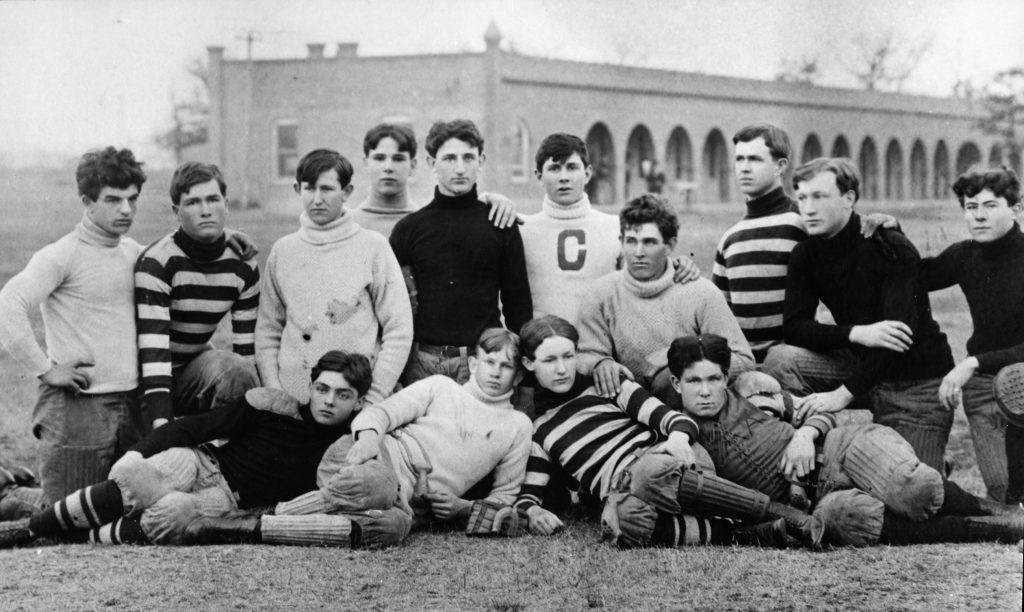
For the last 130 years, the story of The University of Texas at Arlington and the city of Arlington have been entwined. Founded by residents as a solution to the town’s urgent need for educational opportunities—in 1895, the population’s median age was 20 and one-third were under 10—the University has sought to embody an idea articulated by the local newspaper at the time: “Good schools make good towns.” From a primary school to a military academy, from an agricultural junior college to an R-1 university, and even from the Aggies to the Longhorns, UTA has been here to offer education and opportunity to our community.
Learn more
1902
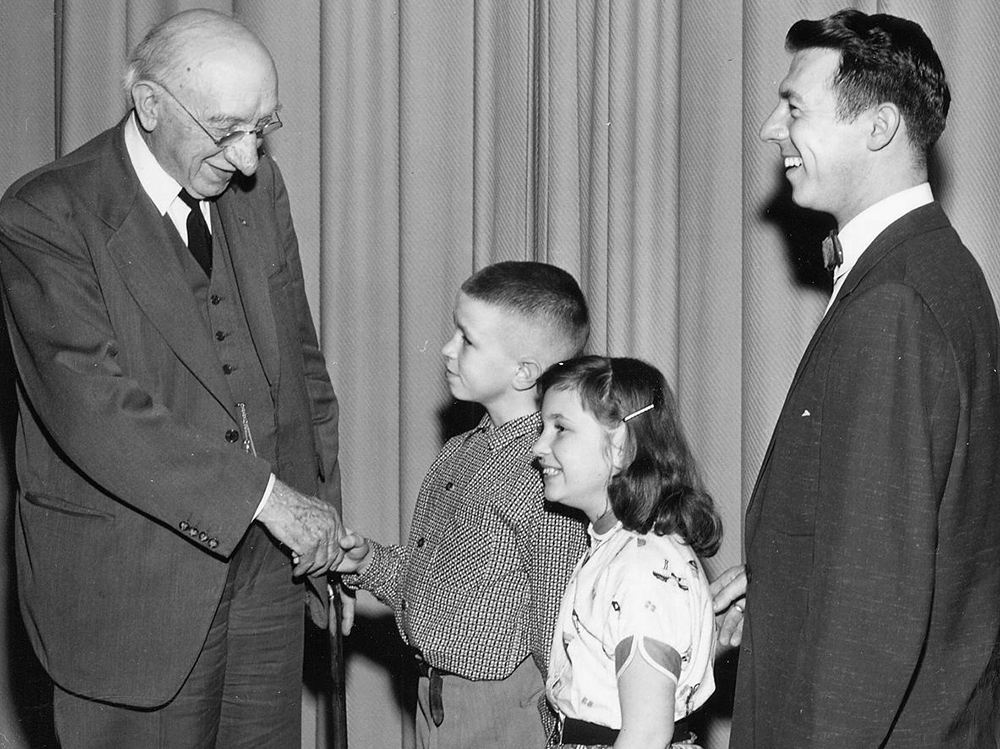
In 1902, Albert Belmont Graham—the first superintendent of Agricultural Extension at The Ohio State University—founded the “Boys and Girls Agriculture Club.” This club, which would eventually become 4-H, laid the foundation for a youth development program centered on hands-on learning in health, science, agriculture and civic engagement. That small program meeting in Springfield, Ohio over 120 years ago has grown into a national movement. Today, 4-H serves nearly 6 million members across rural, suburban, and urban communities in every U.S. state.
Learn more
1905
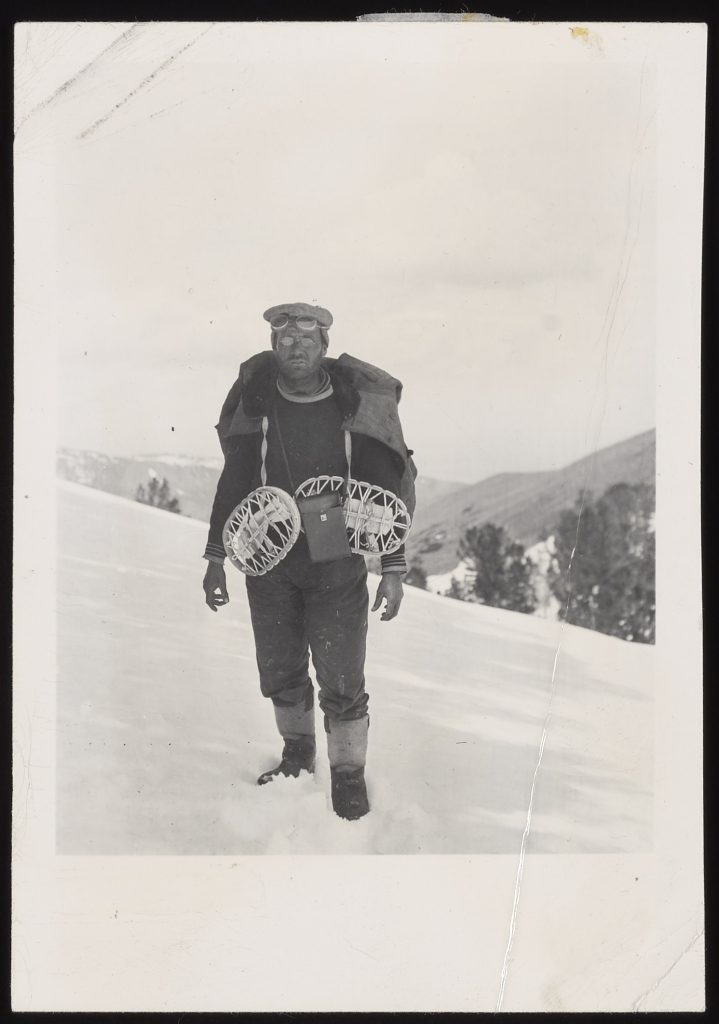
Dr. James E. Church, a faculty member at the University of Nevada for more than 50 years, pioneered the study of snow science with his development of the Mount Rose Snow Sampler. The Mount Rose Snow Sampler, which Church created in 1905-06 as he studied the water density of snow on a mountain near Reno, was a steel tube long enough to reach through snow cover with a scale to weigh the tube and its core of snow. From fixed snow course locations on 10,785-foot Mount Rose, Church’s measurements gave rise to snowpack and water content data critical for the arid areas of the world, particularly in the American West. Church’s accurate system based on statistical data as well as the Mount Rose Snow Sampler itself remains the foundation of today’s study of snow science.
Learn more
1914
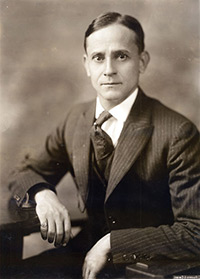
Passed in 1914, the Smith-Lever Act established the Cooperative Extension System, connecting land-grant universities with communities to deliver practical education in agriculture, home economics and youth development. Clemson University’s model became the basis of the Smith-Lever Act through early outreach efforts that brought research directly to farmers and families across South Carolina, boosting yields in an agriculturally driven economy. Clemson’s success demonstrated how universities could translate knowledge into real-world impact, shaping a national framework that continues to support innovation, economic growth and community well-being in every state.
Learn more
1914
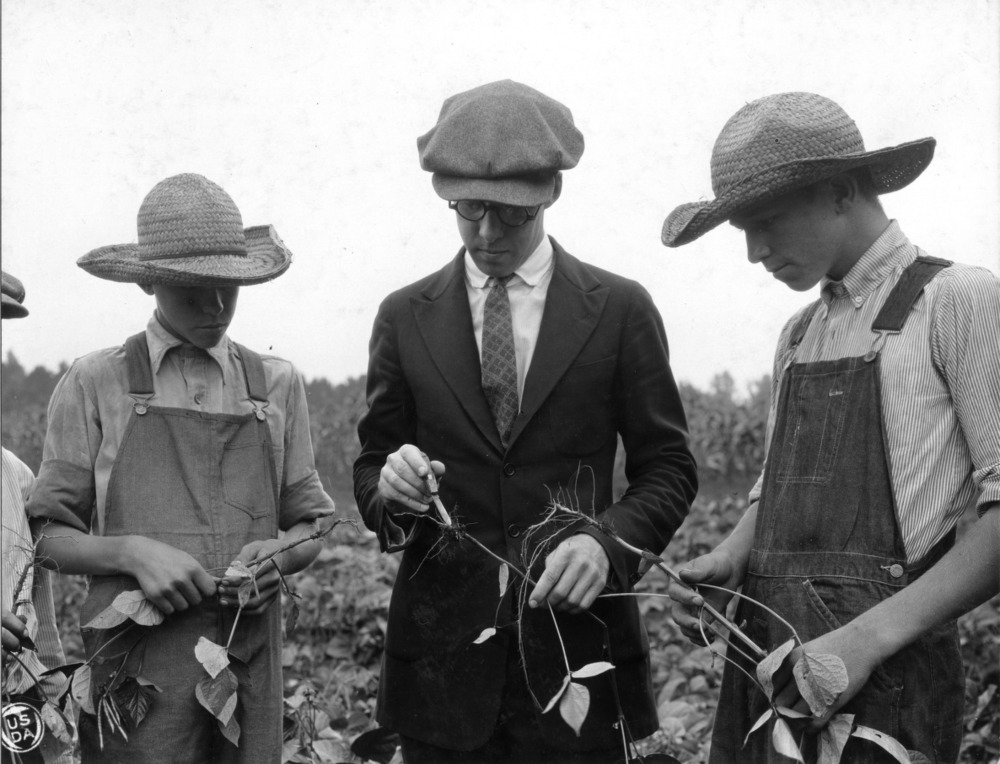
The Smith-Lever Act is signed into law, providing federal support for land-grant institutions to offer instruction beyond their campuses through Cooperative Extension efforts in agriculture and home economics.
Photo Credit: University Archives Photograph Collection. Oversize photographs (UA023.030), Special Collections Research Center at NC State University Libraries
Learn more
1922
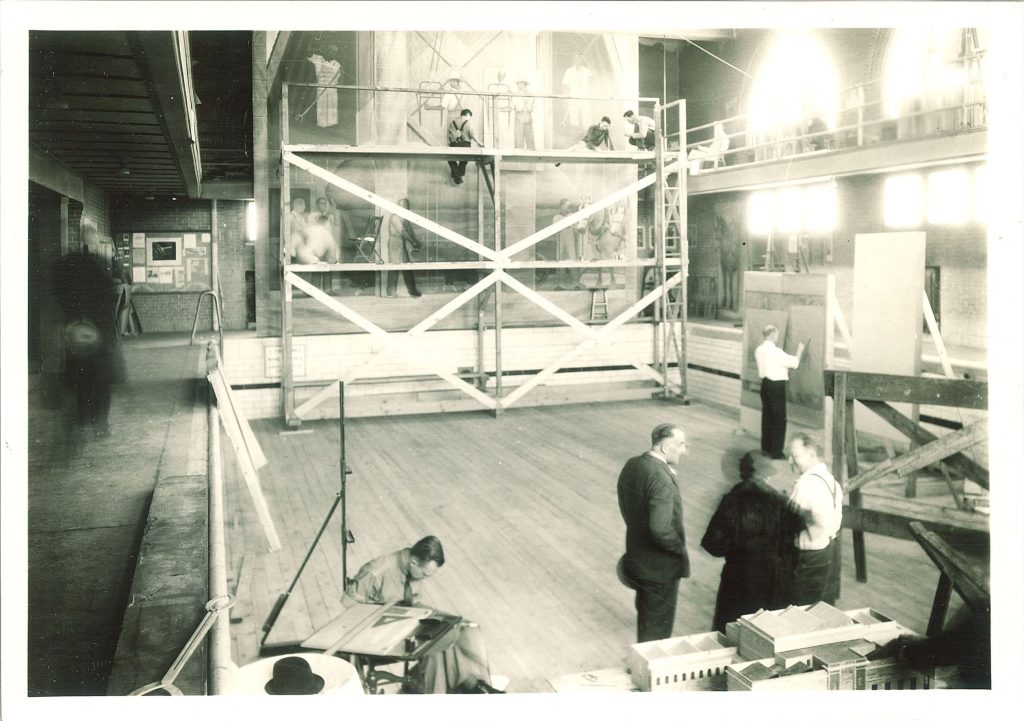
In 1922, the University of Iowa became the first major American university to grant graduate degrees in the fine and performing arts based on original creative work rather than a traditional written thesis. This groundbreaking shift recognized artistic creation as a form of scholarly discovery and expanded access to advanced education for generations of artists, writers, musicians, and performers. The innovation became known as the Iowa Idea, a model that transformed graduate arts education nationwide and reinforced the role of public universities in advancing opportunity, creativity, and new forms of knowledge that enrich communities and culture across the United States.
Learn more
1923
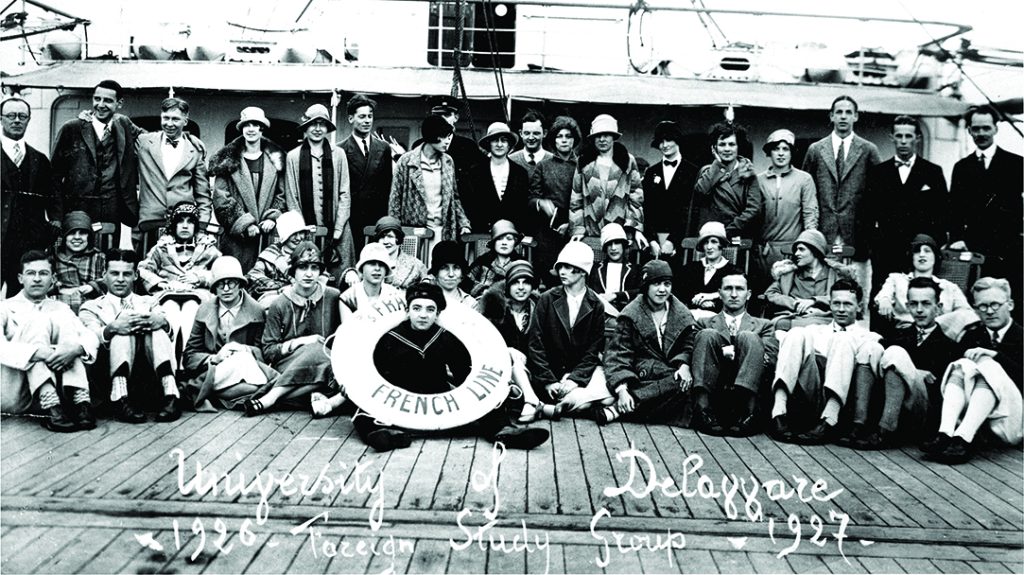
Raymond Kirkbride — a World War I veteran and later a Modern Languages instructor at the University of Delaware — believed that extended “foreign study” would build students’ cross-cultural understanding and, in a small way, help promote a more peaceful world. So, on July 7, 1923, Kirkbride led eight UD students to France for their junior year, launching the nation’s first for-credit study-abroad program. Today, UD remains an innovator in global education, offering 100+ programs around the world as well as the World Scholars Program, which earned NAFSA’s Senator Paul Simon Spotlight Award for Campus Internationalization.
Learn more
1927
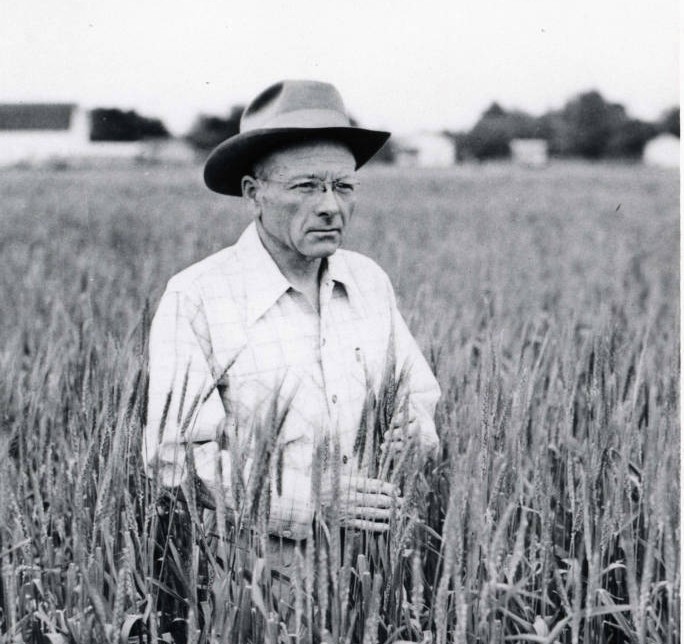
Stem and leaf rusts had plagued farmers since bread wheat was cultivated on the shores of the Caspian Sea 10,000 years ago. That was until Edgar McFadden, a South Dakota State University undergraduate, successfully crossed two wheat plants to create “Hope,” a rust-resistant variety that allowed U.S. farmers to exponentially raise wheat production following its release in 1927. Reader’s Digest estimated that McFadden’s agriculture innovation saved American farmers $400 million and prevented over 25 million people from starvation. Many historians credit Hope with helping fuel the Allies to victory in World War II. At SDSU, McFadden’s legacy lives on. The university recently installed a McFadden sculpture to inspire students, staff and faculty for generations to come.
Learn more
1929
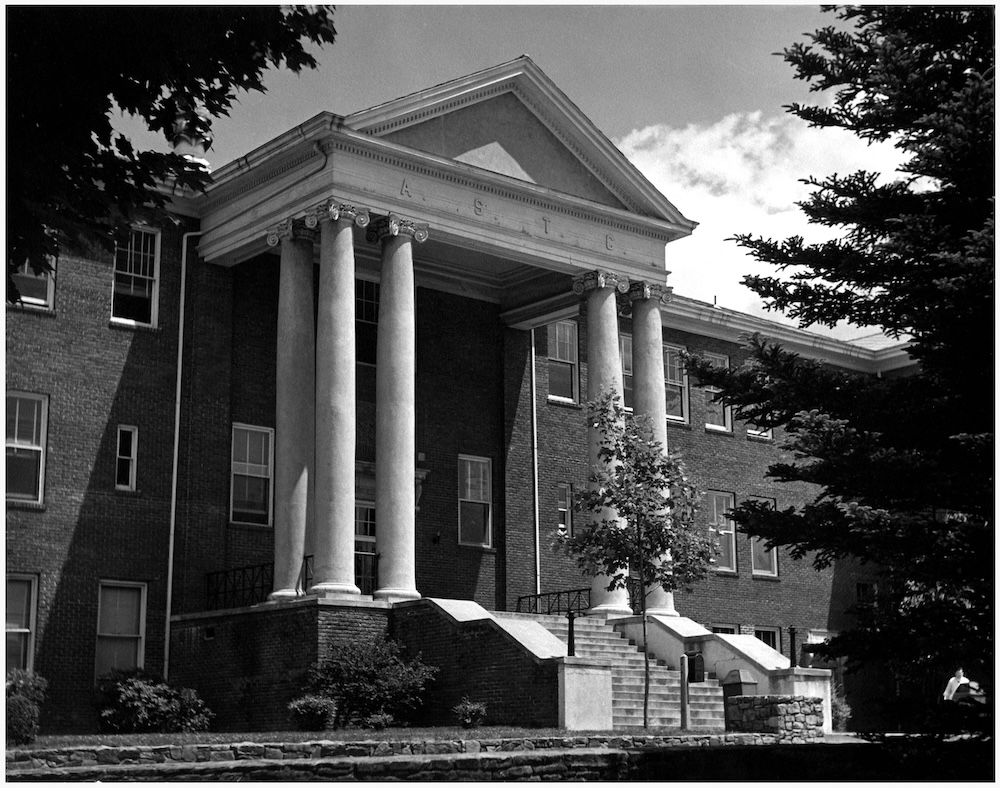
From 1919-1929 a tiny learning academy with an ambitious vision — to bring access to education for children in the “lost provinces” of North Carolina — responded to a post-WWI teacher shortage. Focusing its curriculum, the school began offering two-year college courses, earning accreditation from the American Association of Teachers’ Colleges and Normal Schools. In 1929, with approval from the state legislature, the school became a four-year college, and for nearly 4 decades, Appalachian State Teachers College set statewide standards for teacher preparation excellence, with on-site learning labs ranging from preschool through high school, before becoming Appalachian State University in 1967.
Learn more
1930
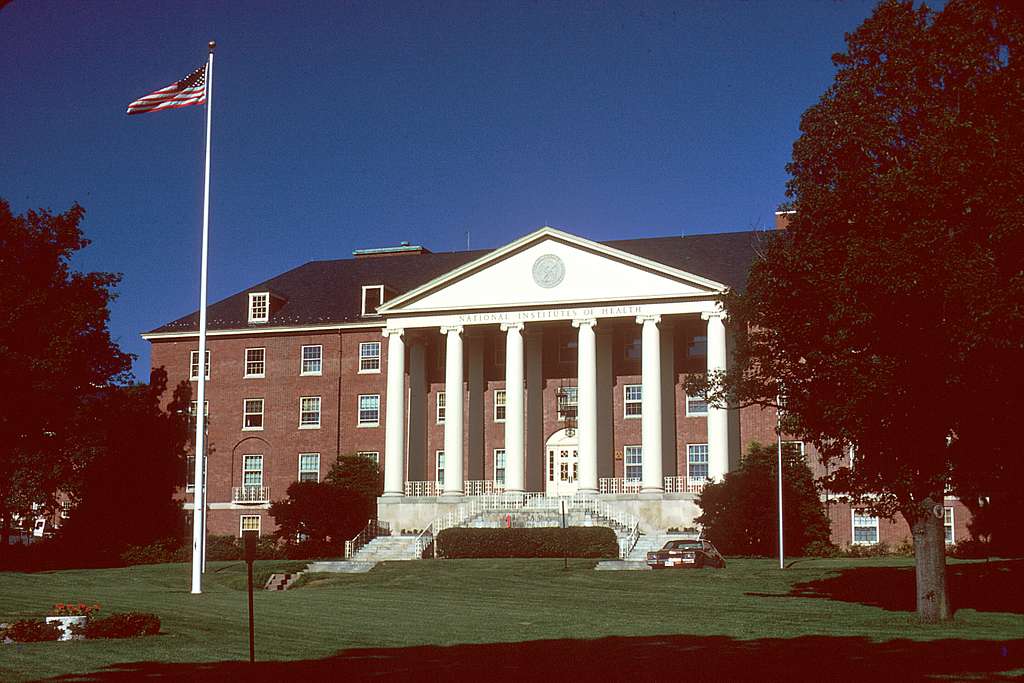
The Ransdell Act is signed into law, authorizing the National Institute of Health (later expanded to the National Institutes of Health).
Learn more
1933
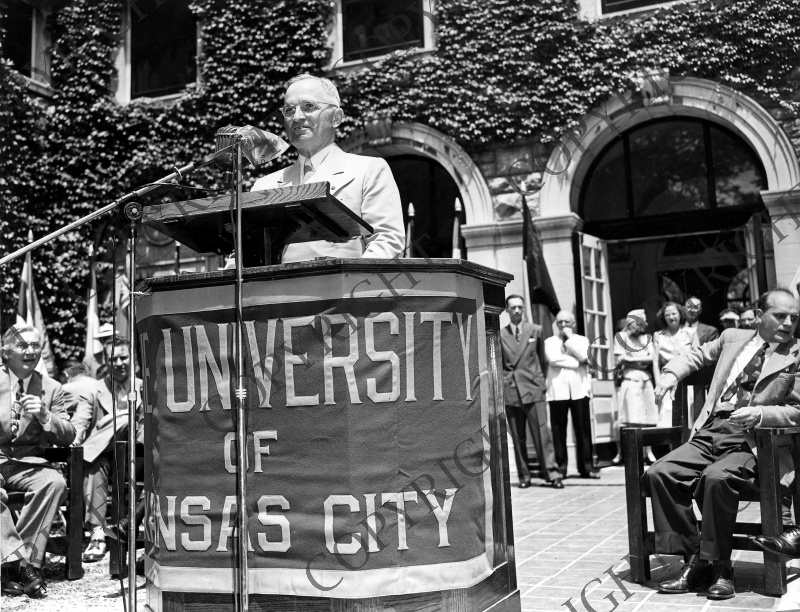
On Oct. 1, 1933, nearly 2,000 civic leaders and community members gathered to celebrate the opening of an institution that we now know as the University of Missouri-Kansas City, launching a vital force in shaping the region’s future. Among its distinguished alumni are President Harry Truman and Supreme Court Justice Charles Whittaker, while its kangaroo mascot was drawn by Walt Disney. Since joining the University of Missouri System in 1963, UMKC has grown into a nationally recognized urban research university. Today, UMKC is Kansas City’s only Carnegie R1 and NCAA Division I university, driving innovation, opportunity and economic growth through programs in the health sciences, business, engineering, education, humanities and law.
Learn more
1937
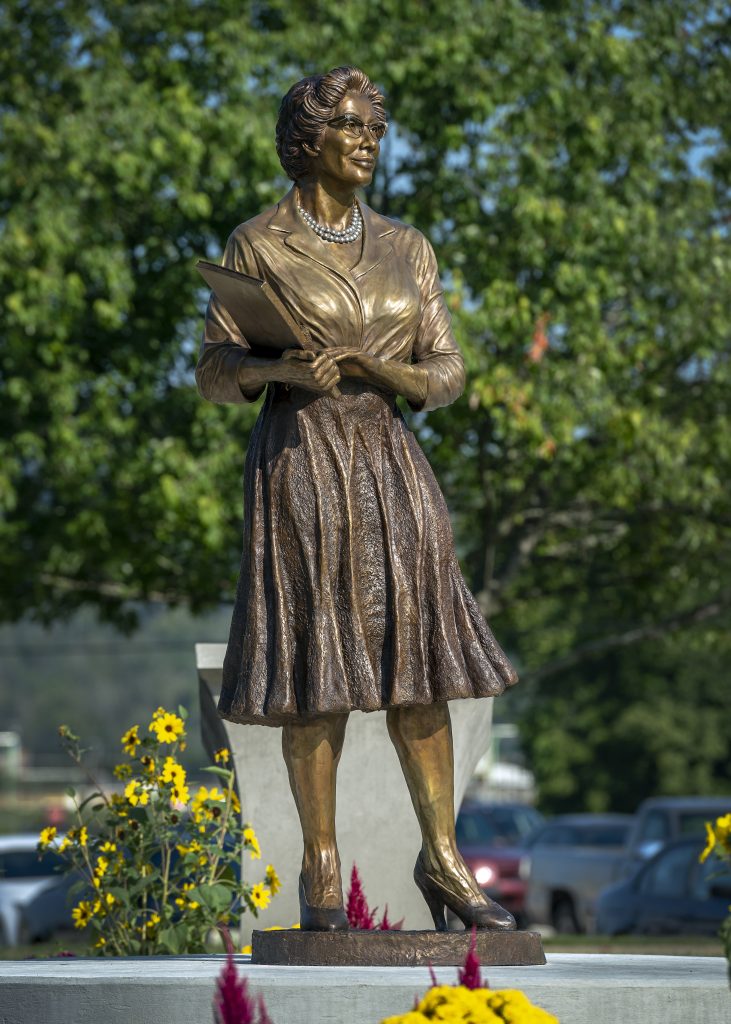
Katherine Johnson graduated summa cum laude from West Virginia State University (then West Virginia State College) in 1937 at the age of 18 with bachelor’s degrees in mathematics and French. Johnson went on to become a pioneer in American space history at NASA, where she calculated the trajectory for Alan Shepard, the first American in space. Her mathematical calculations influenced every major space program from Mercury through the Shuttle program. Her story became the basis for the successful book and film Hidden Figures and, in 2015, she received the Presidential Medal of Freedom, the highest award that can be bestowed upon a civilian. Her legacy lives on at West Virginia State University through the Katherine Johnson Scholarship, benefiting students majoring in STEM fields, and with a life-sized memorial bronze statue on campus.
Learn more
1939
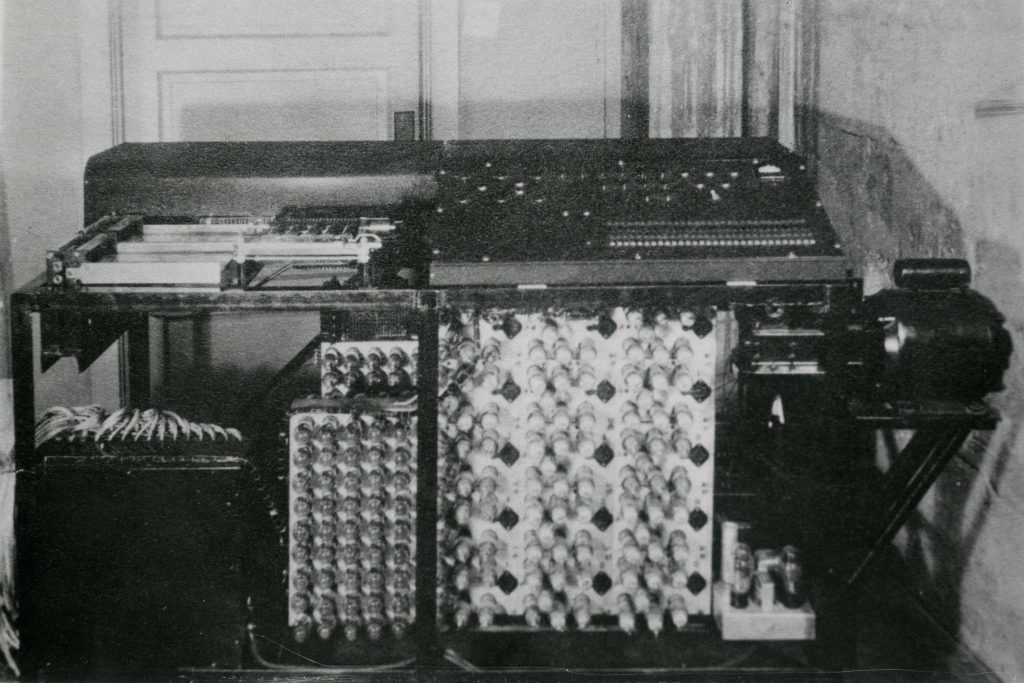
The first electronic digital computer was built at Iowa State University. The machine, developed from 1939 to 1942, was the work of John Vincent Atanasoff, professor of physics and mathematics, and Clifford Berry, a graduate student. The Atanasoff-Berry Computer (ABC) was the first to use innovations that remain a part of today’s computers, including a binary system; separate memory and computing functions; regenerative memory; parallel processing; electronic amplifiers as on-off switches; circuits for logical addition and subtraction; clocked control of electronic operations; and modular design. The 750-pound ABC featured rotating drums for memory, glowing vacuum tubes and a read/write system that recorded numbers by scorching marks on cards.
Learn more
1940
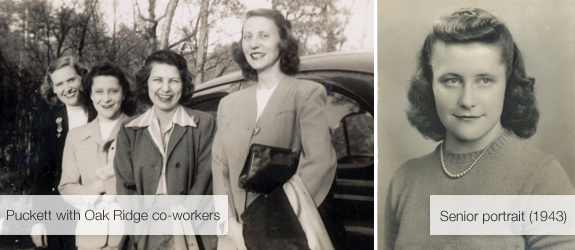
The University of Tennessee, Knoxville’s partnership with Oak Ridge National Laboratory fueled an era of American research innovation. UT physicist William Pollard conducted research into a gaseous diffusion extraction method of uranium-235 from uranium to build the world’s first atomic bomb. At Y-12 National Security Complex, UT’s first statistics graduate, Jane Puckett, managed the compilation of data and the calculations of the percentage of uranium-235 obtained during the isotope separation process in which Pollard and other researchers were involved. Faculty from the university also taught safety courses for Manhattan Project workers in the early years. The decades-long partnership between the national lab and UT Knoxville continues to drive innovation and discovery today.
Learn more

1940
UC Riverside’s leadership in air pollution research began in the 1940s when scientists at the Citrus Experiment Station linked mysterious crop damage to photochemical smog. Beginning in the 1950s, founding UCR professor and air pollution pioneer James Pitts utilized massive smog chambers to revolutionize our understanding of the toxic photochemical reactions occurring in our atmosphere. He established UCR’s Air Pollution Research Center (SAPRC) and served as director for 18 years. While Pitts’ fundamental research provided the scientific backbone for California’s landmark air quality regulations, another SAPRC scientist, John Middleton, became the first director of the National Air Pollution Control Administration (a precursor to today’s EPA). This work continues at UCR’s Center for Environmental Research & Technology (CE-CERT).
Learn more
1941
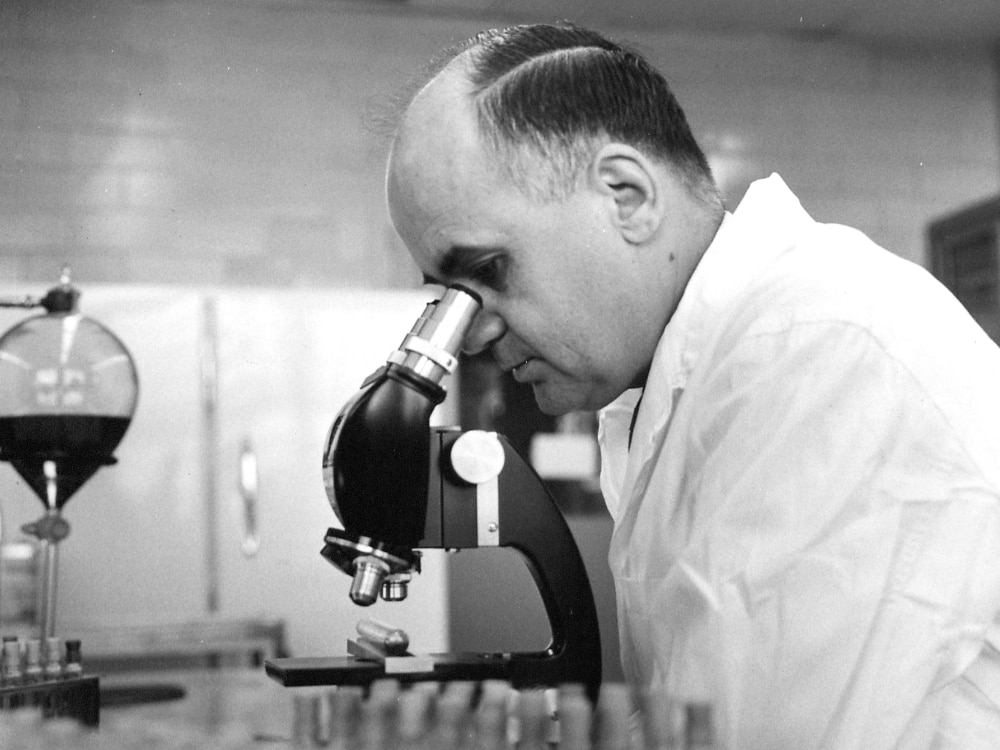
Maurice Hilleman graduated in 1941 from Montana State University with degrees in chemistry and microbiology. Over the next four decades, Hilleman became the world’s leading vaccinologist, developing more than 40 important vaccines, such as ones for measles, mumps, hepatitis A, hepatitis B, meningitis and pneumonia – including eight of the 14 vaccines commonly given to children. Hilleman’s name is often mentioned with Salk and Pasteur as pioneers who fundamentally changed human health, and when he died in 2005, scientists quoted in The New York Times credited Hilleman with probably saving more lives than any other person in the 20th century.
Learn more
1944
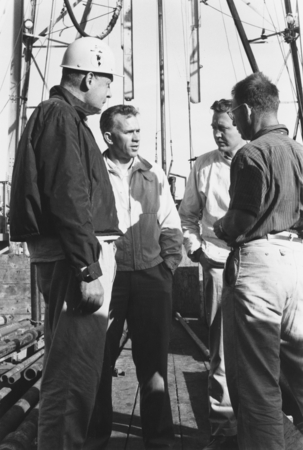
Did you know UC San Diego ocean science helped make D-Day a success? In the final hours before the invasion of Normandy, Scripps Institution of Oceanography oceanographers and meteorologists advised Allied commanders to postpone the landing for 24 hours. Their analysis predicted a brief window of favorable conditions that allowed thousands of troops to land on the beaches of Normandy in one of the most consequential operations in modern history.
Learn more
1944
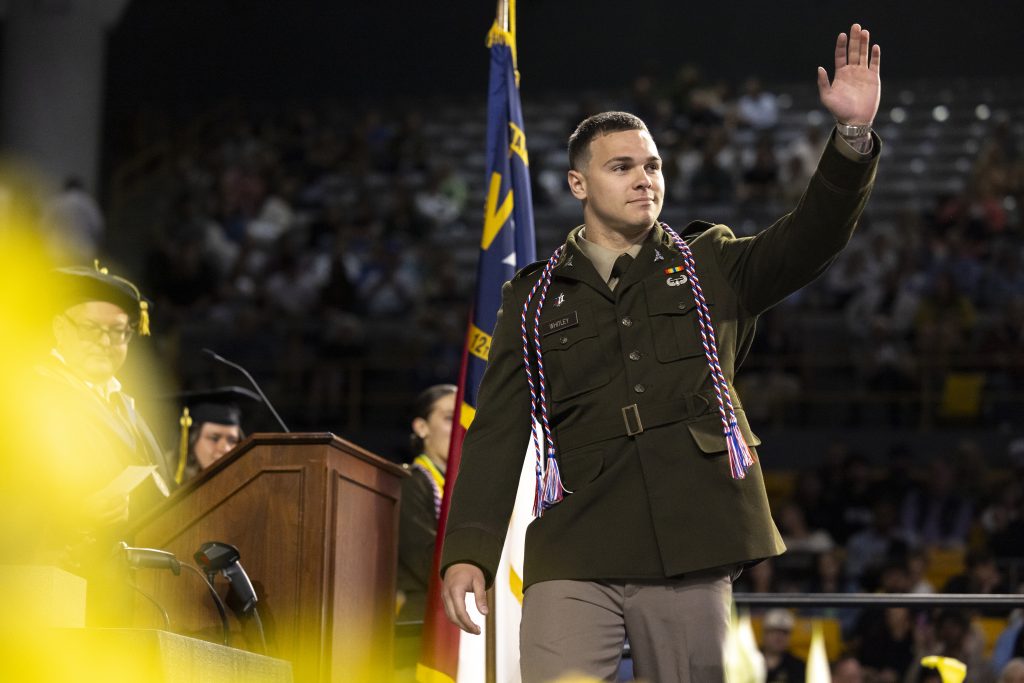
The G.I. Bill is signed into law, providing tuition, subsistence, books and supplies, equipment, and counseling services for veterans to continue their education in school or college.
Learn more
1948
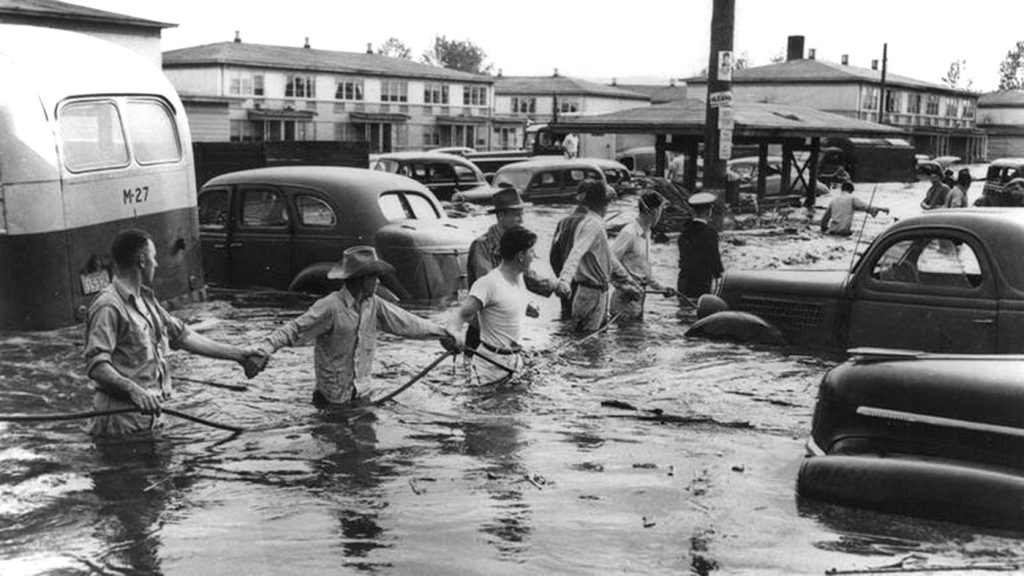
Vanport, a purpose built city between Portland, OR and Vancouver, WA, housed shipyard workers from across the country. After World War II, it provided housing to many veterans and the Vanport Extension Center was established to educate them. In 1948, a flood wiped the city off the map in a matter of hours, displacing the nascent college and thousands of residents. Vanport College eventually found a new home in the heart of downtown Portland where it grew to become Portland State University — Oregon’s public urban research university, known for its diverse student population and equitable access to educational excellence.
Learn more
1948
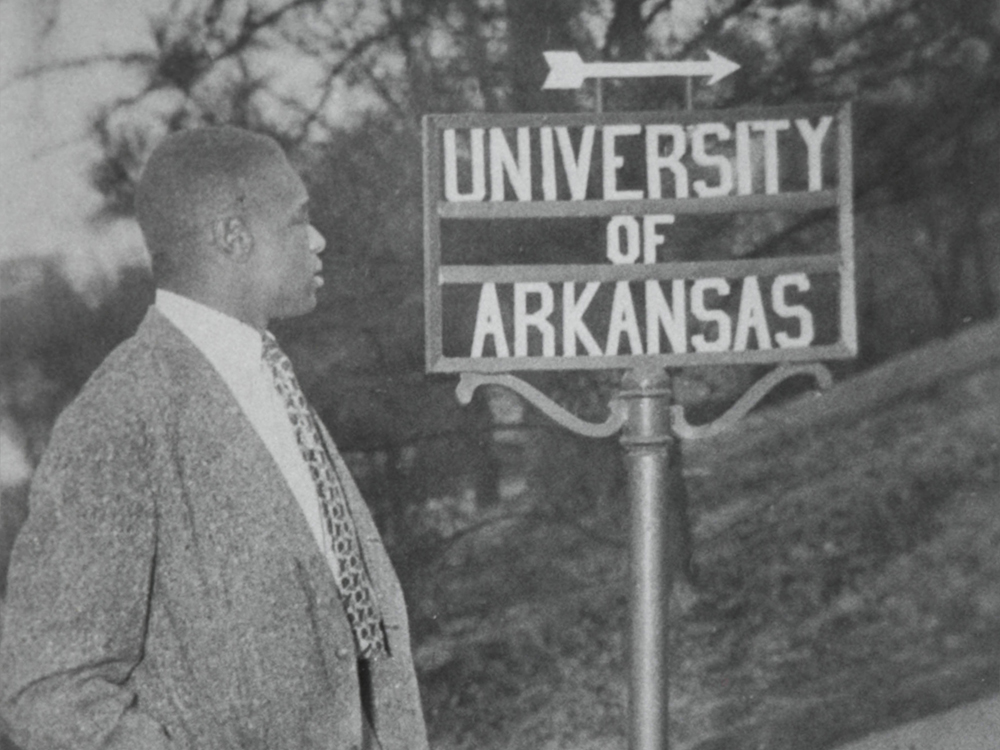
Silas Herbert Hunt, a veteran of World War II, started the integration of colleges and universities across the South, when he was admitted to the University of Arkansas School of Law in 1948, becoming the first African American student to enroll in a white Southern university since the Reconstruction era. Hunt was required to take classes separately from the white students’ class, meeting with faculty members in a basement office of the Law School building. Sadly, he had to withdraw from school before graduating due to complications brought on by pulmonary tuberculosis. He died in 1949. Hunt was posthumously awarded a law degree by the School of Law in 2008 on the 60th anniversary of his enrollment. The university’s admissions building, Silas G. Hunt Hall, is named for him, and there’s a sculpture on campus recognizing his achievements.

1950
The National Science Foundation Act is signed into law, creating the National Science Foundation.
Learn more
1952
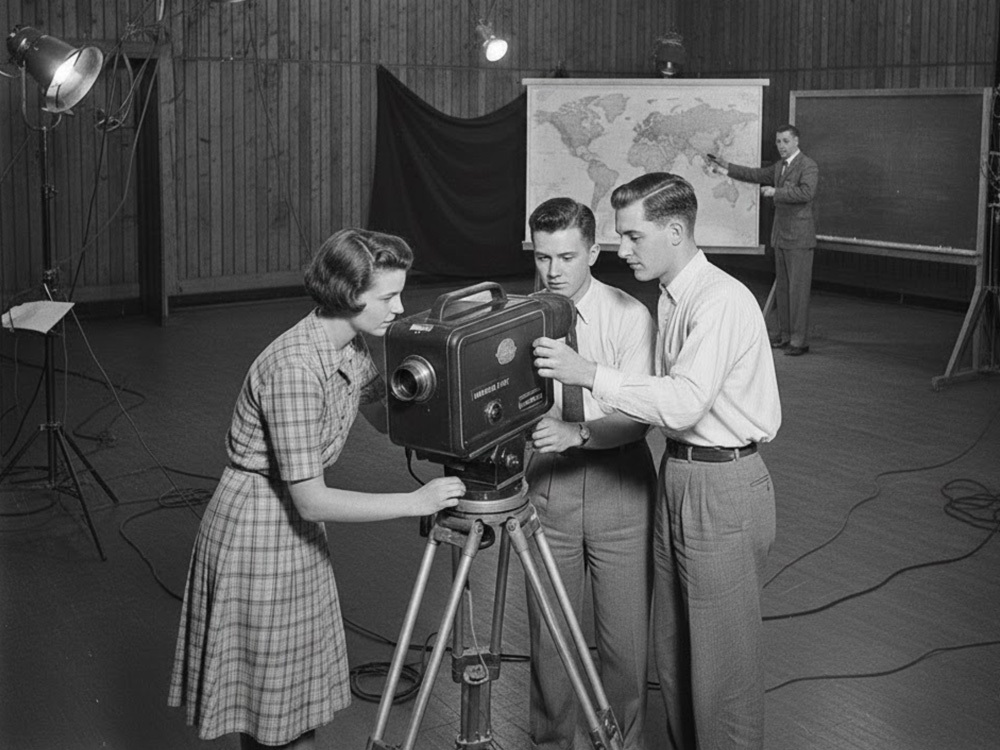
On April 30, 1952, Montclair State Teachers College (now Montclair State University) achieved a global milestone in media history by broadcasting the first full day of instructional television programmed specifically for public school classrooms. In a gymnasium and a former bowling alley converted into a professional-grade studio, students and faculty used DuMont UHF equipment to beam eight hours of live lessons to thirteen local schools. While shorter educational segments had been aired before, this landmark broadcast proved that television could sustain a comprehensive, day-long curriculum, establishing the basis for widespread educational use of television.
Learn more
1952
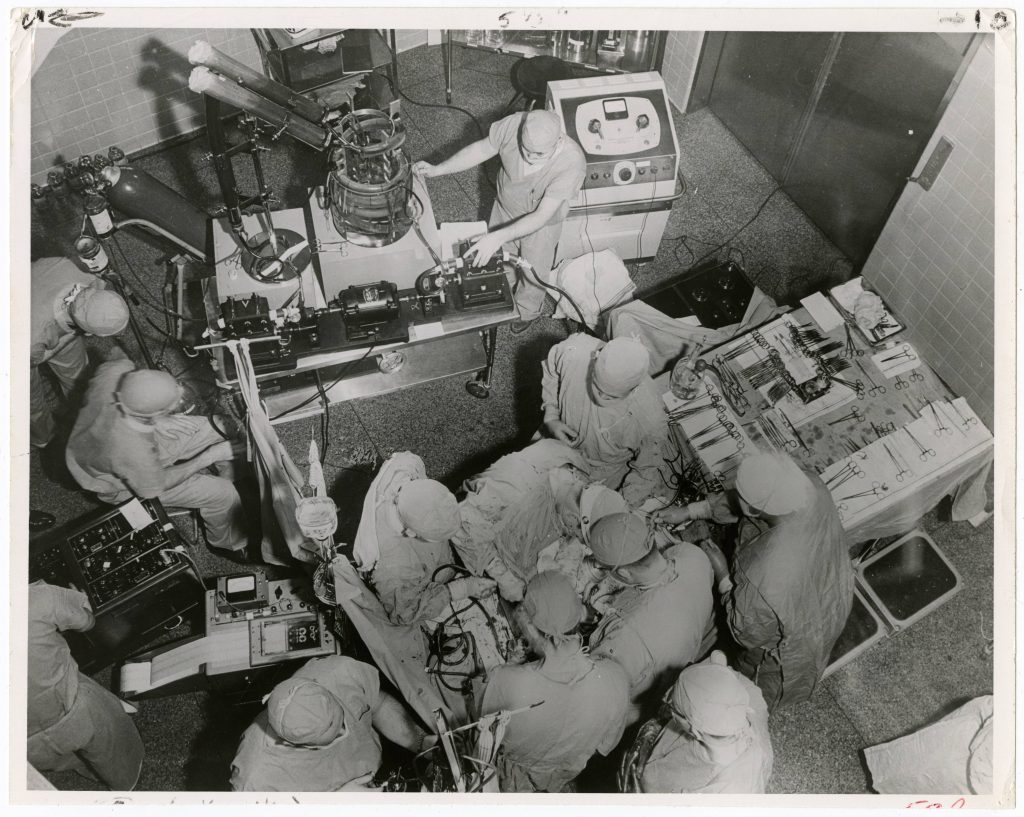
In 1952, University of Minnesota surgeons performed the world’s first successful open-heart surgery using controlled hypothermia, allowing doctors to safely stop a patient’s heart to repair a congenital defect. Led by Dr. C. Walton Lillehei and Dr. F. John Lewis, this breakthrough transformed cardiac care and helped launch the field of open-heart surgery worldwide. The University’s pioneering work in cardiac innovation continued in 1957 with the development of the first wearable external pacemaker, further cementing Minnesota’s role as a global leader in life-saving medical advances.
Learn more
1955
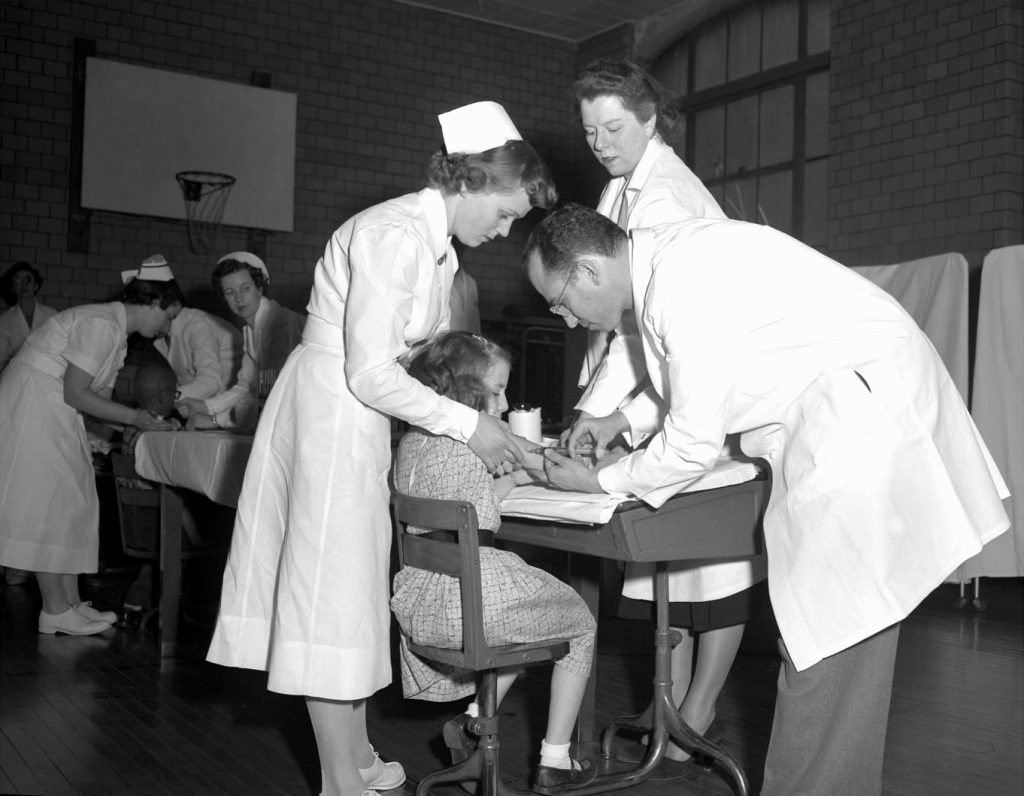
The University of Pittsburgh served as the home of one of the most significant public health breakthroughs in modern history, when a team led by Jonas Salk developed the first safe and effective polio vaccine. Clinical trials from 1954-55 confirmed its effectiveness, leading to its introduction nationwide in April 1955. The resulting mass immunization campaign rapidly reduced polio cases across the United States and beyond, and the “shot heard around the world” established Pitt’s enduring legacy as a global leader in lifesaving biomedical research, embodying the spirit of innovation that defines what’s possible at Pitt.
Learn more
1955
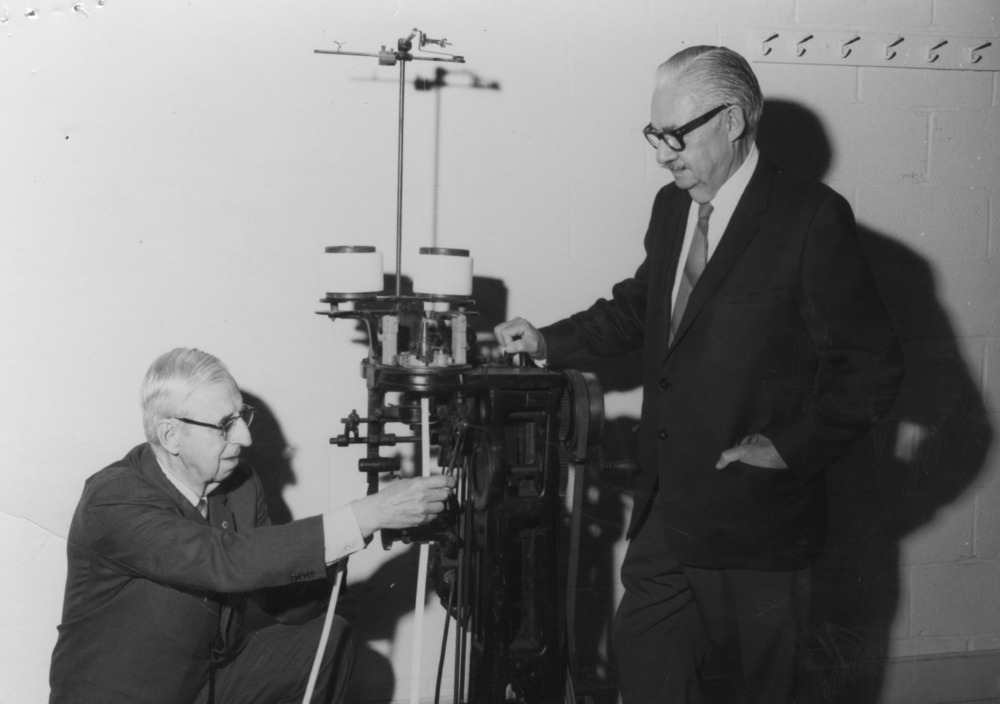
In 1955, NC State’s Wilson College of Textiles professor William Edward Shinn used a necktie-knitting machine to develop the world’s first synthetic aorta, launching the institution into the field of medical care and saving the lives of millions globally. Some 70 years later, the nation’s only textiles school remains at the forefront of developing cutting-edge tools to diagnose, treat and prevent critical medical conditions. We have mirrored pioneering research with colleagues at the University of North Carolina at Chapel Hill and the First Affiliated Hospital of Zhengzhou University to develop synthetic cardiac stem cells.
Learn more
1955
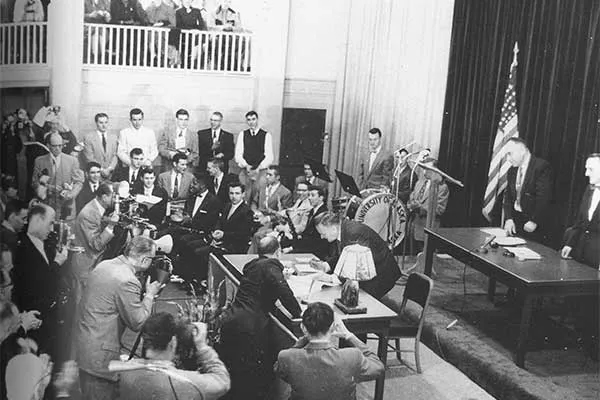
On November 8, 1955, 55 elected delegates convened at the University of Alaska in Fairbanks to draft a constitution for the proposed state of Alaska. Delegates met in the Student Union Building and the gymnasium, today known as Constitution Hall and Signers’ Hall, for 76 days of discussion and deliberation. The resulting document, signed by convention president William (Bill) Egan on February 5, 1956, is widely regarded as a model state constitution produced by a model convention, and it cleared the path for Alaska’s admission as the 49th state on January 3, 1959.
Learn more
1958
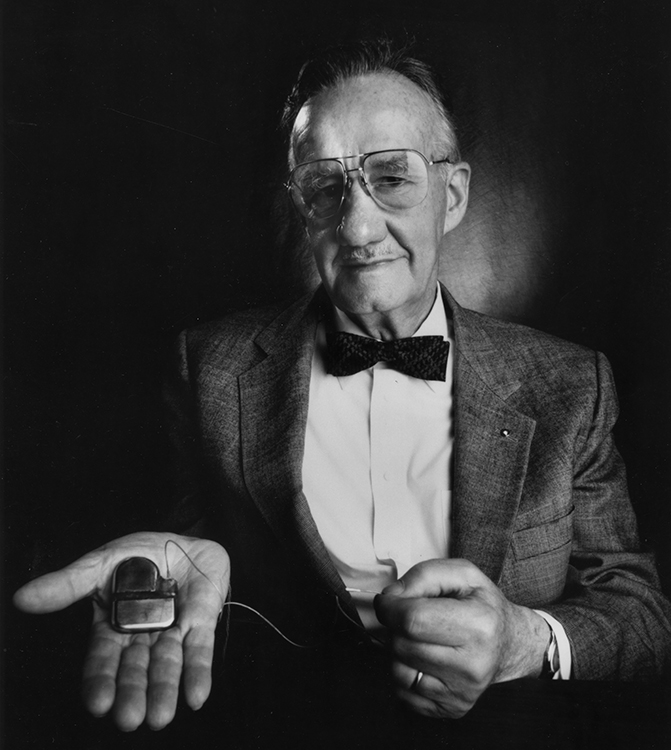
In 1958, engineer Wilson Greatbatch—working while teaching at the University at Buffalo—accidentally created the circuitry that led to the first practical implantable cardiac pacemaker. Collaborating with UB-affiliated physicians and regional industry, Greatbatch refined the device into a life-saving technology that transformed cardiac care worldwide. Millions of patients now live longer, healthier lives because of implantable pacemakers—an enduring example of how research connected to UB helped redefine modern medicine and improve quality of life across generations.
Courtesy of University Archives, University at Buffalo, State University of New York.
Learn more
1958

1958
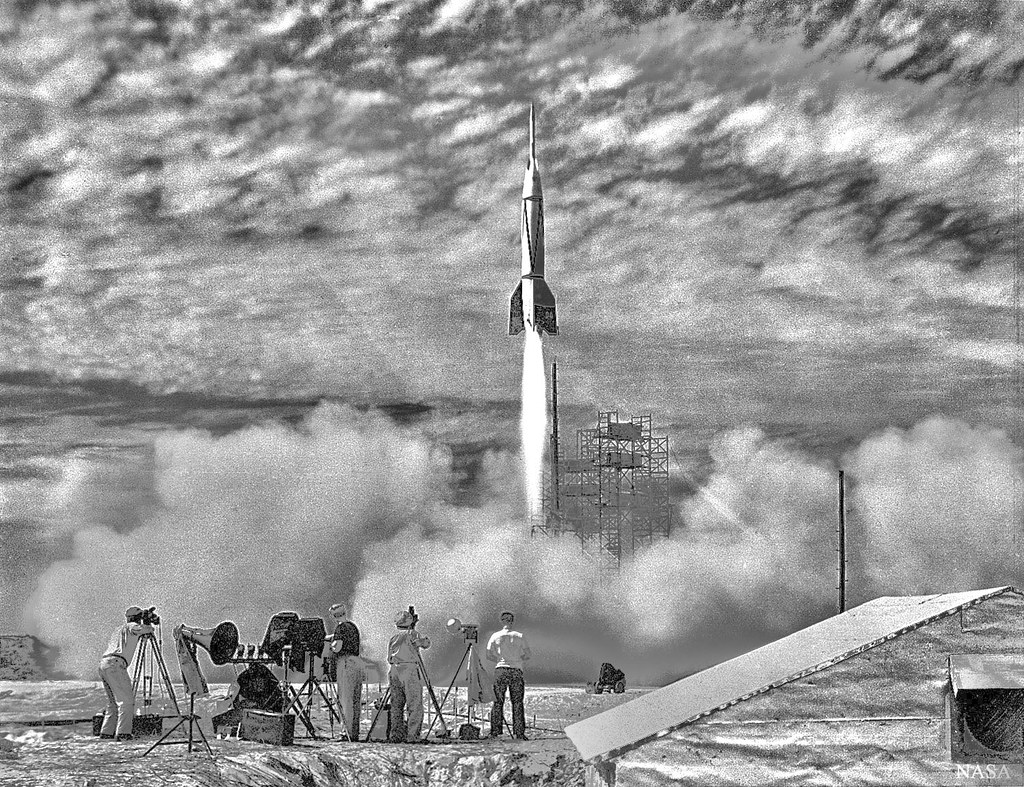
The National Defense Education Act is signed into law, bolstering U.S. science, mathematics, and foreign language training.
Learn more
1959
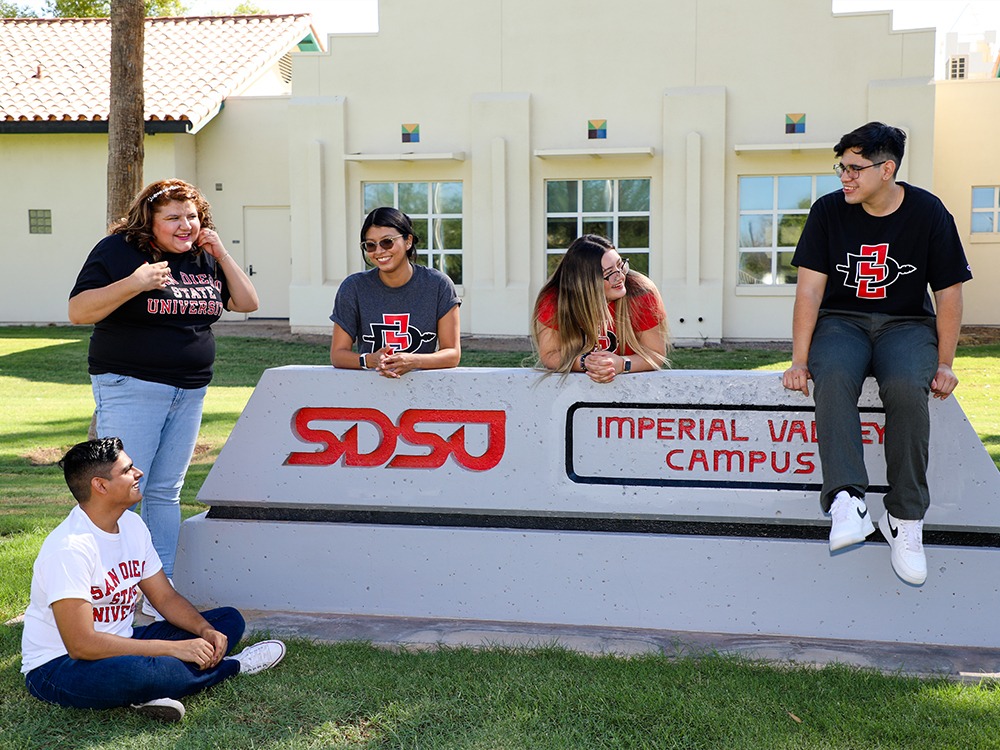
With the creation of SDSU Imperial Valley, the university expanded access to high-quality public higher education in a historically underserved region of California. The campus strengthens regional economic development, teacher preparation and workforce pathways, reflecting SDSU’s land-grant-aligned commitment to community-centered education.
Learn more
1960
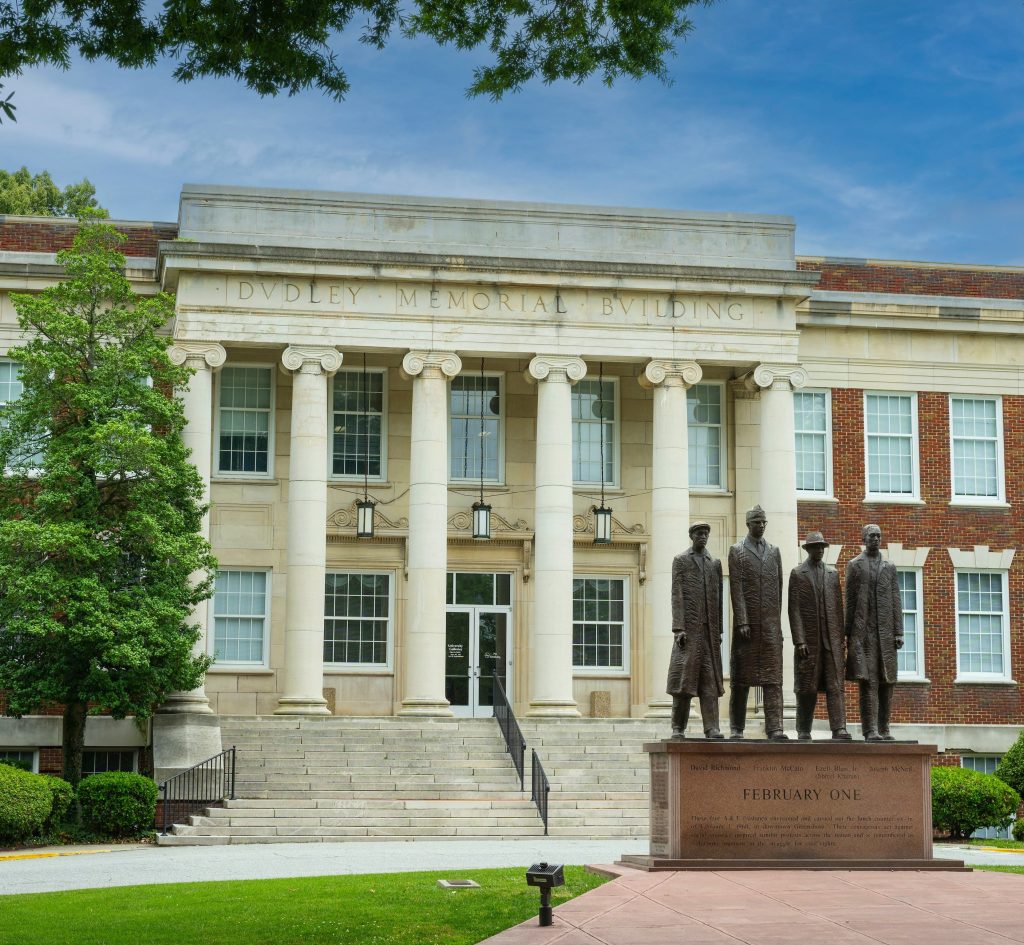
In 1960, four Black North Carolina A&T State University teen-aged freshmen walked the mile from campus to the downtown Greensboro Woolworth, sat down at its segregated lunch counter and requested service. They were refused, but undeterred, and returned the following day, and the day after that. The A&T Four’s simple act of non-violent protest kicked off hundreds of sit-ins across the South, energizing the Civil Rights Movement at a critical ebb. They not only overturned lunch counter policies across the country, but ensured that protection against discrimination in public accommodations was enshrined in the 1964 U.S. Civil Rights Act. Photo credits to Jack Moebes/Corbis.
Learn more
1962
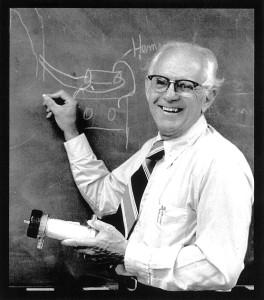
Belding Scribner, a UW medicine professor, came up with the idea of implanting a Teflon shunt in patients with kidney failure. This allowed repeated, long-term use of dialysis machines that clean the blood, extending the lives of kidney patients significantly. Engineering Professor Albert Babb then helped invent a home dialysis machine.
Learn more
1963
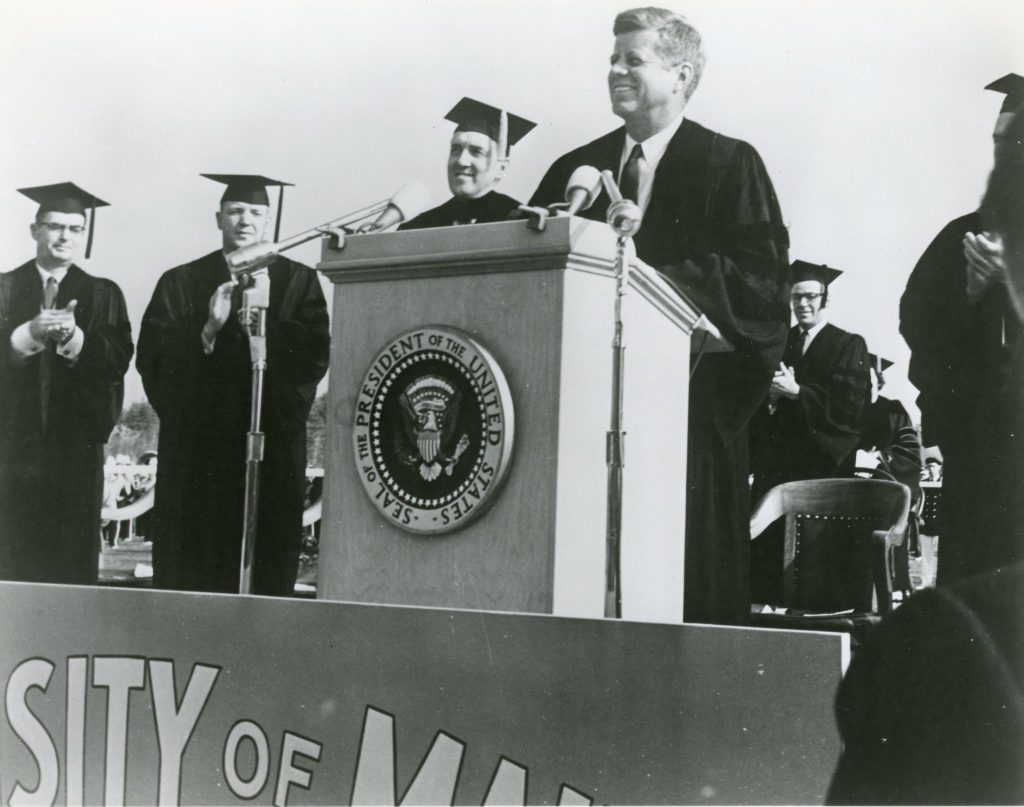
On Oct. 19, 1963, John F. Kennedy delivered the last major foreign policy speech of his presidency at the University of Maine, becoming the first sitting U.S. president to visit the campus. Speaking before 15,000 people on the university’s football field during homecoming weekend, he emphasized higher education, America’s global responsibilities, nuclear test ban efforts and the emerging space race. Kennedy arrived by helicopter after landing at Dow Air Force Base in Bangor. The university conferred upon him an honorary Doctor of Laws degree. Thirty-four days later, Kennedy was assassinated in Dallas.
Learn more
1964
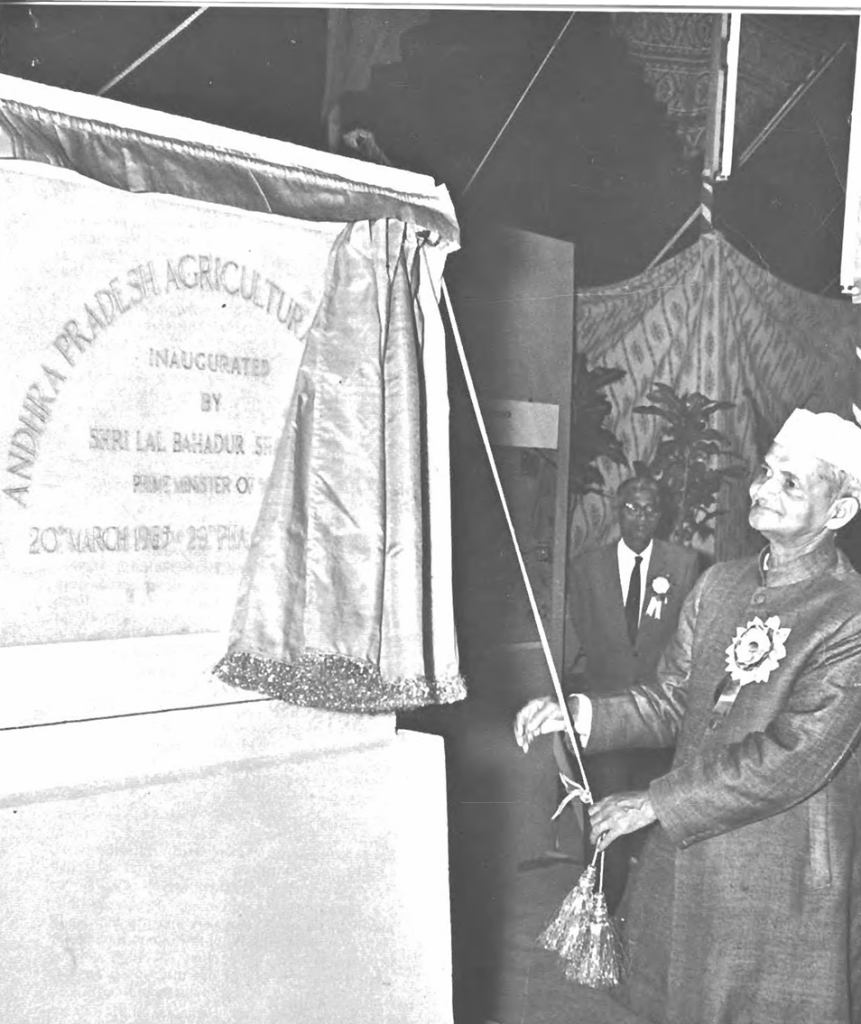
In the 1960s, Kansas State University carried its land-grant promise from the prairie to India, helping shape a new model for agricultural education, research and extension. Through a two-decade collaboration, K-State faculty and partners helped build Andhra Pradesh Agricultural University, now Acharya N.G. Ranga Agricultural University, as India adapted the U.S. land-grant idea to strengthen food systems and rural opportunity. The work reflected a shared belief: practical knowledge should move beyond classrooms into fields, communities and lives. From Kansas to Andhra Pradesh, K-State helped grow capacity, cultivate leadership and advance a global vision of education in service to people and progress.
Learn more
1965
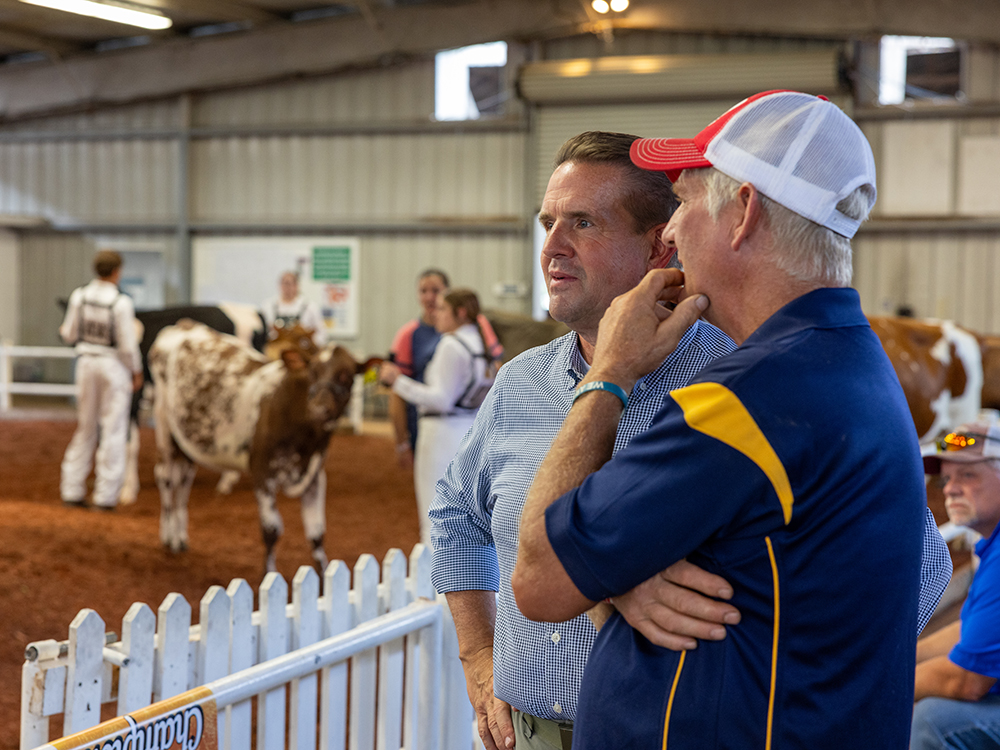
The Appalachian Regional Commission was formed in 1965 as part of a major federal effort to address persistent poverty in rural America, with West Virginia University serving as a research and implementation partner. WVU Extension became a key delivery system for federally supported programs in agriculture, education, nutrition and community development. WVU translated federal policy into direct, on-the-ground support for Appalachian communities and serves today as a model of university-led outreach.
Learn more
Stay Connected
X (formerly Twitter)
Facebook
YouTube
LinkedIn
RSS