
Impact of the IEP Designation
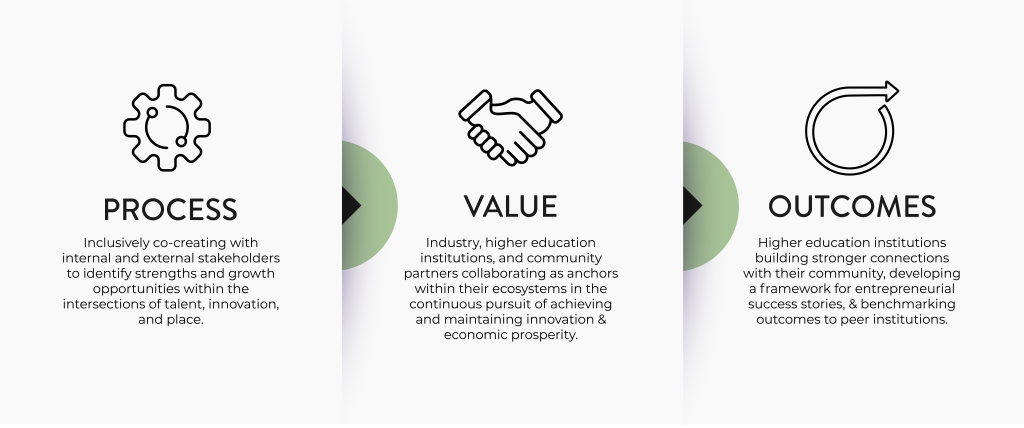
The IEP Program is an excellent way to elevate the visibility of an institution’s excellence in and commitment to regional economic and community development. However, a great value of the designation program lies in the process in which institutions earn the designation. Institutions engage on and off-campus stakeholders to collectively assess strengths and areas of needed improvement in how the university knows, measures, and tells its economic engagement impact. At the heart of the IEP Program is promoting institutional change to maximize the impact of research, learning, and engagement on the regional economy and society.
Testimonials of Impact
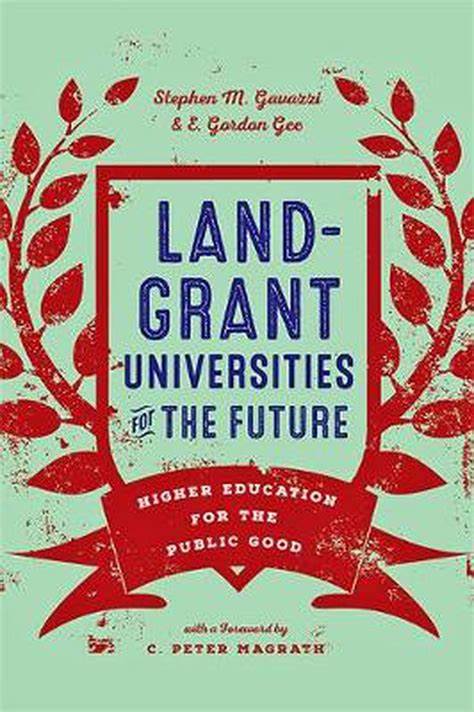
In their recent book, Land-Grant Universities for the Future (Johns Hopkins University Press), Gordon Gee, President of West Virginia University, and Stephen Gavazzi, Professor at The Ohio State University, described the IEP designation as having played a critical role in advancing our understanding of exactly how America’s public and land-grant universities continue to make significant intellectual and economic contributions to the well-being of our nation
Substantive Outcomes

Voluntary institutional change is central to the impact of the IEP Program. After acheiving the IEP designation, many institutions have implemented the frowth and improvement plans they identified as part of their application process. Campuses have restructured economic development unites, modified strategic plans, crerated or expanded on new events and public affairs efforts to tell the story of impact, and strengthened their opersations by implementing best practices. See a Forbes article covering the strategic impact of IEP designees in the COVID-19 era.
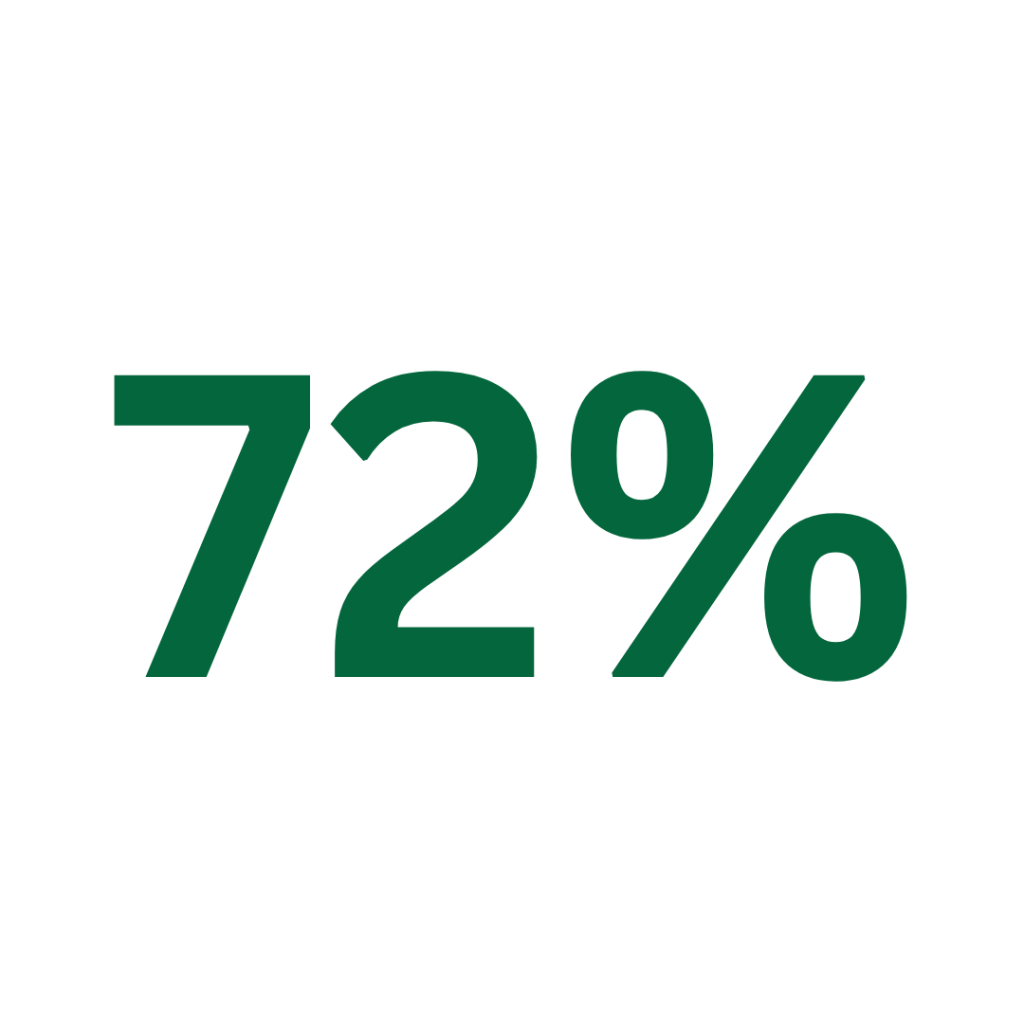
Time Well Invested
In a 2018 survey of IEP designees, 72 percent of institutions agreed r strongly agreed with the statement, “The designation has resulted in definable benefits to the university.” (14 percent felt they could not comment due to staff transitions from the point of earning the designation).
Value of Outputs
Recognizing the value of the IEP Program for studying best practices for university-based economic development, the U.S. National Science Foundation and the U.S. National Institute for Standards and Technology in the Department of Commerce have funded nearly $400,000 in research studies of IEP designees at the University of Central Florida and the University of Michigan. Further studies are currently being planned.

IEP Partners
Access for all: Responding to participation interest from non-APLU member institutions, APLU has expanded the IEP opportunity to non-member institutions through a partnership with the University Economic Development Association.

Deepening Campus and Community Connections: The International Town & Gown Association (ITGA) and APLU’s IEP program seek to be strategic in efforts to achieve mutual goals. The collaborative measures will contribute to the development of meaningful and sustainable partnerships, founded on the principles of quality engagement between universities, communities, philanthropies, government, and industry. These are key to maximizing the university’s positive economic and societal impact.

IEP Collaborating Projects
Conversations for Colleges and Universities in Building Ecosystems (C-CUBE): APLU is collaborating with the University of Wisconsin-Oshkosh and Venn Collaborative on an 18-month, Ewing Marion Kauffman Foundation-funded project to develop an open-source digital toolkit for higher education entrepreneurship. The toolkit will include examples and best practices in university-based and entrepreneur-led economic development and partnership building.
Featured Project & Initiative

Stay Connected
X (formerly Twitter)
Facebook
YouTube
LinkedIn
RSS